The Symbol of SNCTM and Its Impact on Damon Lawner’s Life
Authors of the article: Eugene Oreshko
Reading Time: 7 minutes
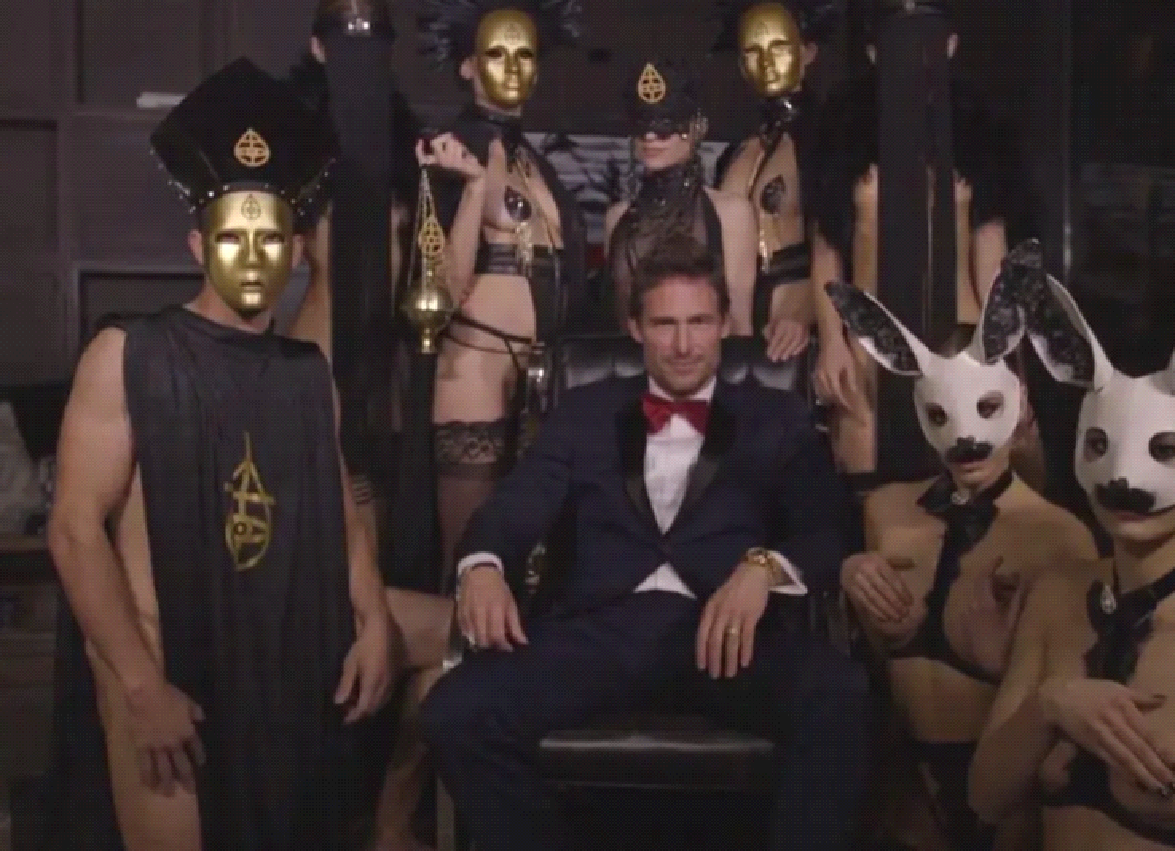
Damon Lawner is the founder of the exclusive sex club SNCTM, which he managed for almost ten years starting in 2013. During that time, he created a unique image for the club, combining luxury, sensuality, and philosophical symbolism. One of the club’s key symbols became the SNCTM emblem—a design Lawner conceived during a moment of despair after his family had gone to sleep. This emblem features a cross, an all-seeing eye, and a drop, each element carrying deep philosophical and mythological meaning.
SNCTM Symbolism: The Cross, the Eye, and the Drop
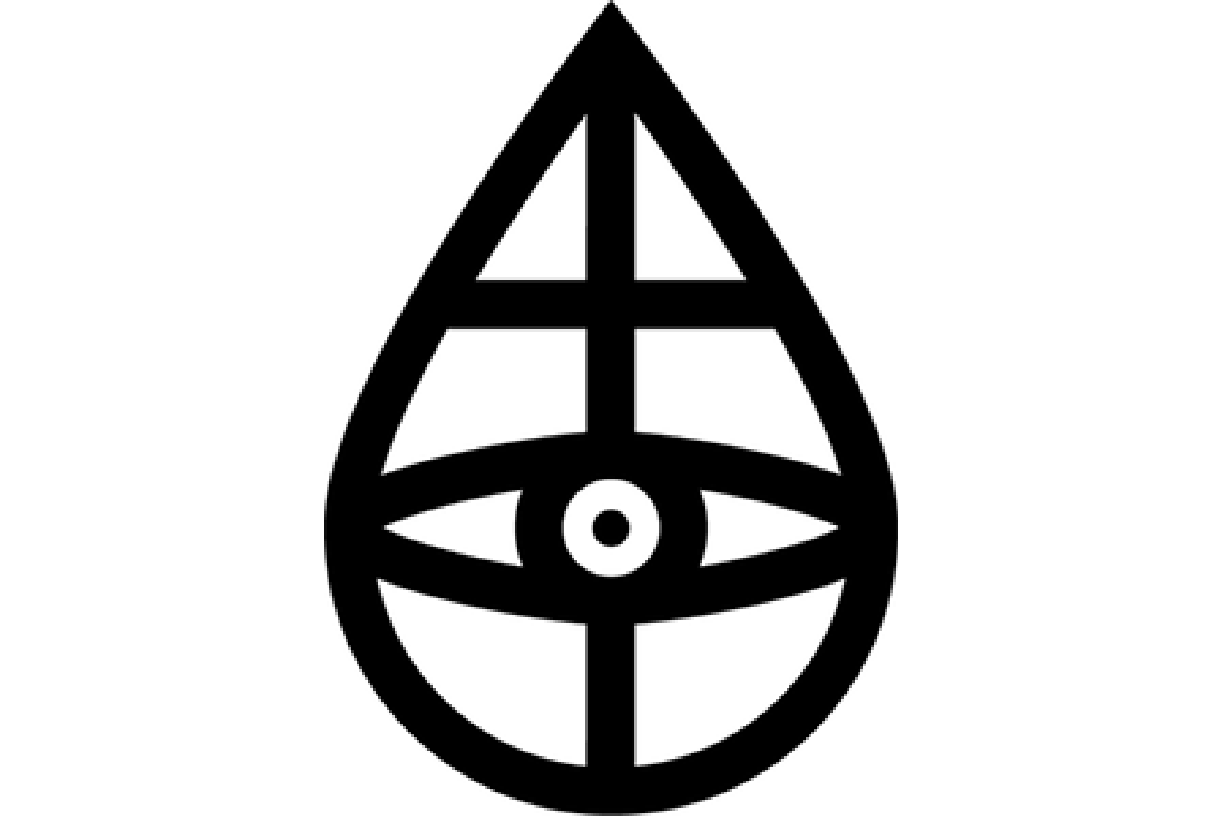
The Cross — A Symbol of Faith and Redemption
The cross holds significance in various religious and philosophical systems. In Christianity, it represents salvation through the crucifixion of Jesus Christ, cleansing humanity of sin. However, in the context of SNCTM’s symbolism, the cross not only reflects religious motifs but also serves as a sign of faith, spiritual exploration, and philosophical contemplation of personal limitations.
- Religious meaning: A symbol of faith and courageous endurance.
- Philosophical depth: Redemption through suffering and purification.
- Personal interpretation: In club culture, the cross can symbolize the search for personal truth and freedom.
The All-Seeing Eye — A Symbol of Knowledge and Observation
The eye within a triangle appears in various religious and philosophical traditions, from ancient Egypt to Freemasonry. In ancient Greek mythology, Horus’ eye symbolized power and control; in Christianity and Masonic teachings, it represented the omnipresence of God.
- Egyptian context: Symbol of the all-seeing god Horus.
- Masonic context: In Christian and Masonic traditions, the eye symbolizes God’s omniscience.
- Philosophical perspective: In SNCTM’s context, the eye may embody the idea of absolute knowledge and control over personal experiences.
The Drop — A Symbol of Life and Suffering
The drop originally symbolized a life-giving element. In myths, it is often associated with pain, sorrow, and loss, but it also represents renewal and healing. SNCTM uses this symbol to emphasize the contrast between sensual pleasure and inner purification.
- Symbol of suffering: The drop represents grief and the pain of loss.
- Symbol of life: The drop also associates with life force and renewal.
- Personal meaning: In the club’s philosophy, the drop can be interpreted as a metaphor for internal transformations.
Mythology and Archetypes in SNCTM’s Philosophy
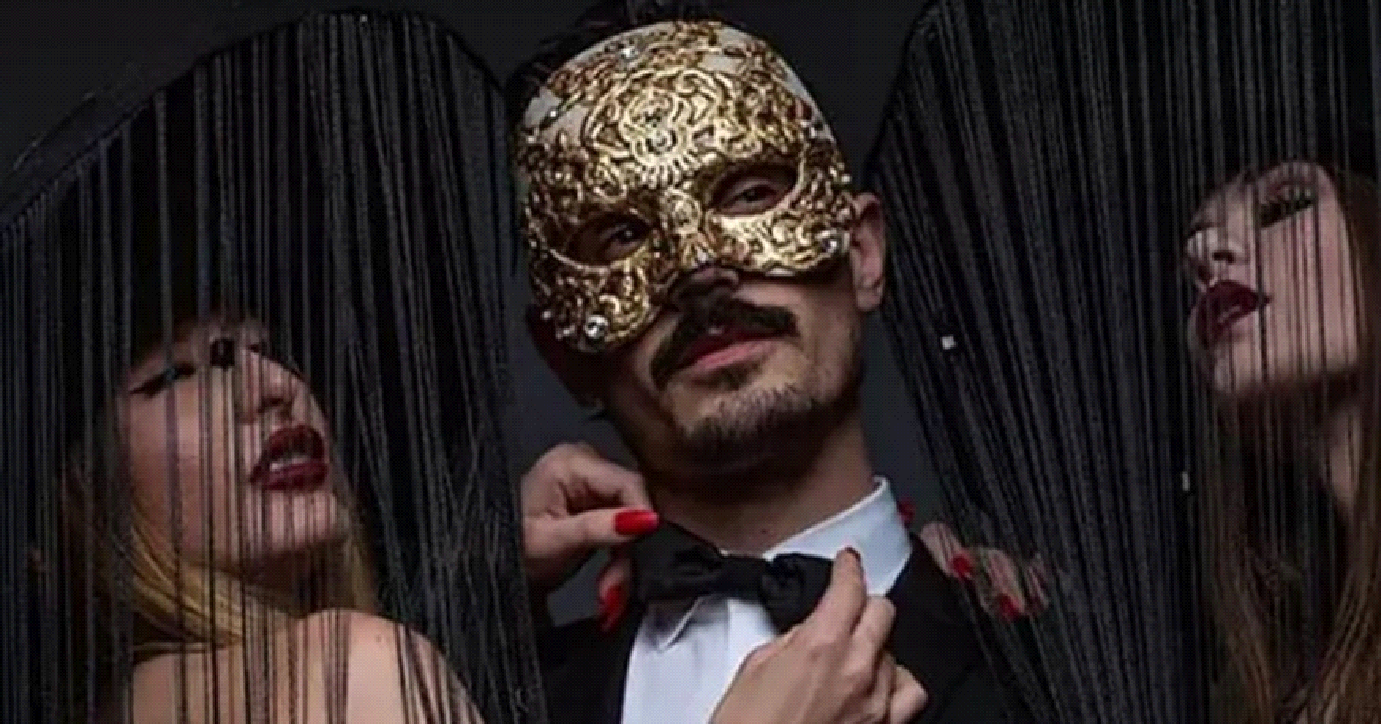
The Mask — A Symbol of Concealment and Transformation
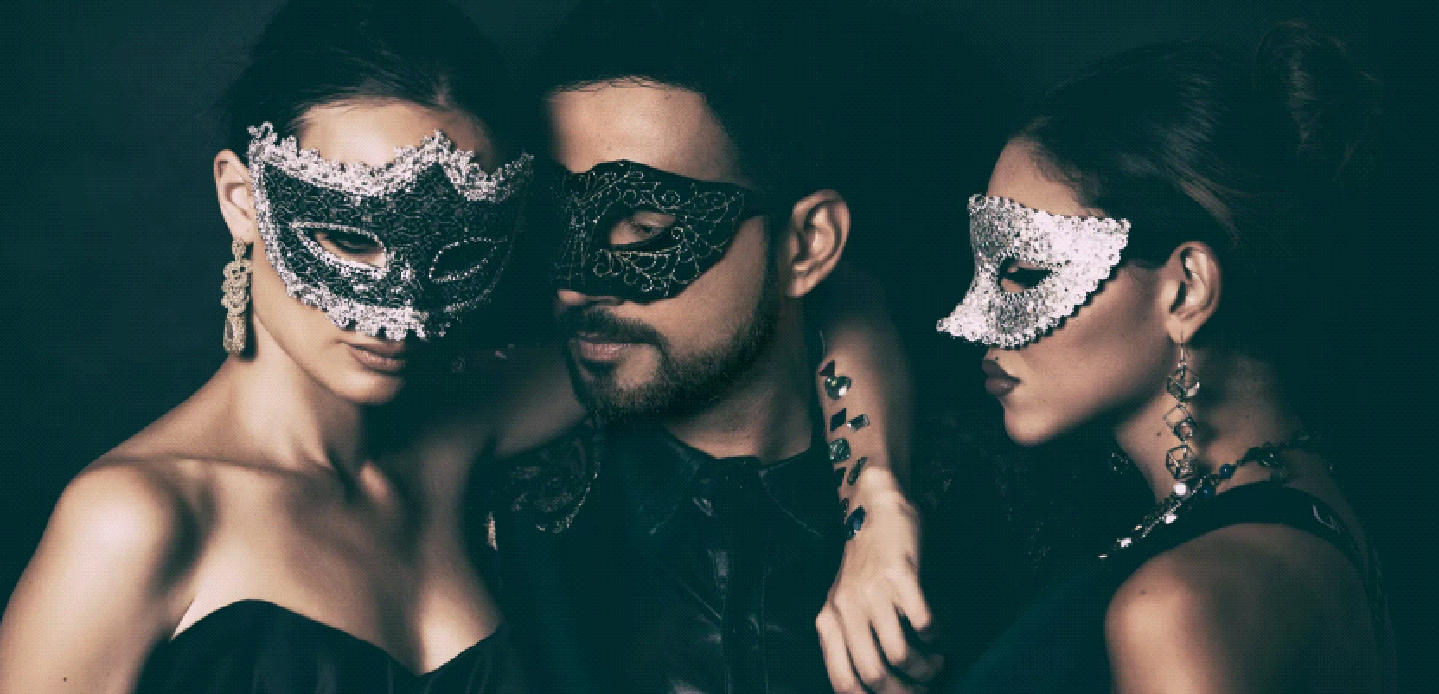
The mask has long been associated with ancient cultural rituals. It symbolizes hidden identity and the possibility of revealing another side of oneself.
- Secret societies: Masks in Freemasonry and other groups created anonymity.
- Psychological aspect: The mask offers a chance to hide one’s true self and transform into a new persona.
- Mythological meaning: The mask serves as a symbol of transition to another state or transformation.
Eros and Dionysus — Gods of Love and Ecstasy
Myths of Eros (love) and Dionysus (pleasure and ecstasy) form the foundation of SNCTM’s philosophy, creating an atmosphere of sensuality and liberation.
- Eros: The god of love, passion, and the eternal pursuit of pleasure.
- Dionysus: The god of wine and ecstasy, symbolizing freedom from social norms.
- Mythological context: Dionysian mysteries as a symbol of liberation and sensual enjoyment.
The Archetype of Paradise or Utopia
The idea of a utopian space where people are free from prohibitions and moral norms is a key element of the club’s philosophy.
- Eden and Elysium: Paradises symbolizing harmony and enjoyment.
- Ideal society: A place where instincts and desires are freely expressed.
- Philosophical context: SNCTM as a metaphorical “paradise” free from social constraints.
Rituals and Sacred Space
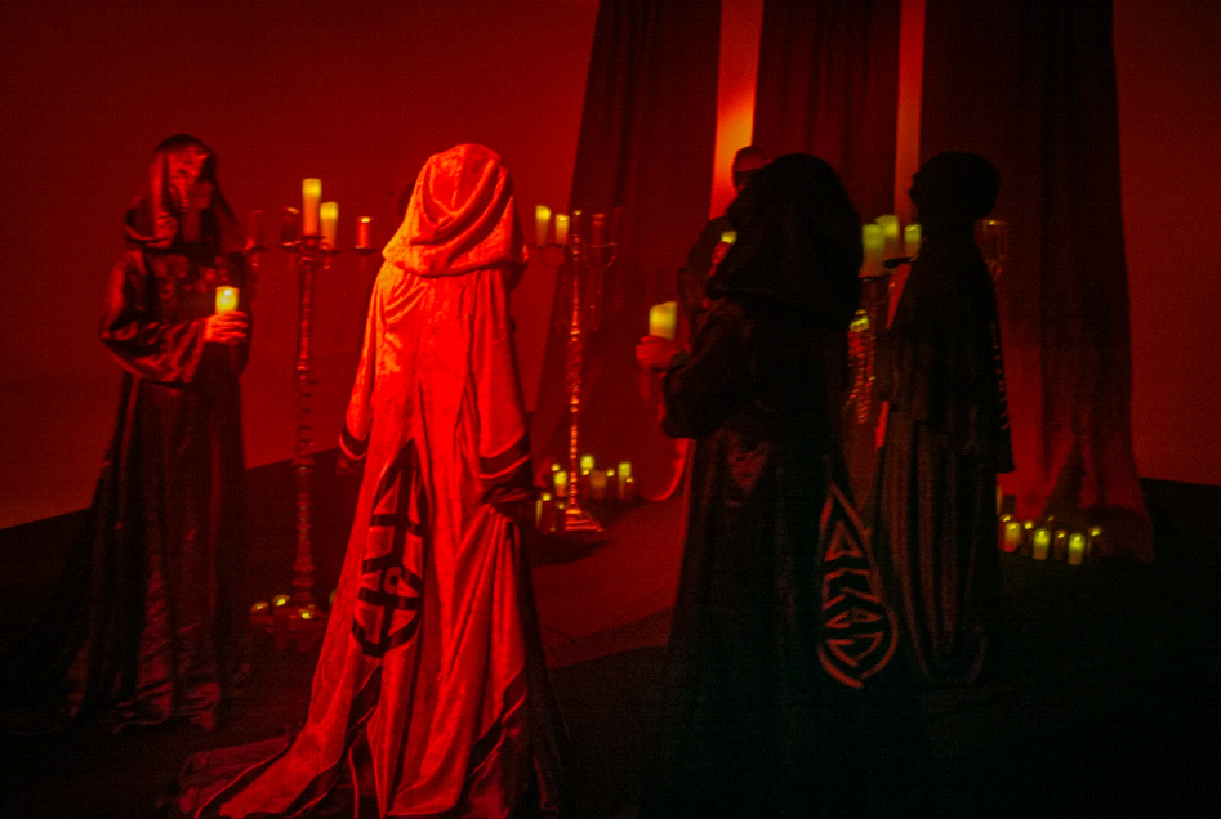
Ritual Space — A Place for Spiritual Liberation
Rituals and sacred spaces have always played a central role in ancient cultures, where temples and sanctuaries served as sites for divine communication.
- Ritual as transition: Rituals in ancient cultures represented a shift from mundane life to the sacred.
- Sacred space: At SNCTM, ritual elements create an atmosphere where sensual pleasures become sacred.
Philosophical meaning: Transformation through experience, moving from the ordinary to a higher state.
Freemasonry and Illuminati: Symbolism and Hidden Connections
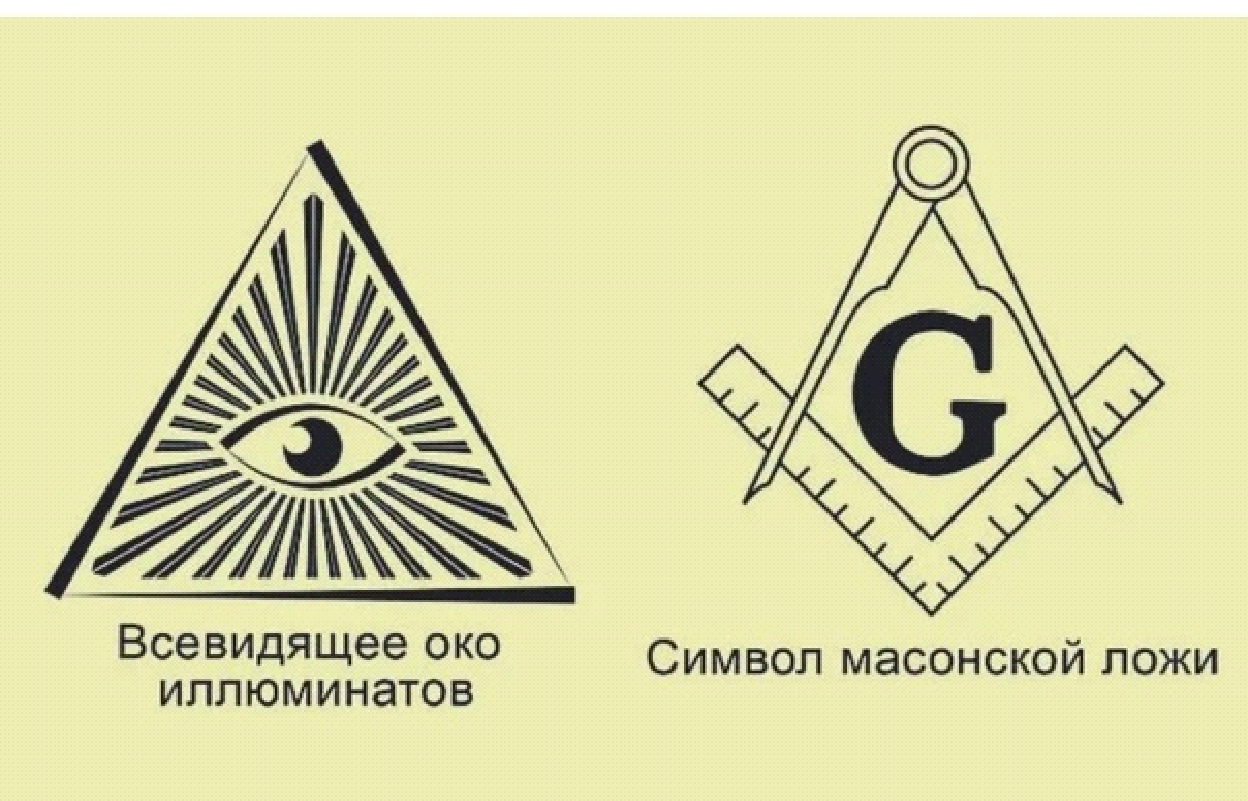
Freemasonry — Ancient Rituals and Symbols
Freemasonry is known for its secretive rituals and a philosophy centered on esoteric knowledge and elevated spiritual understanding.
- Masonic symbolism: The all-seeing eye, triangles, and sacred knowledge.
- Masonic rituals: A connection to transitioning to a higher level of consciousness.
- Philosophy of Freemasonry: The quest for understanding and interpreting the universe through symbols and ceremonies.
The Illuminati — Hidden Forces and Subtle Manipulations
The Illuminati, although debunked as a conspiracy theory, remain a significant part of mythology about hidden powers that influence the world.
- Illuminati symbolism: The all-seeing eye, pyramid, and covert influence.
- Conspiracy theories: The Illuminati as a group controlling global processes.
Philosophy of the Illuminati: The notion of hidden knowledge and elitism.
The Philosophy of Hedonism and Aestheticism: Pursuing Pleasure as the Ultimate Goal
Hedonism and Pleasure as Life’s Meaning
Hedonism, a philosophy based on seeking pleasure and enjoyment as life’s ultimate goal, closely aligns with SNCTM’s core ideas. For the club, pleasure is not just physical or fleeting sensual gratification. It becomes a vital tool for self-discovery and achieving higher aims—breaking social barriers, enjoying the process of existence, and expressing personal freedom.
- Epicurean philosophy: Epicureans believed that true happiness came from finding pleasure—not in its short-term form, but in the ability to enjoy simple and profound joys, seek harmony, and attain inner peace. SNCTM employs hedonism as a philosophical tool to reach states of exaltation and enlightenment through sensual perception.
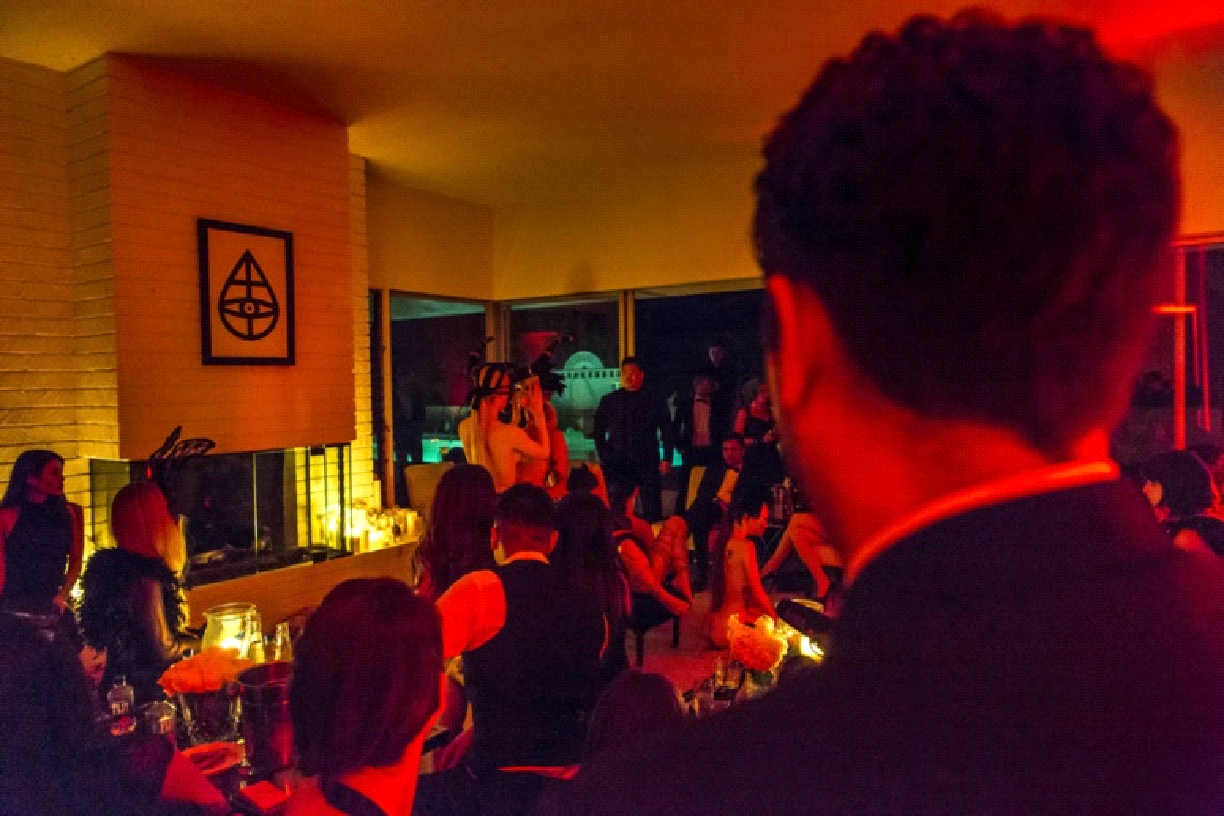
Aesthetics and beauty as a higher goal: The club’s space is filled with aesthetic experiences—from carefully designed interiors to thoughtfully curated music and lighting. In the club’s philosophy, beauty and aesthetics are not only visual pleasures but also a way to elevate the spirit, experience art, and reach higher states of consciousness.
Transgression and Nietzscheanism: Overcoming Social Norms
Nietzschean Philosophy
Friedrich Nietzsche’s philosophy significantly influenced SNCTM’s concept. The idea of overcoming traditional moral norms and seeking individual truth through personal freedom formed the foundation of creating a space where participants could break social barriers and express their desires without judgment.
Overcoming traditional norms: Nietzsche argued that true freedom comes when one realizes their ability to create their own values, independent of societal and religious restrictions. At SNCTM, participants have the opportunity to go beyond traditional moral standards, explore their sexuality and personal boundaries, break taboos, and fully embrace themselves.
Conclusion: Symbolism as a Path to Personal Transformation
For Damon Lawner, creating SNCTM’s emblem was not just an act of artistic expression but a way to reflect on the deeper aspects of human nature: its passions, aspirations, and philosophical pursuits. The symbols of the cross, the all-seeing eye, and the drop gained a significance where religion, mythology, and sensual experience intertwine.
For Lawner, SNCTM became more than a business—it transformed into a space for philosophical reflection and exploration, where physical pleasure blends with spiritual seeking. For participants, the club became not only a means of escaping norms but also an opportunity to rethink themselves, discover new meanings. The symbols and interior details help in self-understanding, uniting the physical and the spiritual.
SNCTM’s impact on Lawner illustrates an existential quest where sensuality, philosophy, and mythology lead to personal truth and freedom. Despite the club’s reputation as a symbol of luxury, it continues to inspire those willing to transcend habitual boundaries and limitations.
18+ | This website is intended for adults only.
Not for minors.