“Secrets of Hawaiian Orgies”
Authors of the article: Фаянс Яков Евгеньевич
Reading Time: 10 minutes
Sexuality and Orgy in Ancient Hawaii: Mythology, Customs and Rituals
In ancient Hawaii, sexuality not only occupied an important place in society; it was woven into the very fabric of culture, mythology and ritual. This article explores how eroticism and rituals related to sexuality shaped the daily lives of Hawaiians, how they viewed orgasm and pleasure, and how mythology personified their ideas about love and sexual relationships.
Sex education: from children to masters of love
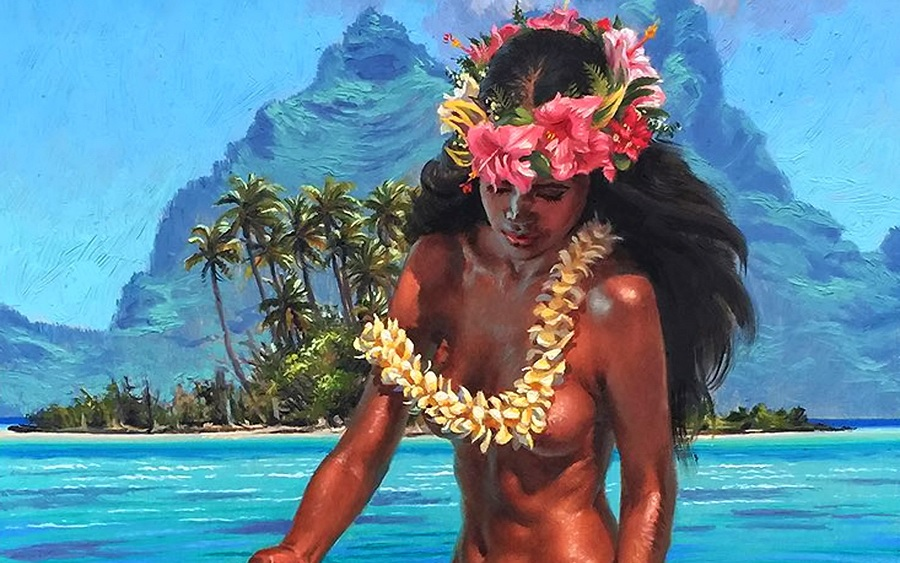
In Hawaii, sex education began at a young age, teaching children skills that would make them excellent lovers. Training was often conducted by grandparents, who shared not only practical knowledge, but also a philosophy of love. Young Hawaiians learned to enjoy intimate relationships, which included not only physical intimacy, but also an emotional connection with a partner.
In ancient times in Hawaii, children from infancy began to be prepared for subsequent sexual activity. Milton Diamond’s Ph.D. article Sexual Behavior in Pre-Contact Hawaii: A Sexological Ethnography describes the everyday rituals of preparing the genitals of children of both sexes.
Girls had breast milk rubbed into their vaginas and candlenut oil into their vulva. The action was carried out by the closest relatives – mother or aunt, sometimes grandmother. Also grandmother answered for deflowering, this was done so that girls would not experience pain during first sex, and men would not be exposed to blood, which was considered filled with magic.
As soon as the children became more or less adults, they calmly began to have sex both with each other and with older partners. Moreover, foreplay was not particularly welcomed: the couple, as soon as they met, almost immediately began sex, while the partners’ skills were most often great enough to achieve orgasm together.
But the most extravagant actions were applied to penises. From birth, the same mothers, aunts or grandmothers took it into their mouths and blew air into it. According to the Hawaiians, this ensured that the foreskin was separated from the glans and there were no big problems with subsequent circumcision, and the boy became a healthy and strong lover.
A similar action was carried out daily until the boy began to urinate on his own while standing, after which he continued every three days until, at the age of six or seven, a special kahuna priest performed circumcision.
Information was taken from the site: https://disgustingmen.com/history/hawaii-sex-life/?ysclid=m1g7i3um3r212696366
Eoral education was an important part of their preparation for adulthood, and negative characteristics such as selfishness in bed were frowned upon. Sexual relationships were an integral part of social life, and those who were skilled in love affairs were admired and respected in society.
Mythology and Erotica: Open Relationships and Spouse Exchange
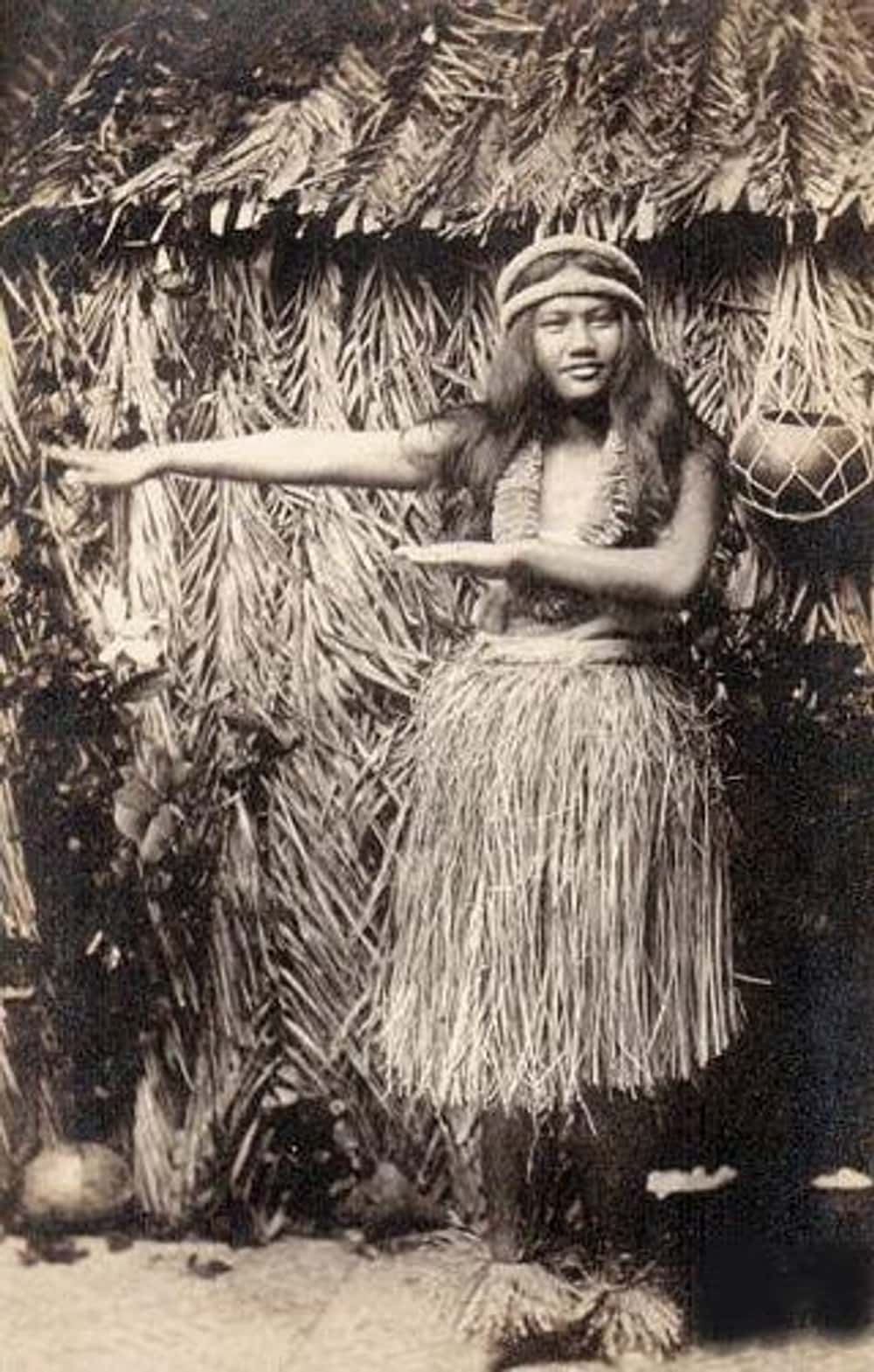
The custom of spouse exchange, known as ‘Ume, was a popular pastime in ancient Hawaii. During this game couples would sit on the ground and a man with a wand decorated with bird feathers would randomly touch the two and they would go into the room to have sex.
The choice of partner was random and the participants did not experience jealousy, since everyone knew about this practice and accepted it as the norm.
The mythology of ancient Hawaii is deeply intertwined with eroticism. Gods and goddesses such as Loa and Hina represented various aspects of sexuality and love. Loa, a deity symbolizing fertility and vitality, was associated with rituals that celebrated sexual activity and connection with nature.
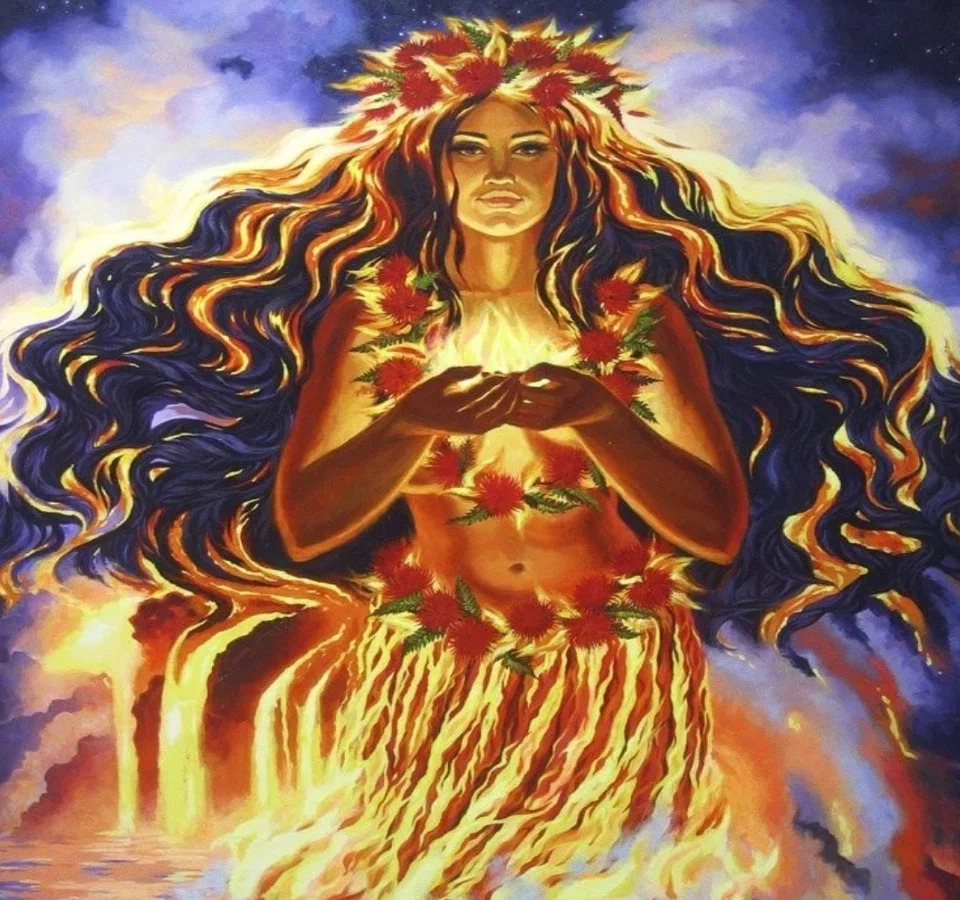
Another important aspect of the mythology was the story of Pele, the goddess of volcanoes and passion. Pele, known for her love affairs, symbolized not only physical strength, but also emotional will. Her legends are filled with erotic images that speak of passion, jealousy and the struggle for love. This divine figure inspired people to embrace their sexuality and express it in their relationships.
The Hawaiian language also reflected sexuality in its expressions. For example, phrases describing amorous movements, flirting, and intimate acts were commonplace, and their use was not perceived as obscene. This emphasized that in Hawaii sexuality was the norm and not something hidden.
Amiami or kuamiami – movement of the pelvis and hips during sexual intercourse, as well as the hula step
‘Amo or ‘amo’amo – Contraction of the anal muscles, anus, vagina
Ho’ohailua – Flirt
Ho’olaulahuaca – Slow rhythmic movements in a tight overlapping embrace
Ho’onipo – Slow, swinging love movements
Ho’opi’i – Take a dominant position at the top
Pi au ou, poalo, kialo – Female masturbation, words that mean “rubbing”, “digging” or “crushing”.
Pikoikoi – Male masturbation with ejaculation
Le’a or Le’ale’a – Orgasm, joy
Also location designation:
beach on the island of Oahu Ulehawa (“Dirty Penis”)
coastal area on the island of Maui – Lahoole (“Without a scrotum”)
A river in Hawaii called Koheanu (“Cold Vagina”)
Conclusion:
With the arrival of European missionaries and colonizers, Hawaiian culture underwent significant changes. New moral standards based on Christianity brought with them condemnation of sexuality, adultery and sin, which caused the suppression of traditional practices. Many aspects of culture that were previously perceived as natural and acceptable have come to be considered unacceptable, and this has had a negative impact on social life.
The condemnation of sexual practices and the suppression of traditional customs have led to a loss of cultural identity and changing social norms. The process became painful and complex, but the legacy of the ancient Hawaiians continues to inspire the modern understanding of love and sexuality as a natural part of human existence.
Sources:
“Hawaiian Language and Culture”
“The Hawaiian Language”
Site: https://disgustingmen.com/history/hawaii-sex-life/?ysclid=m1g7i3um3r212696366
18+ | This website is intended for adults only.
Not for minors.