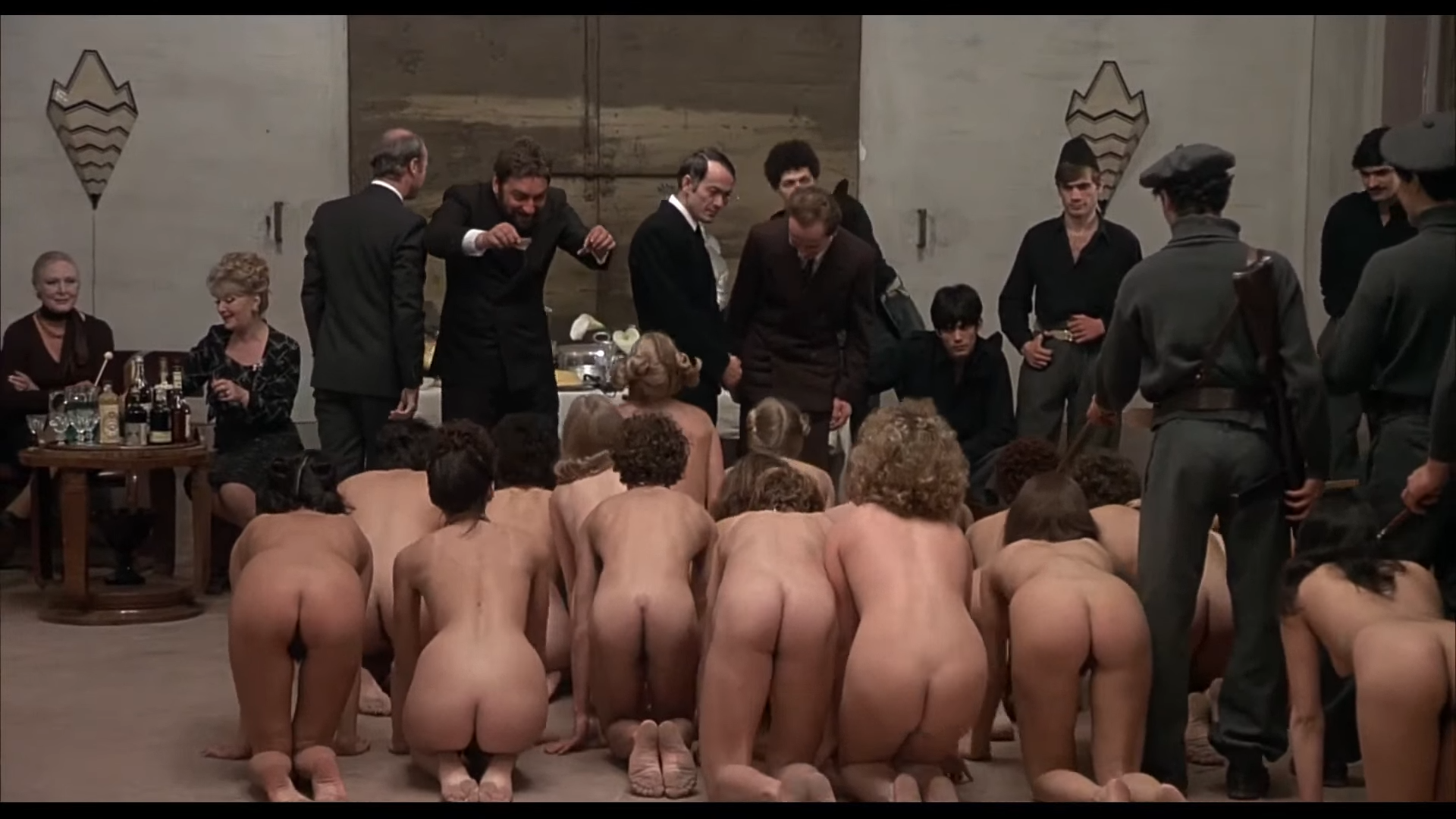
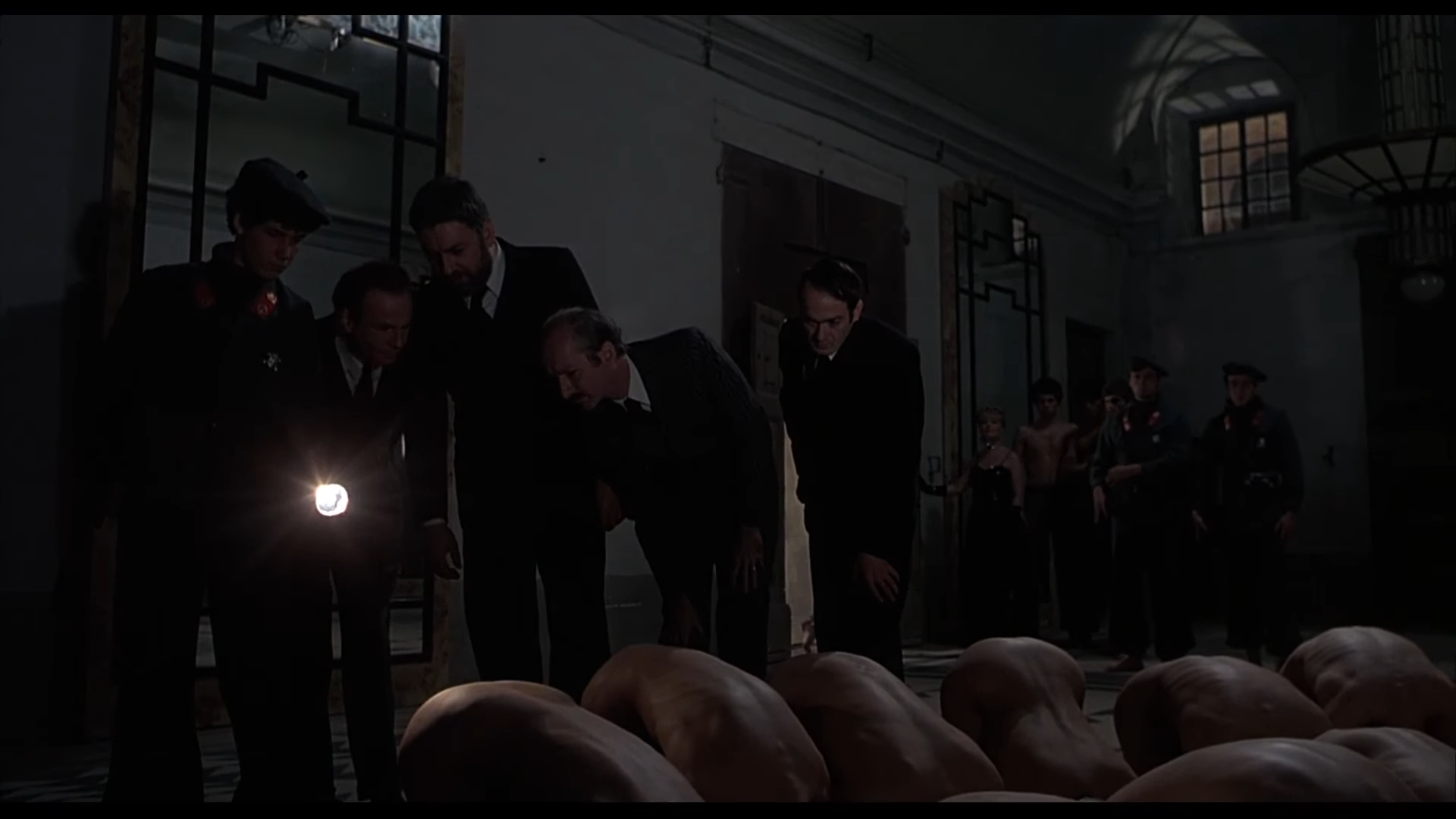
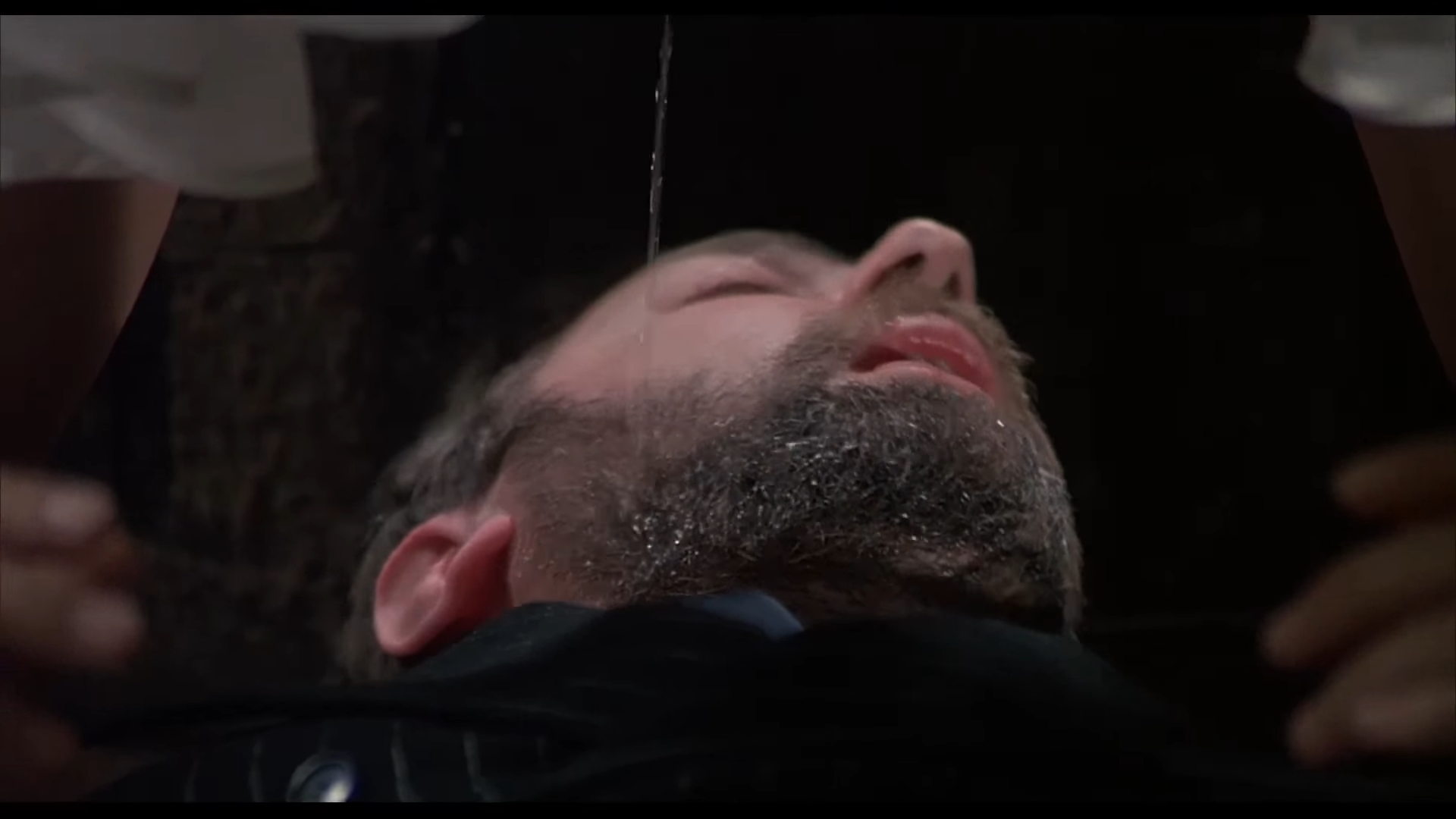
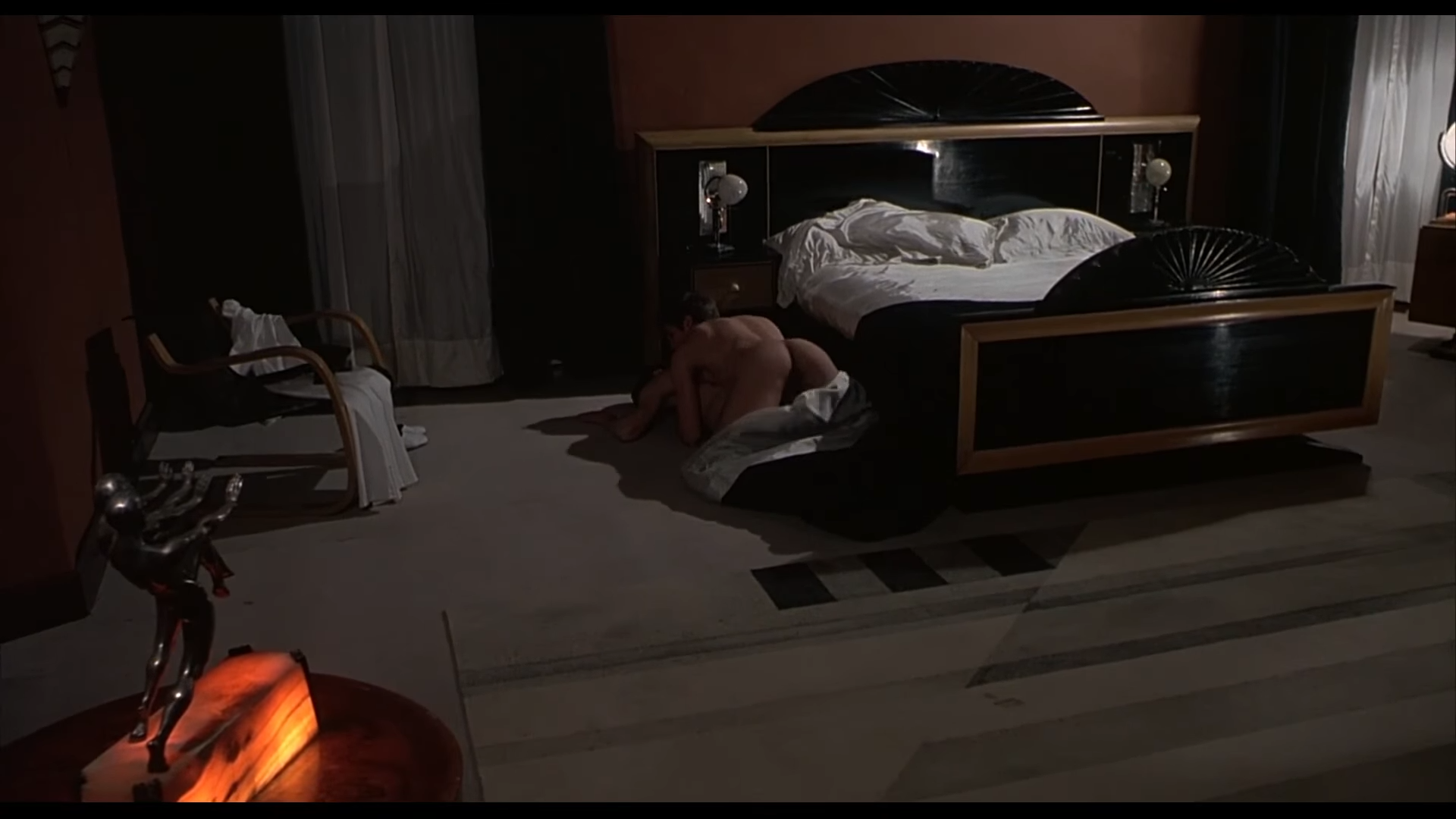
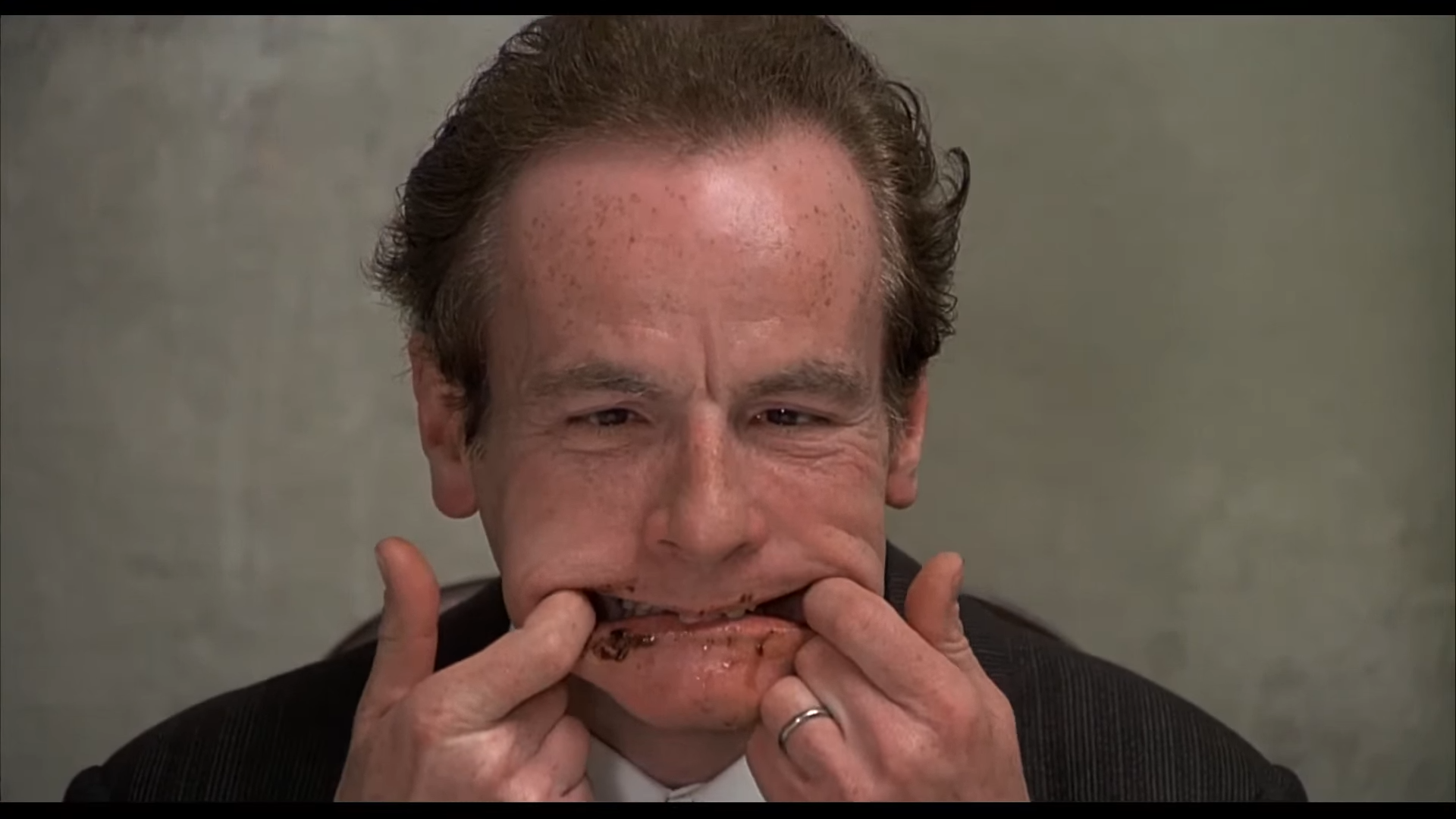
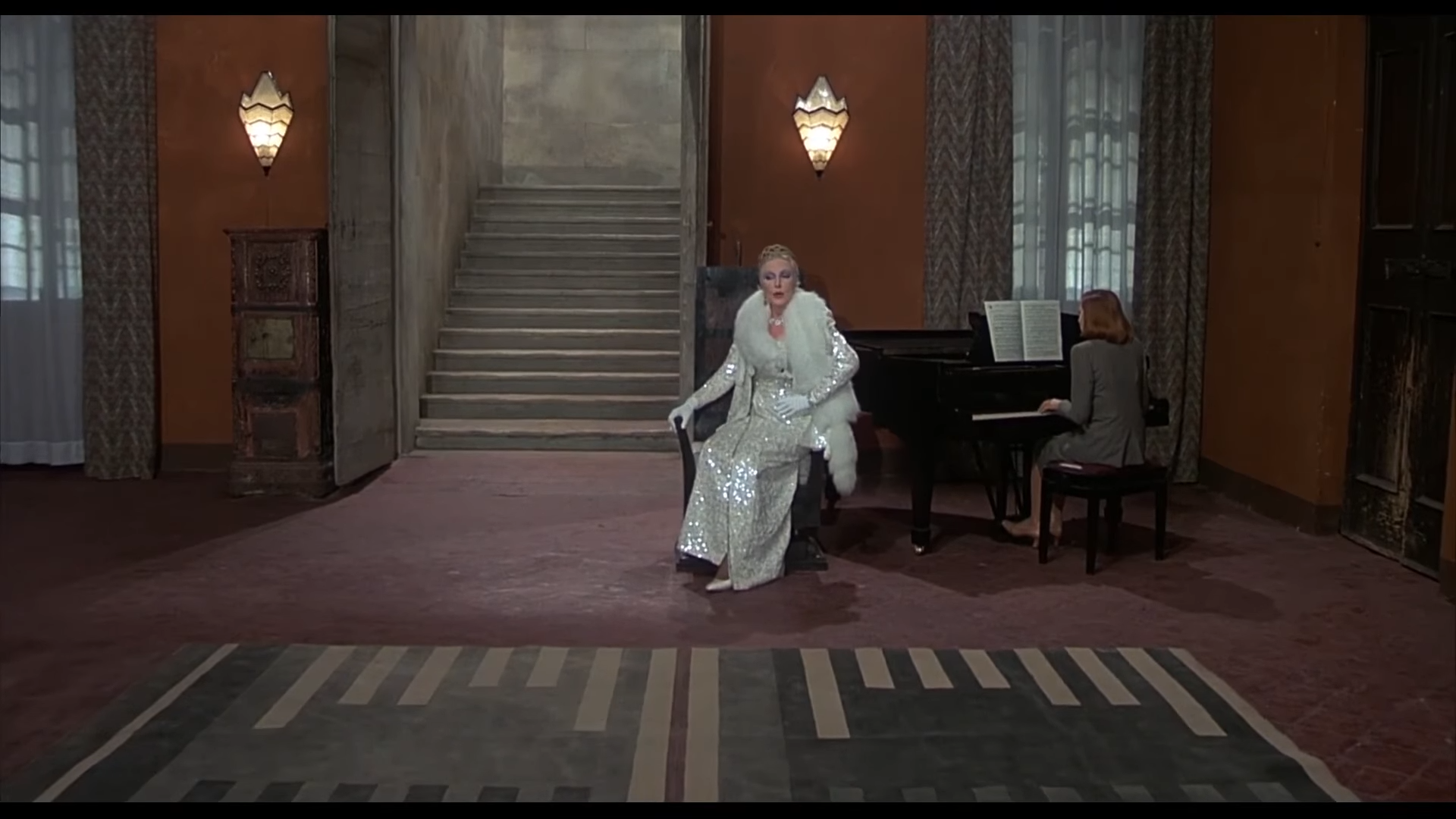
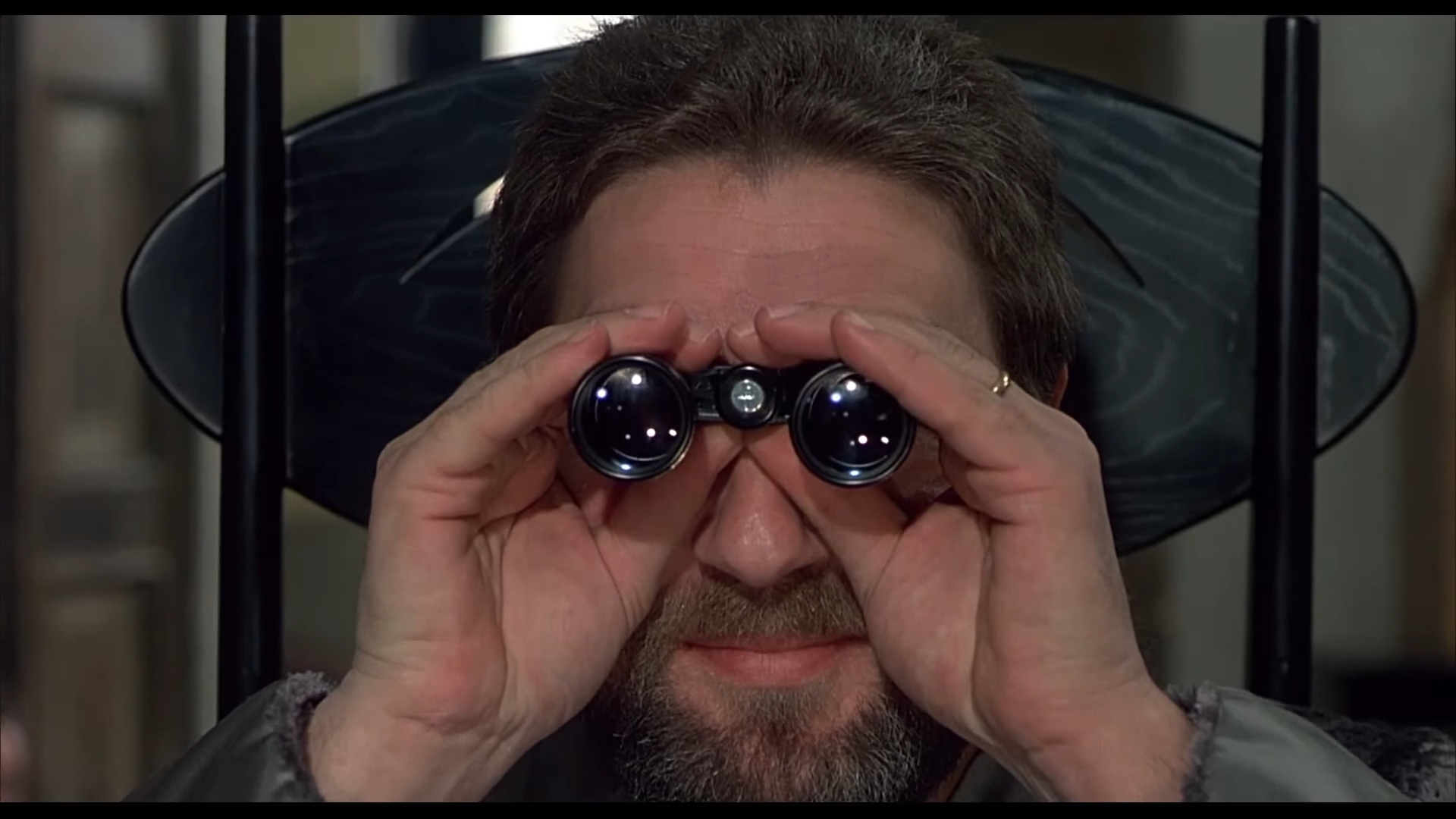
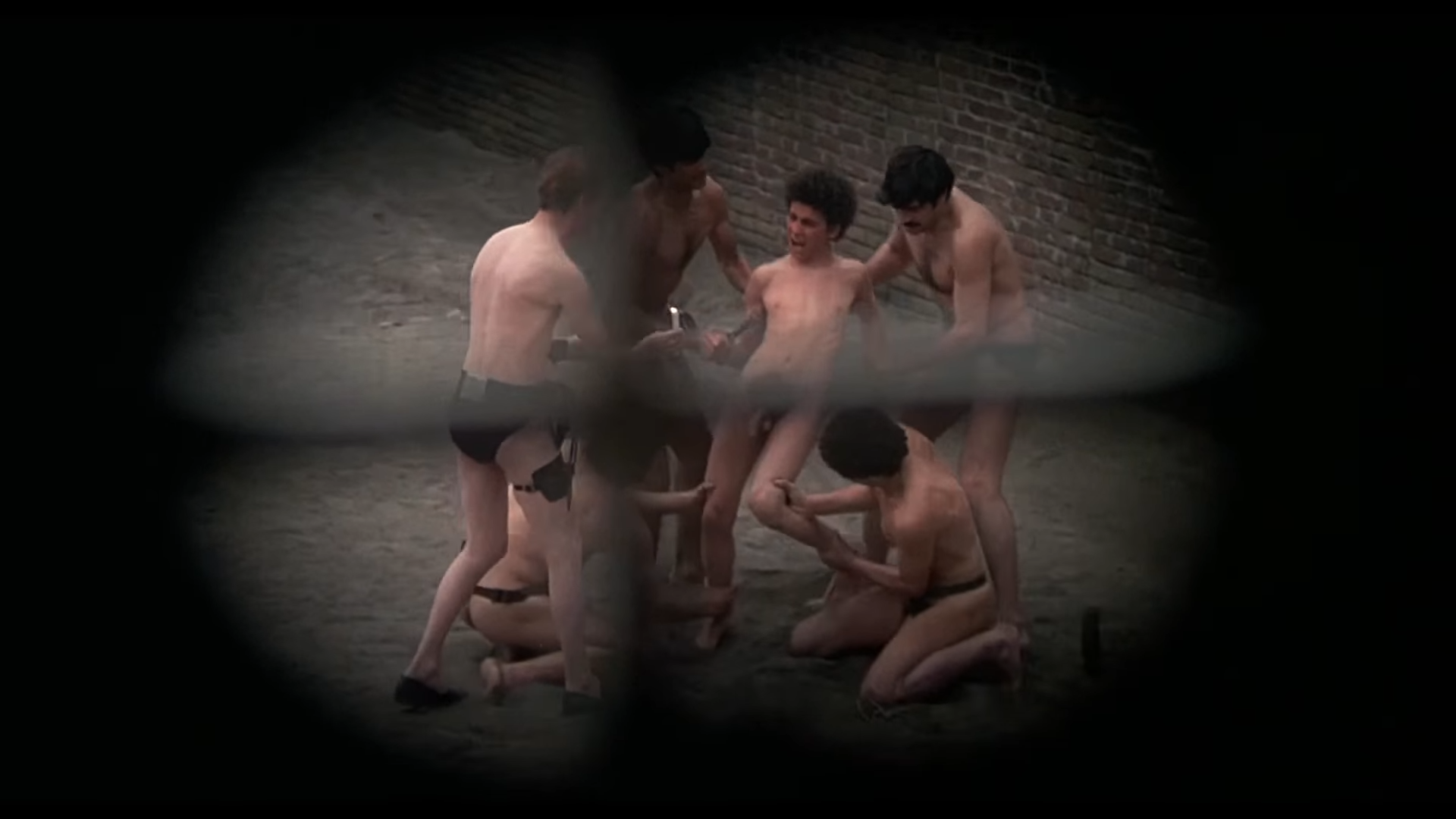
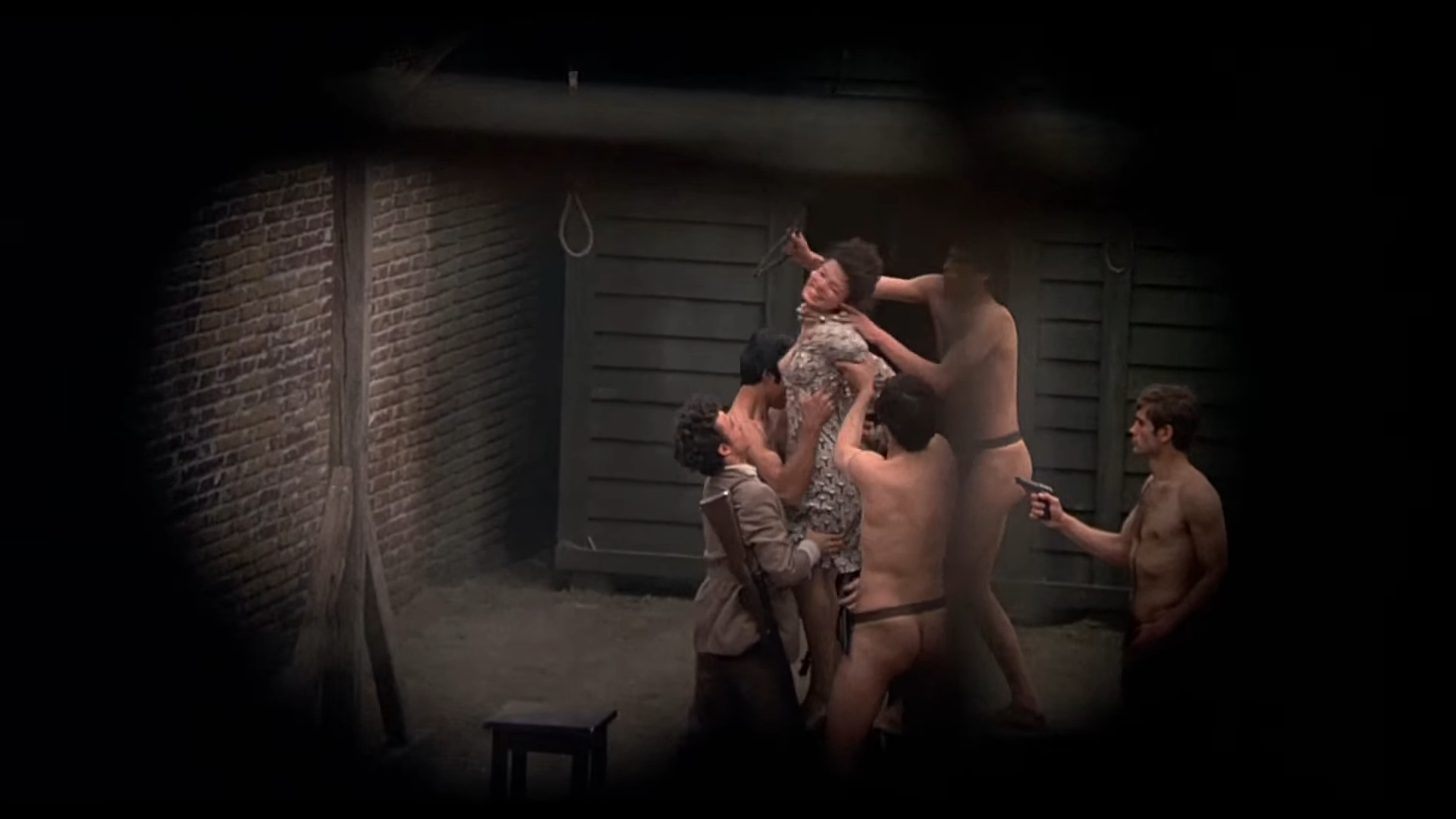
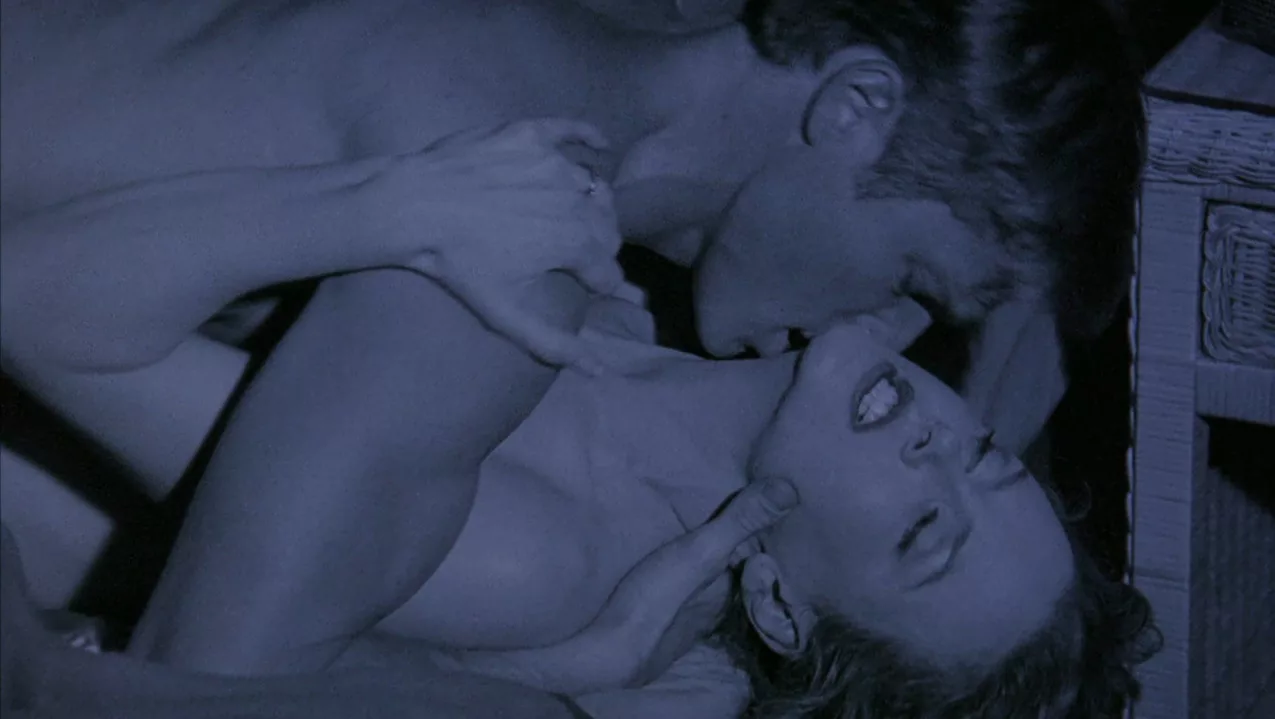
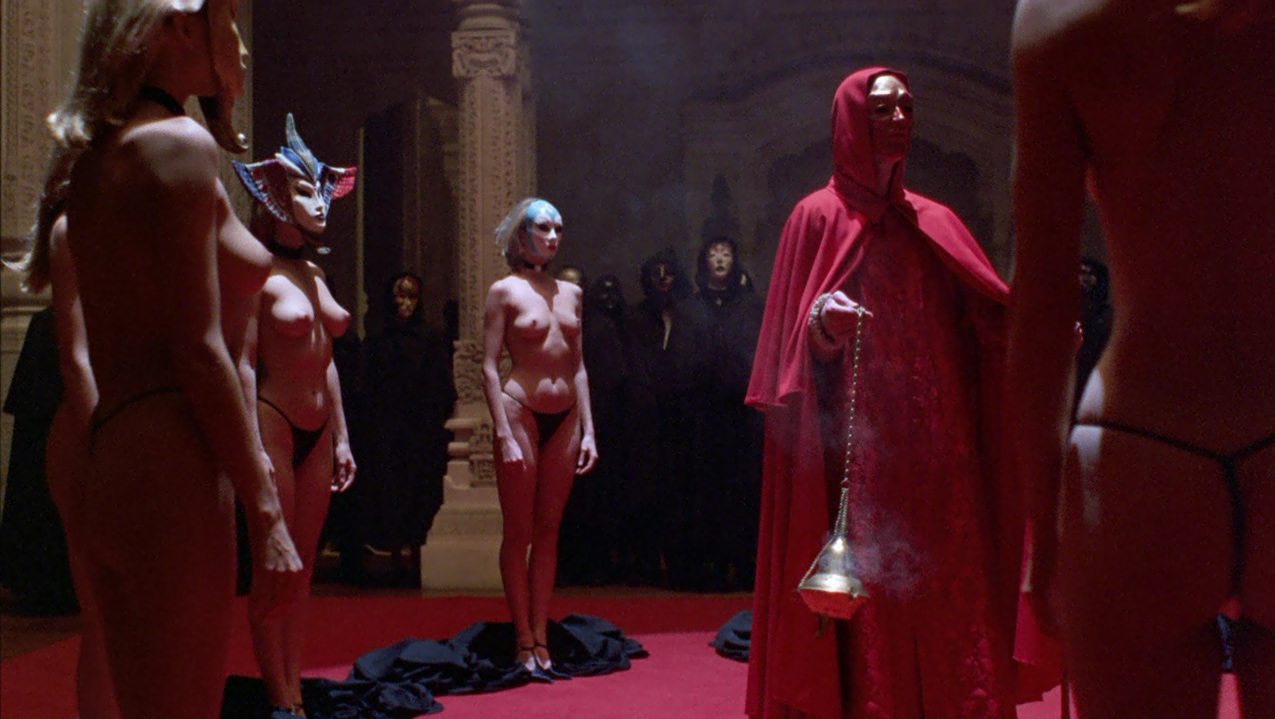
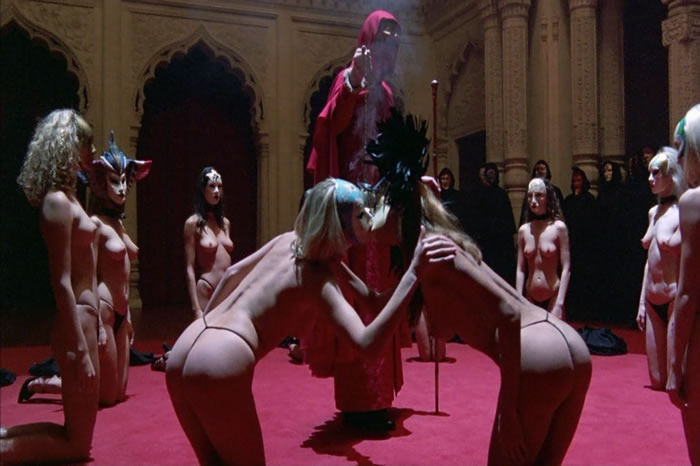
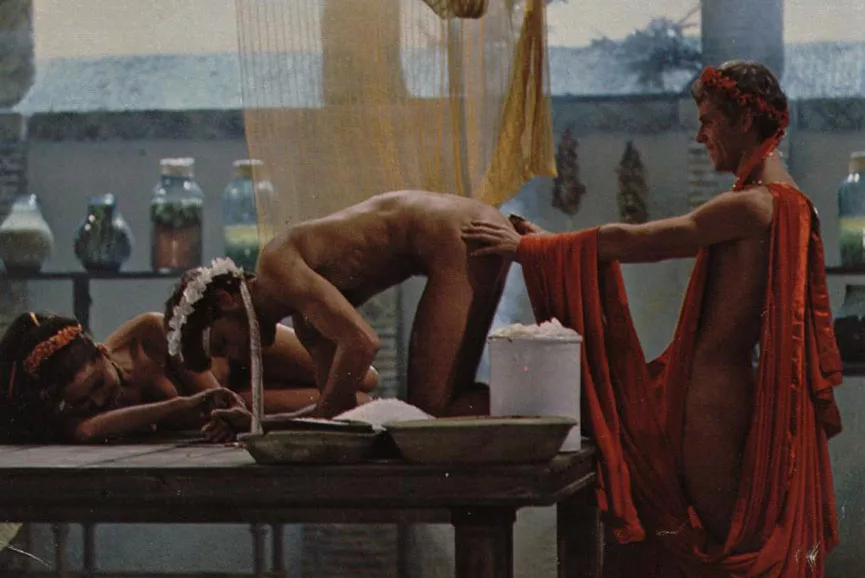
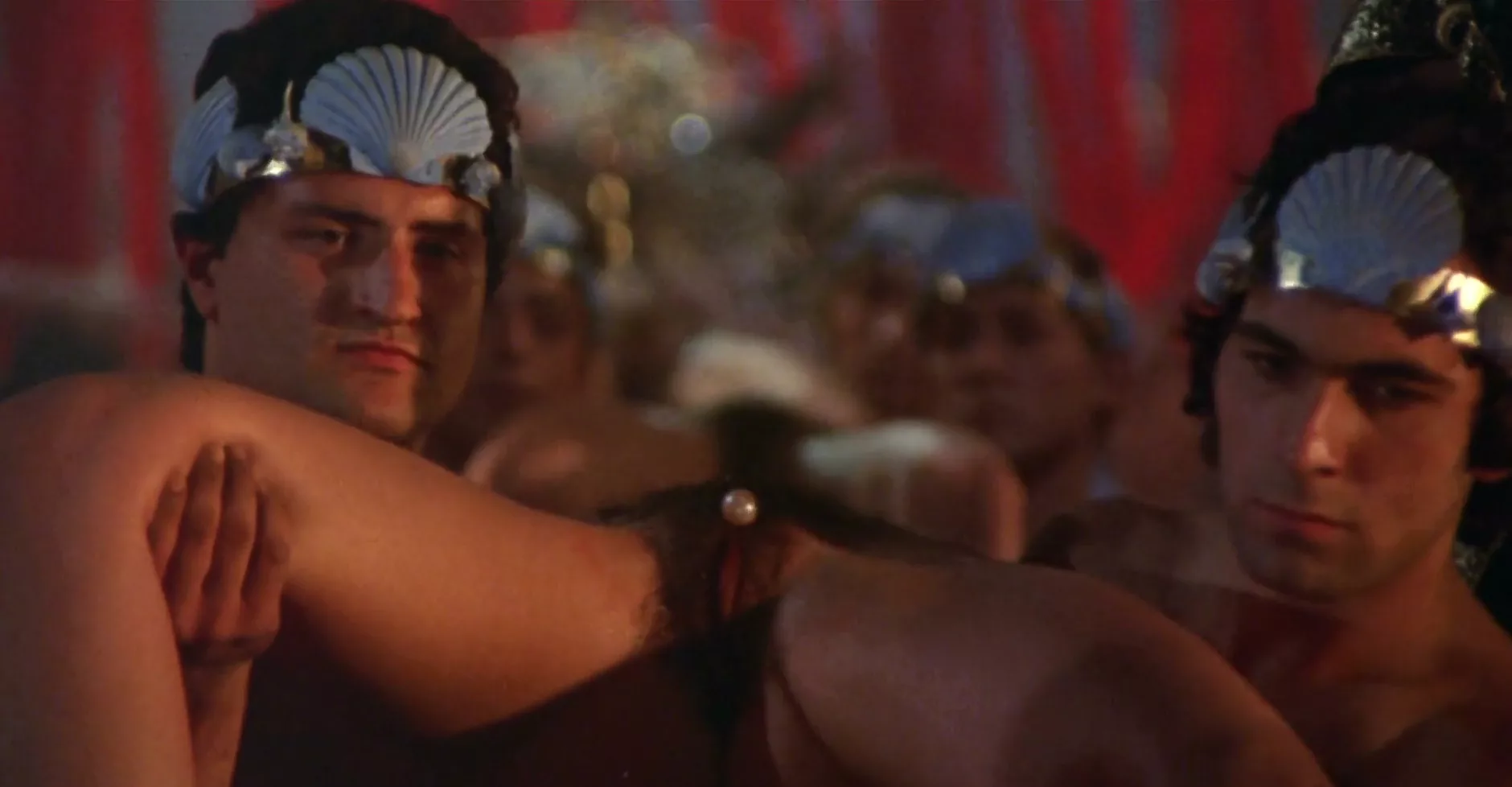
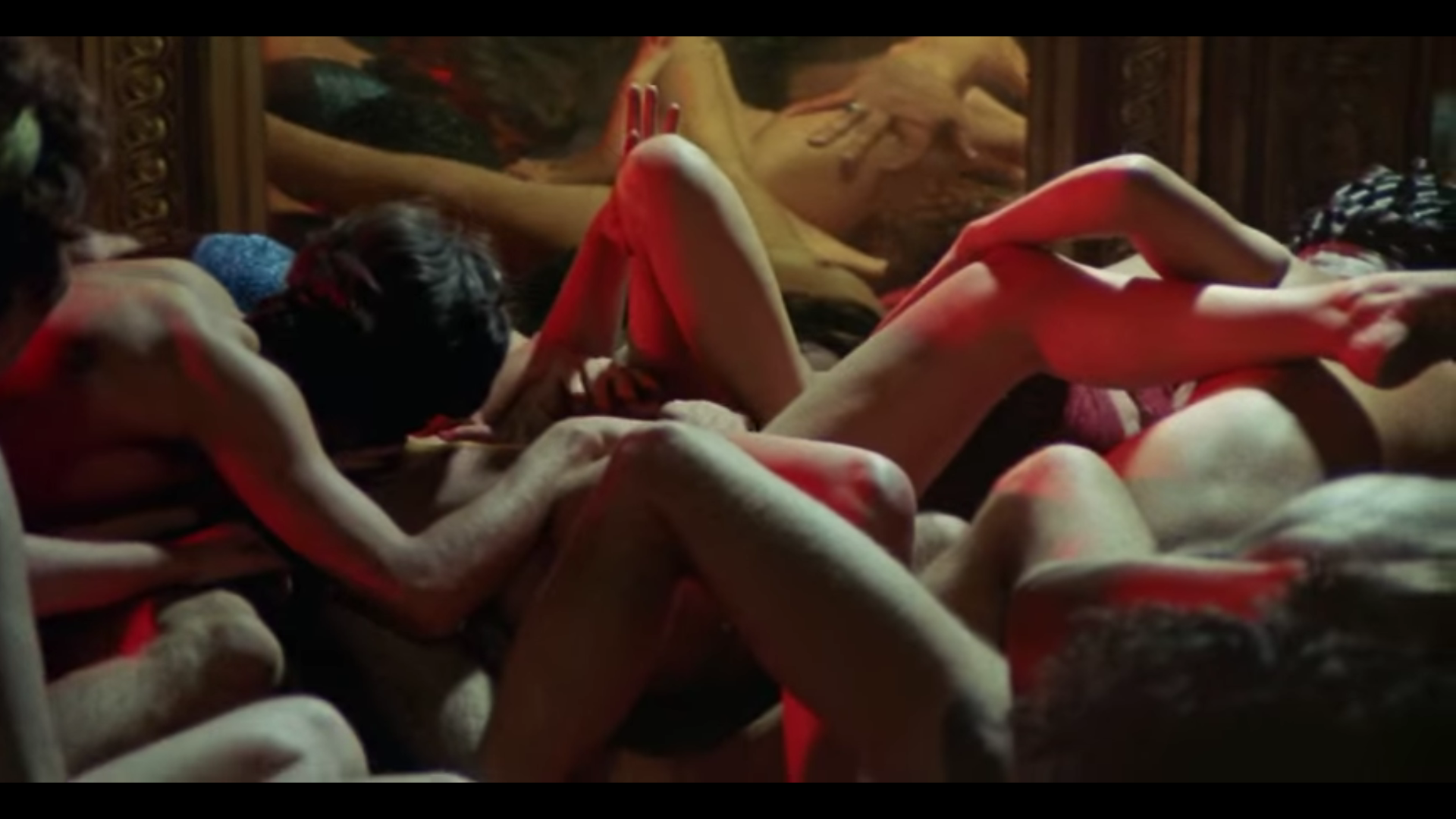
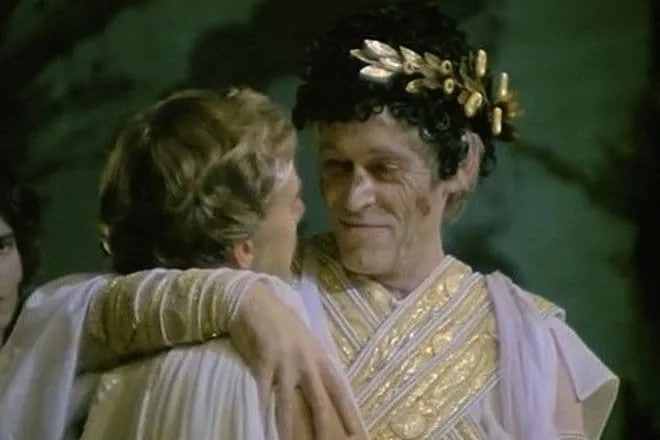
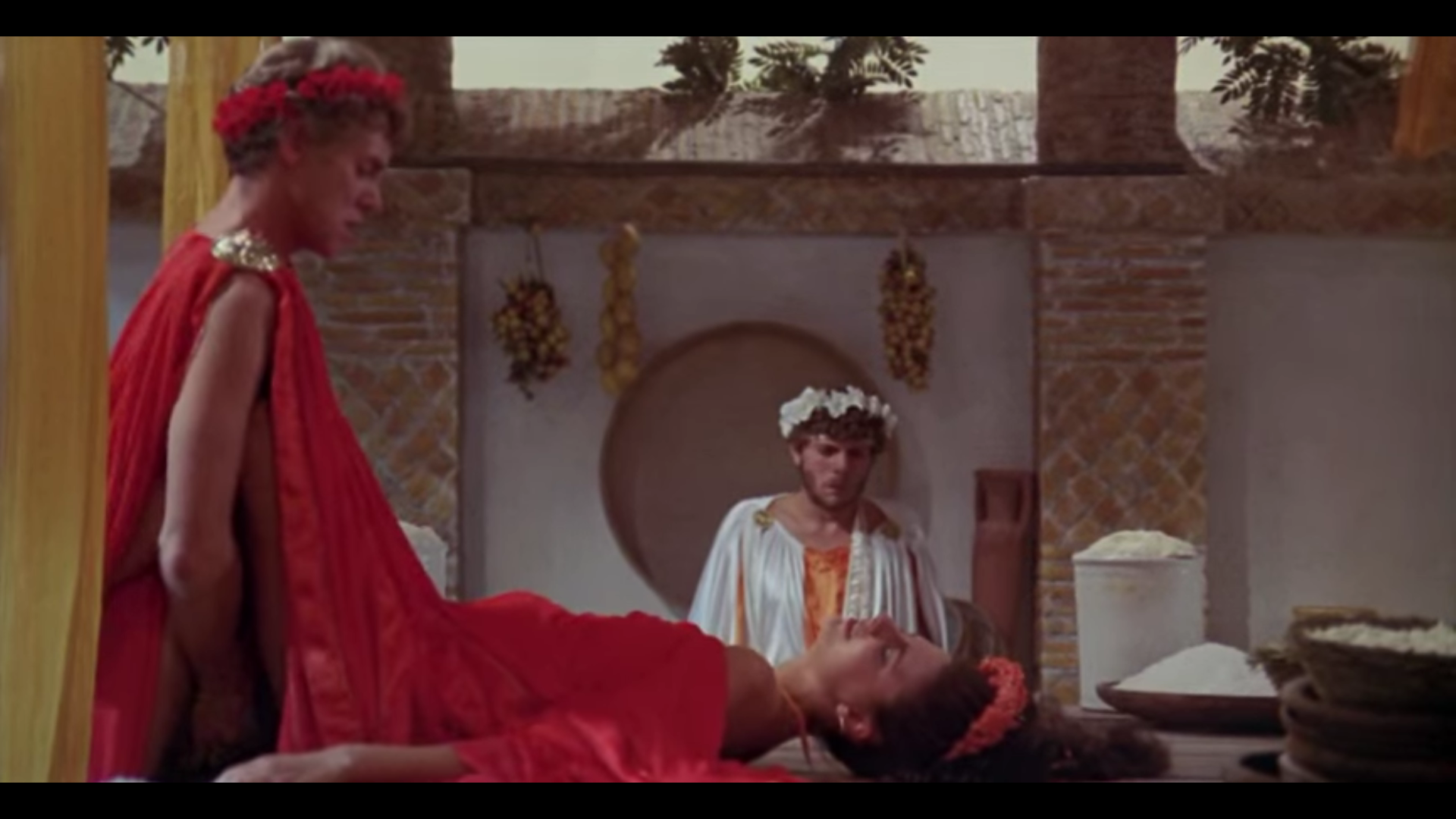
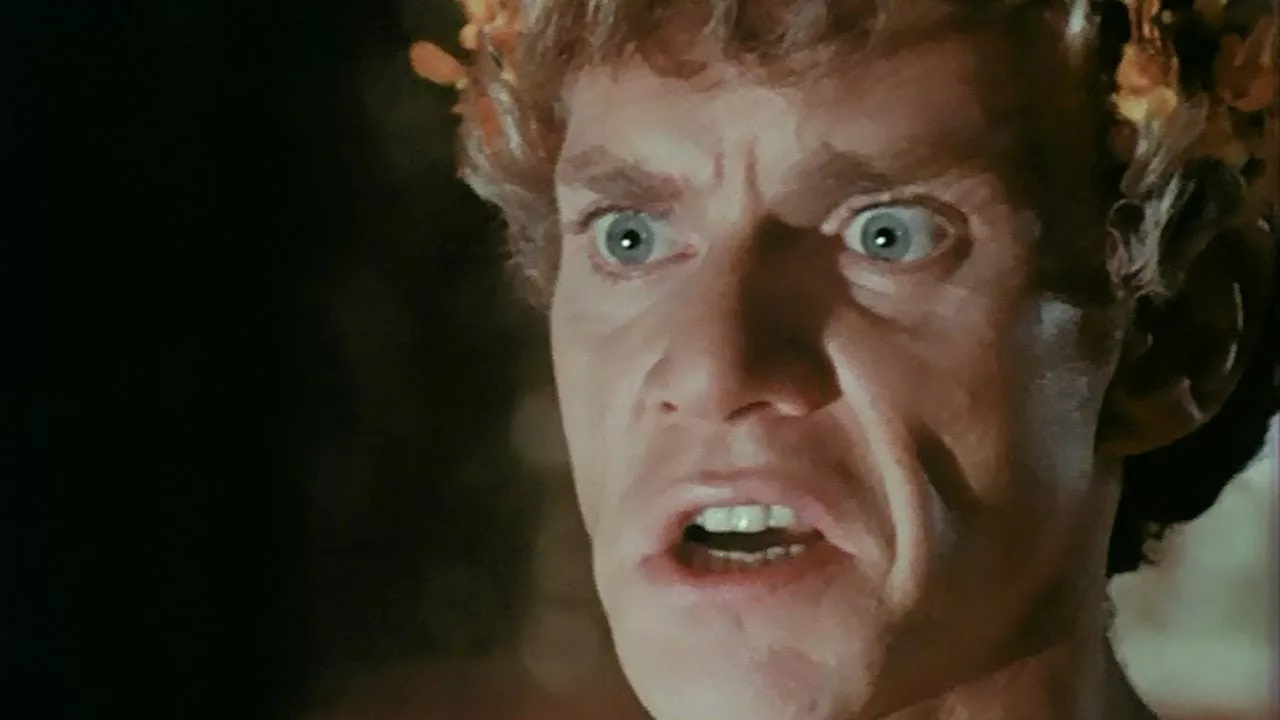
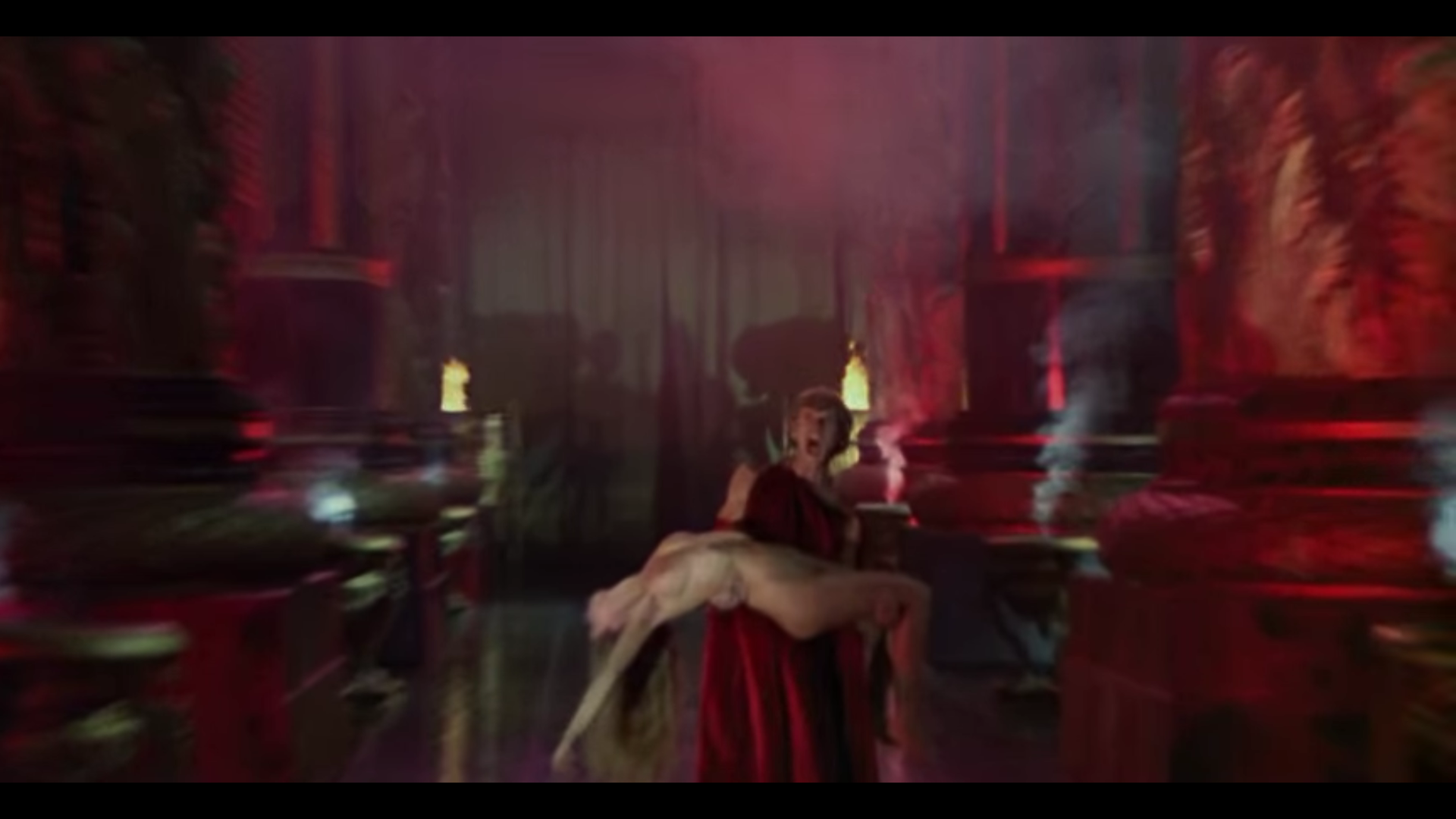
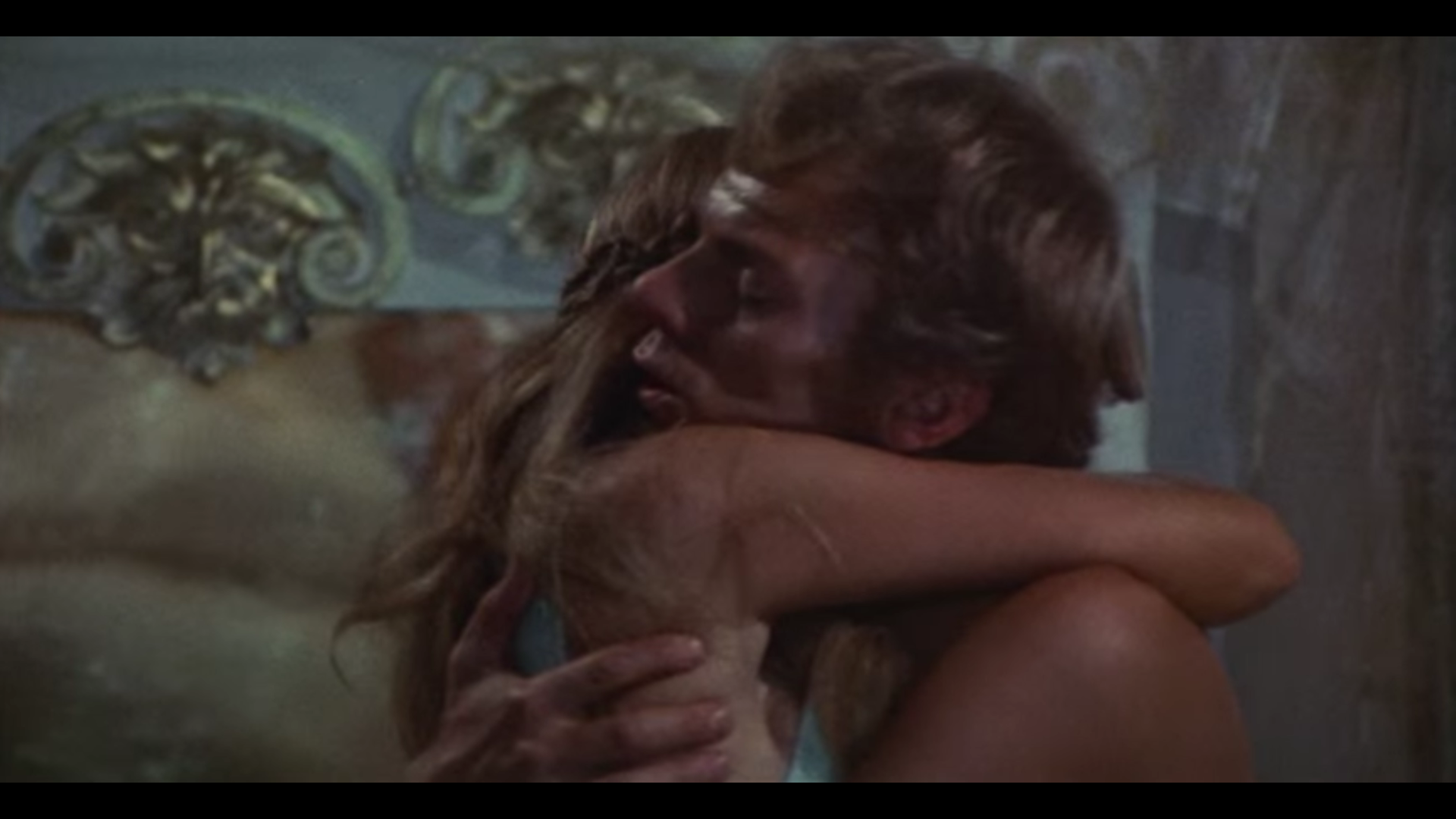
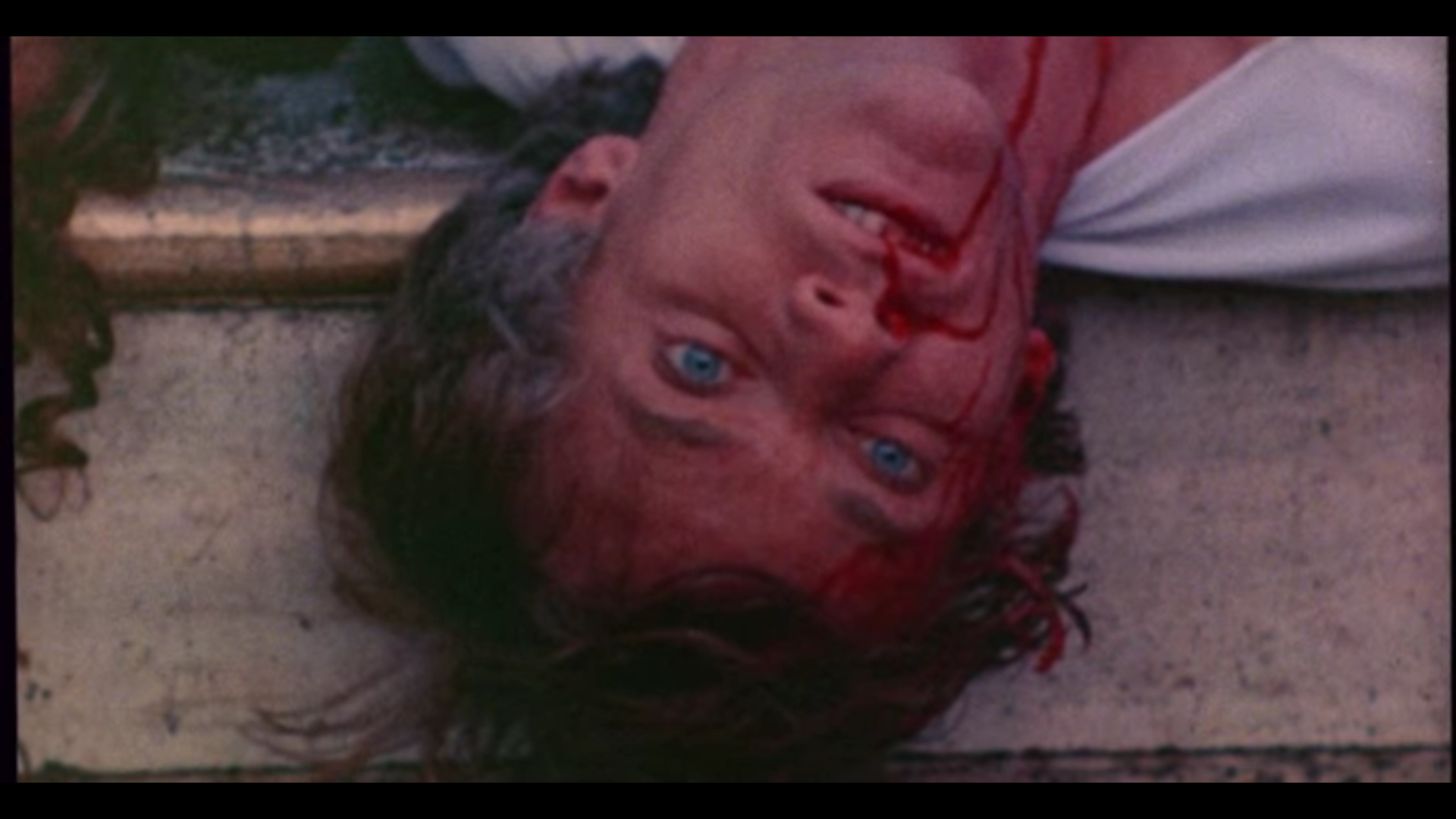
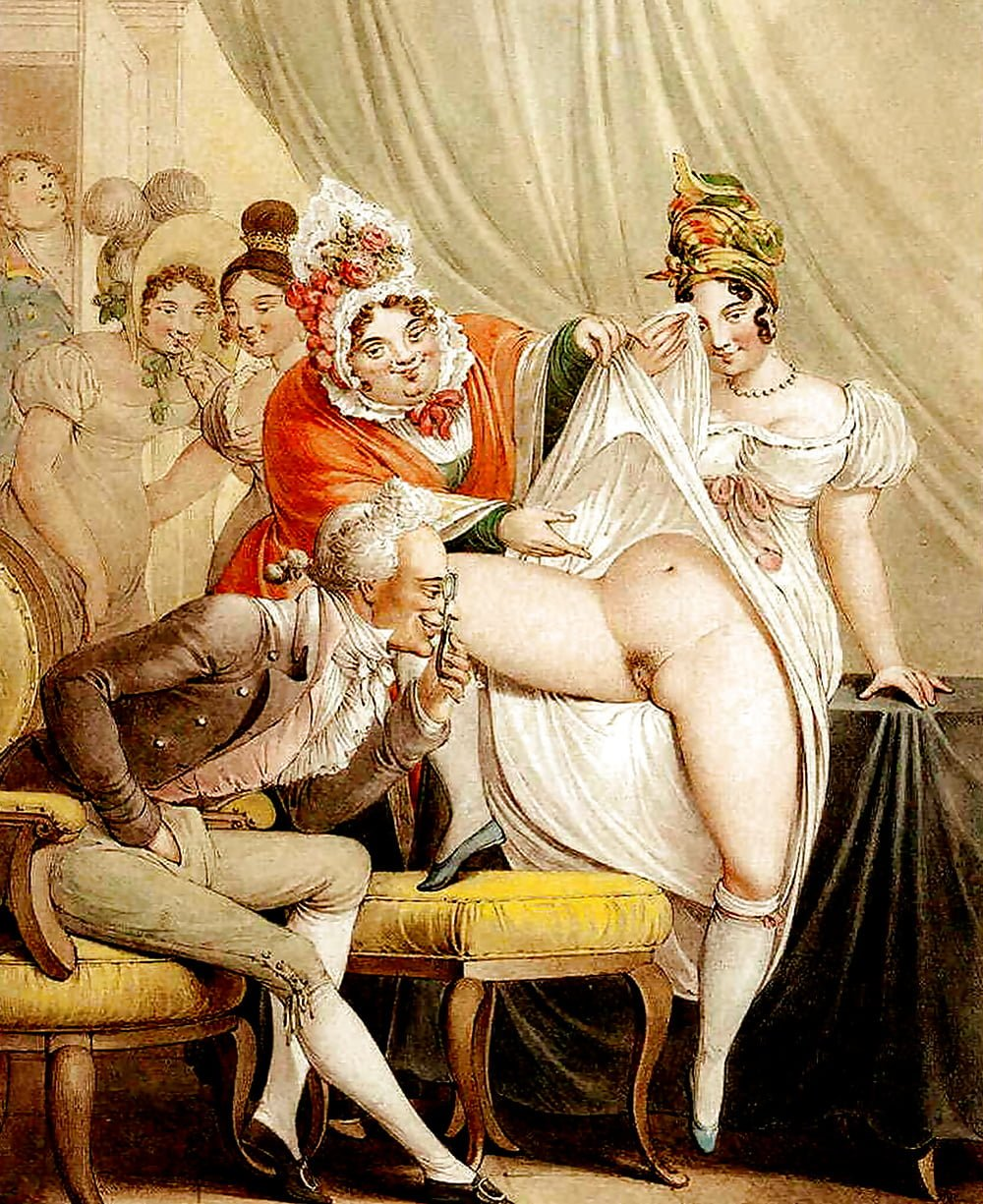
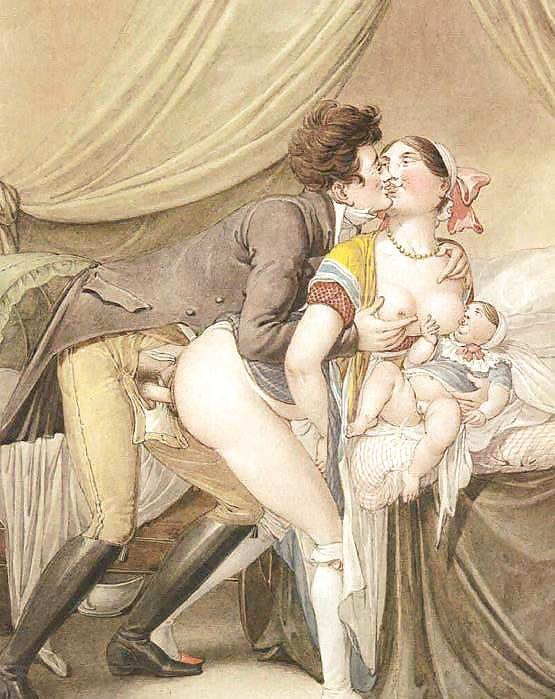
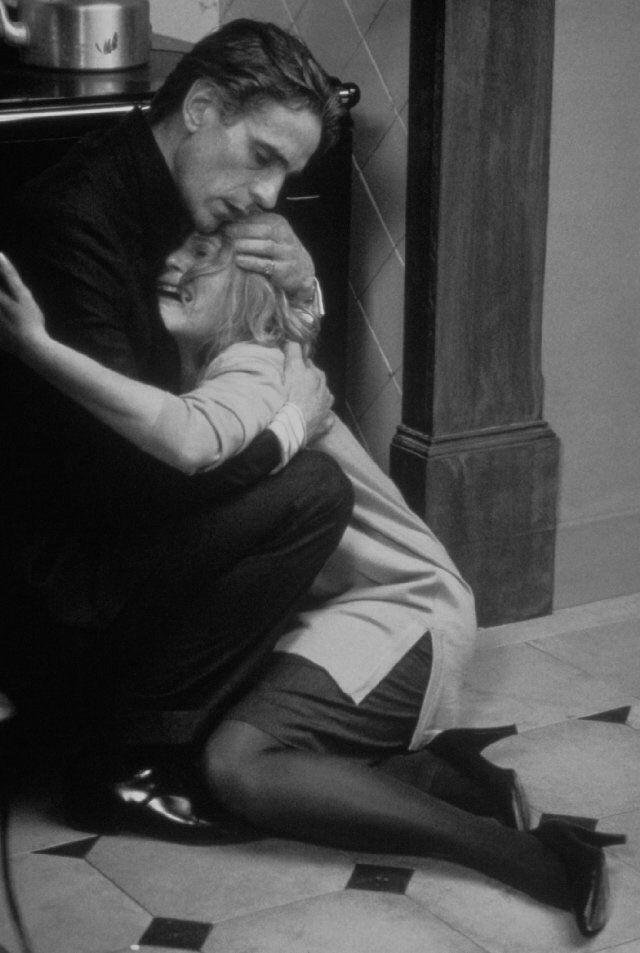
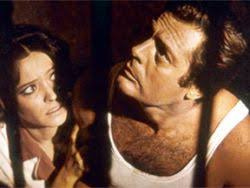
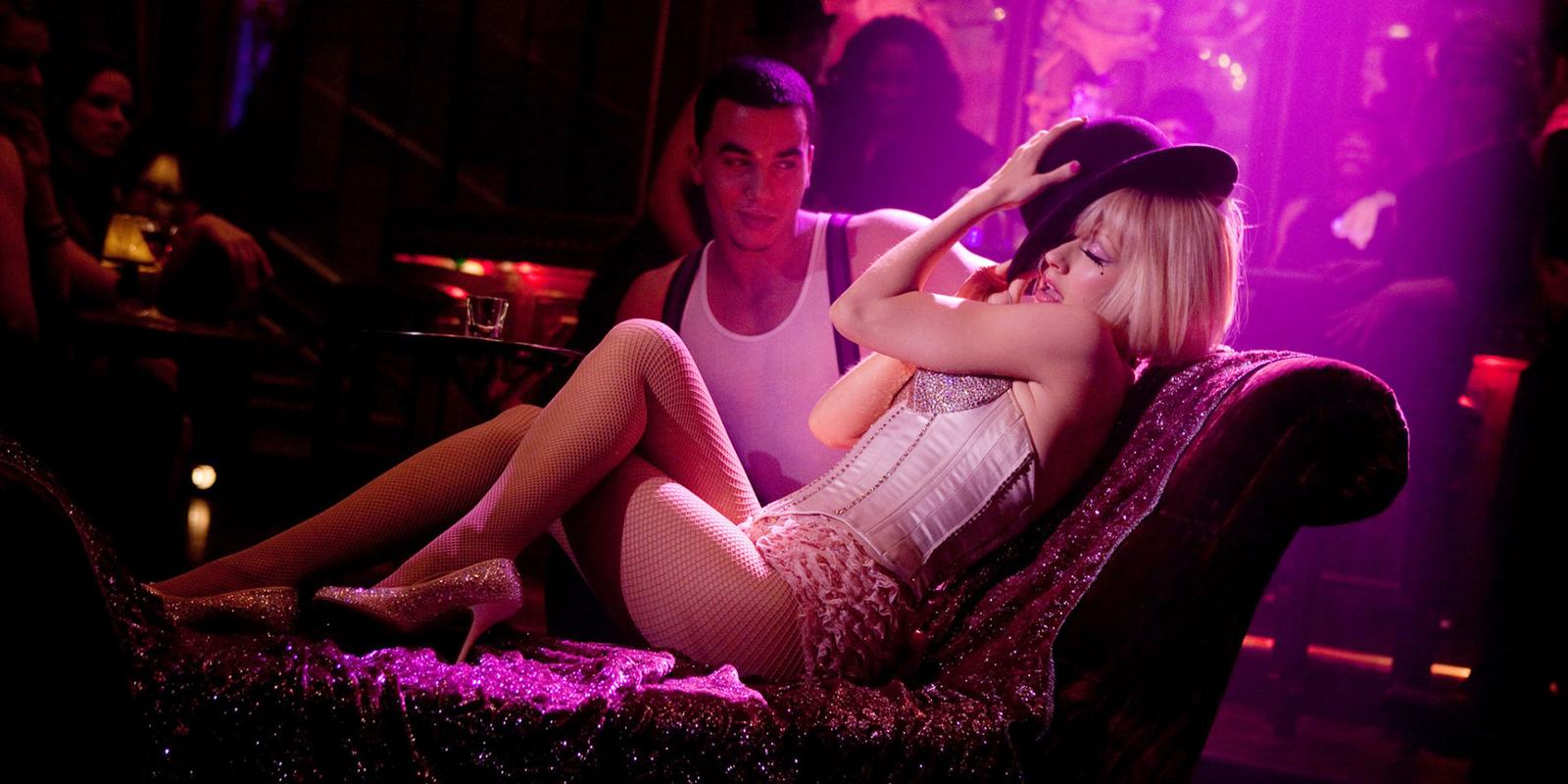
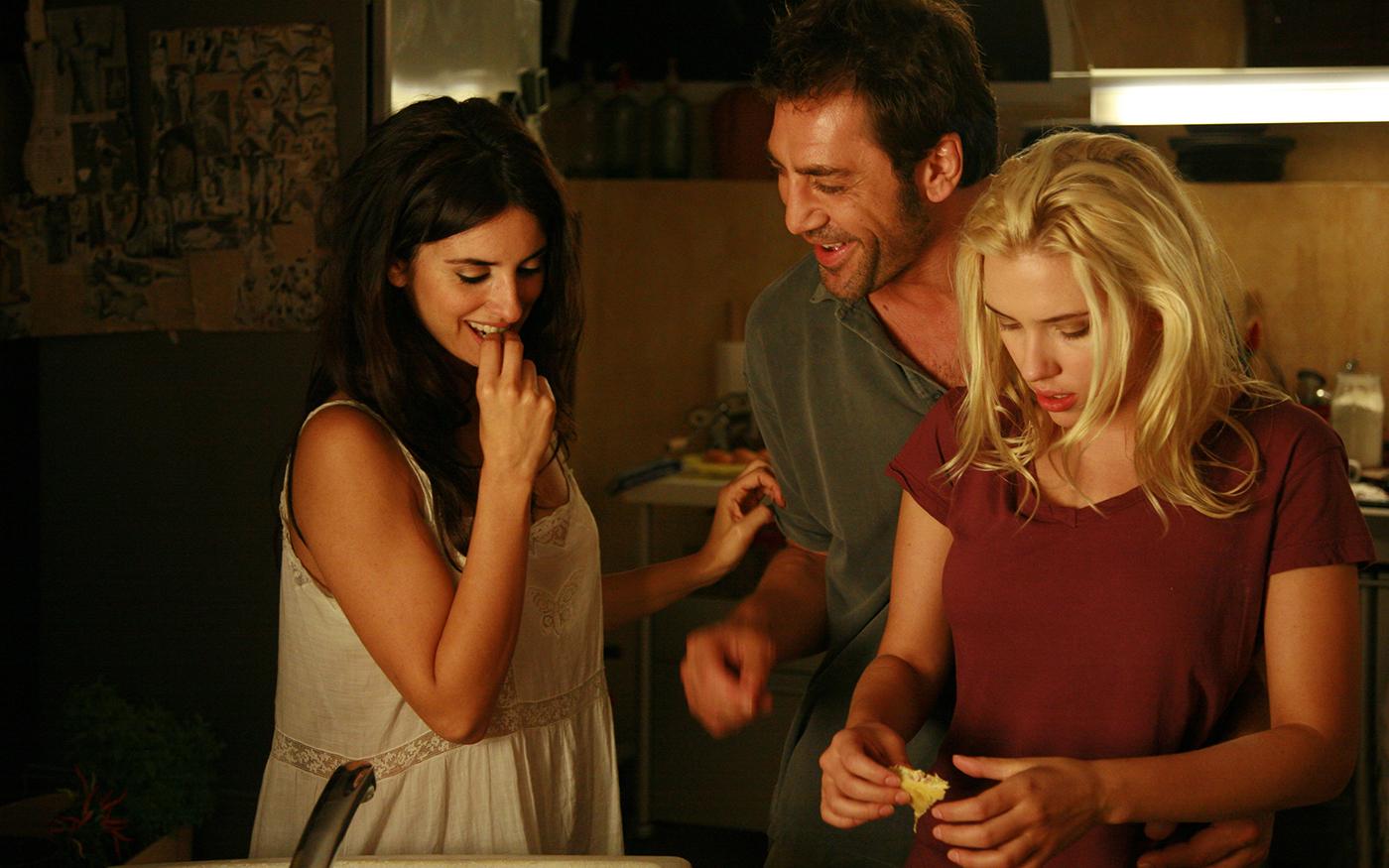
Orgies in the film The film “Casanova Federico Fellini” (1976)
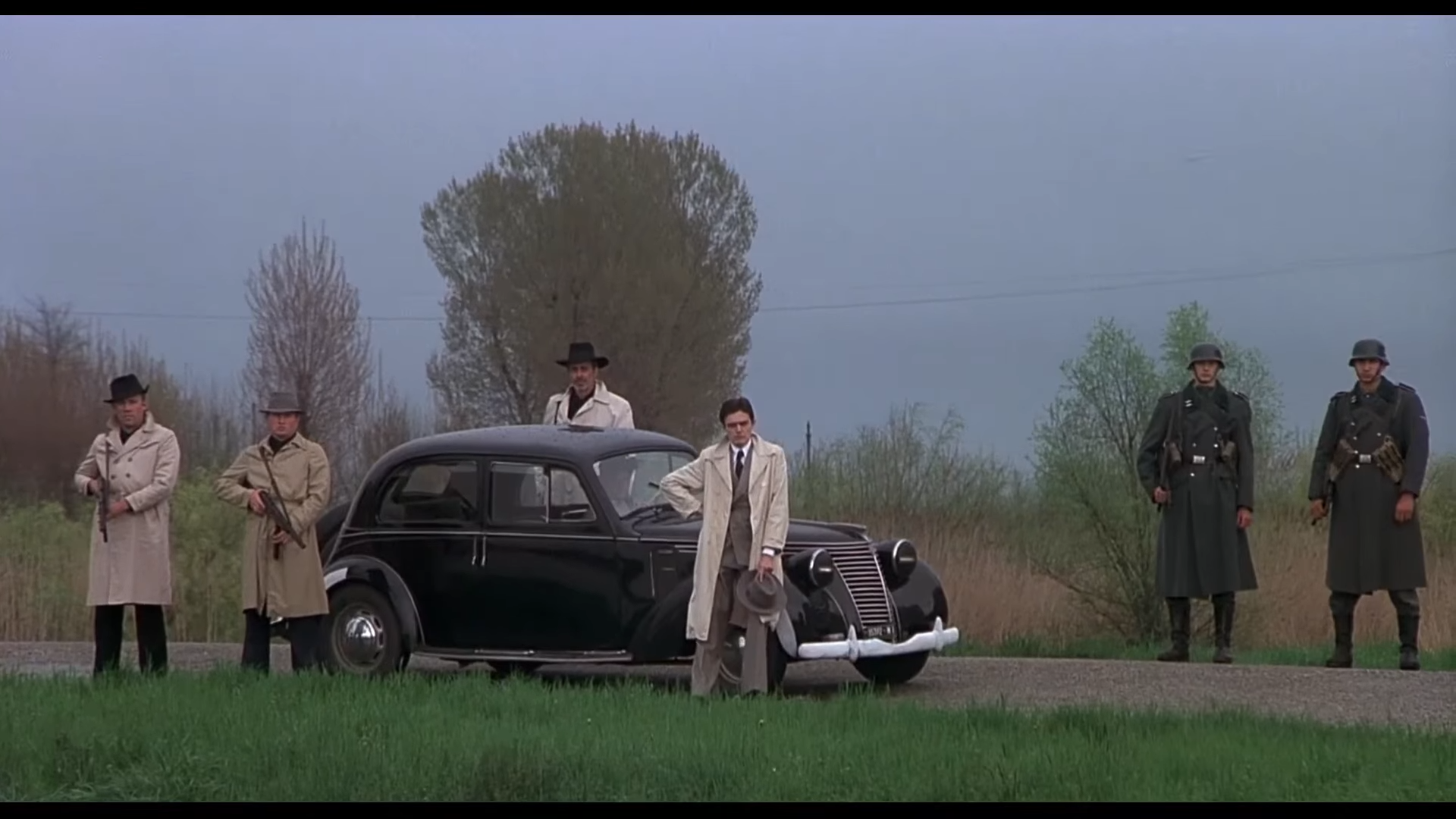
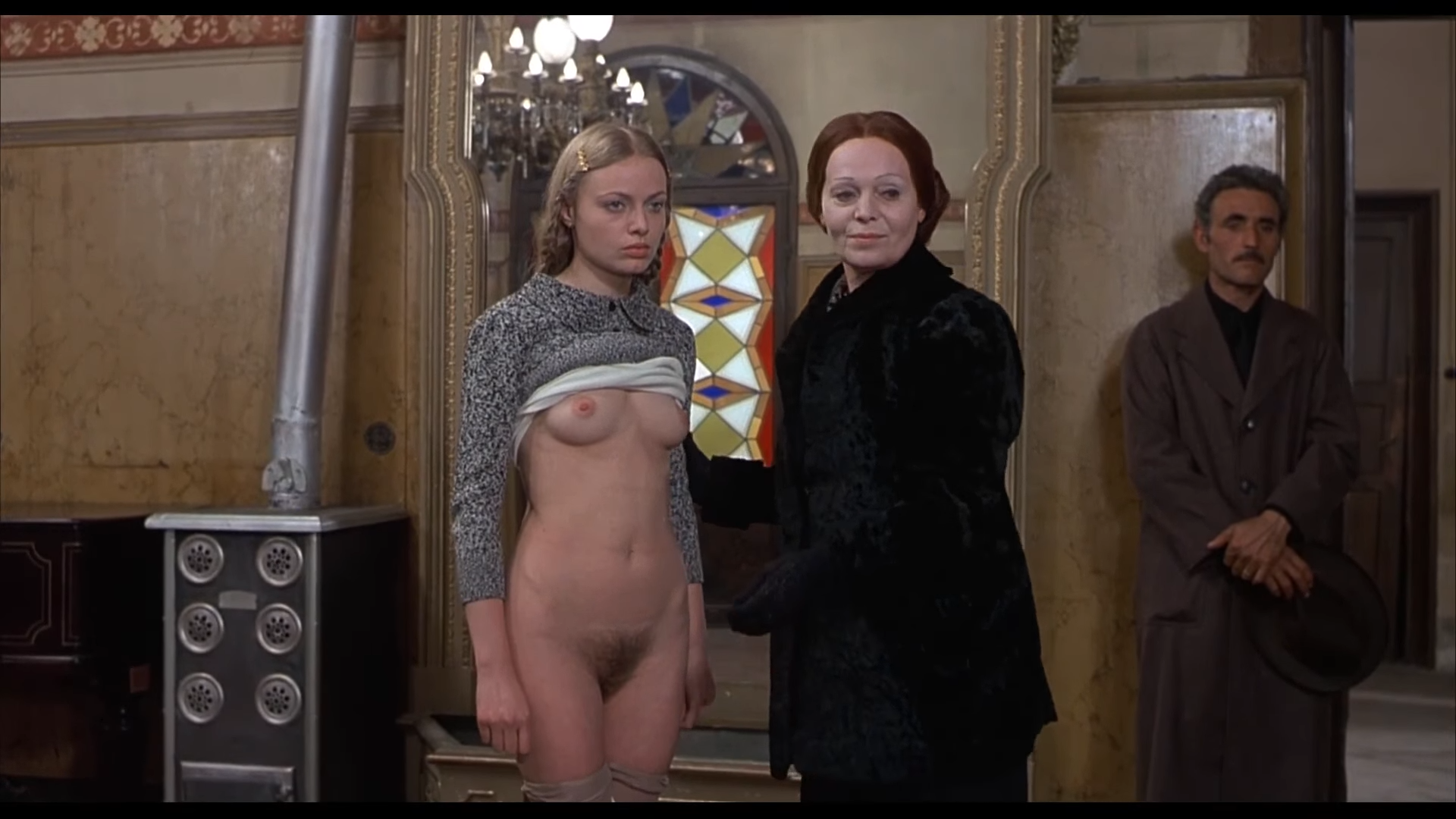
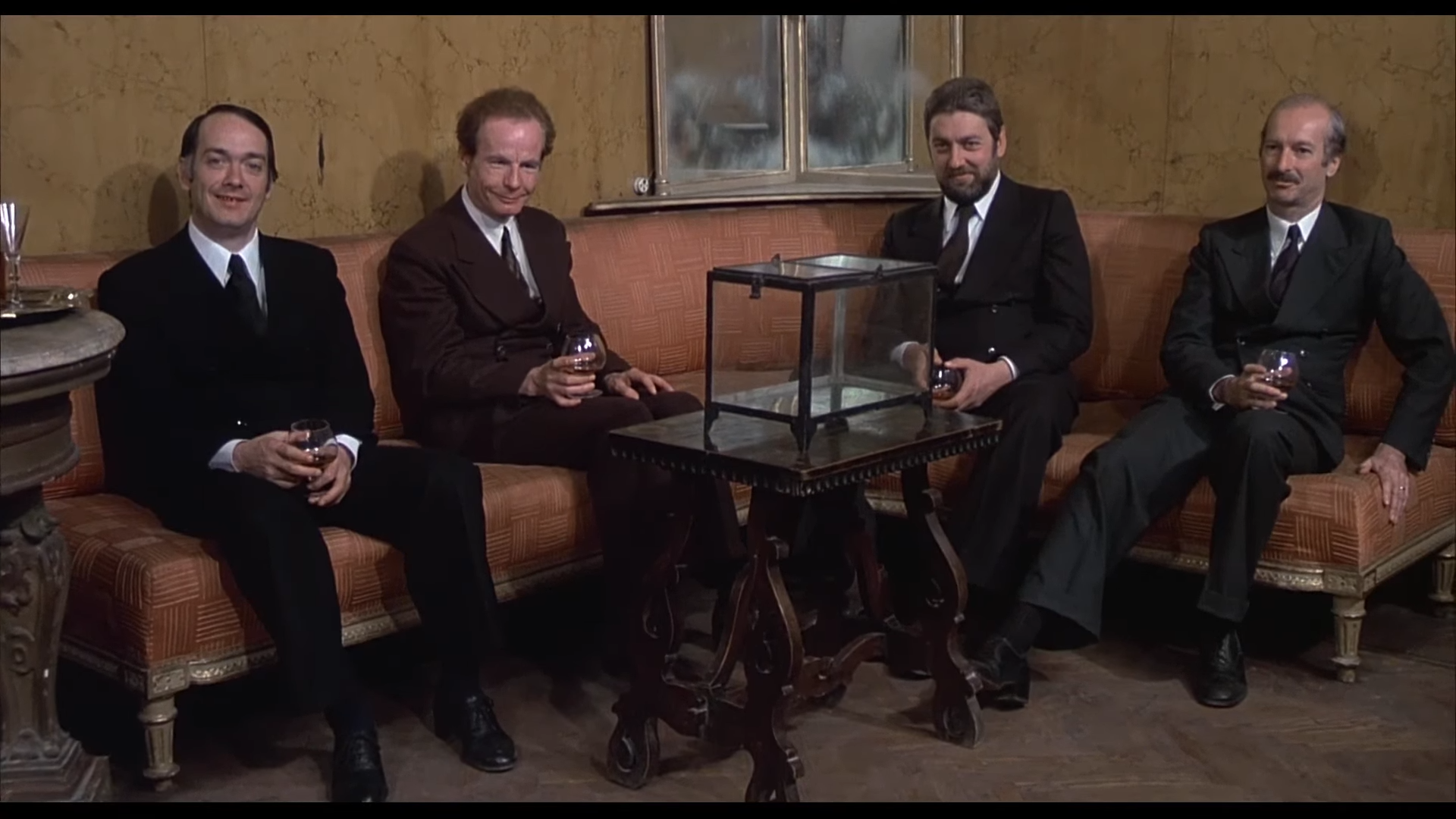
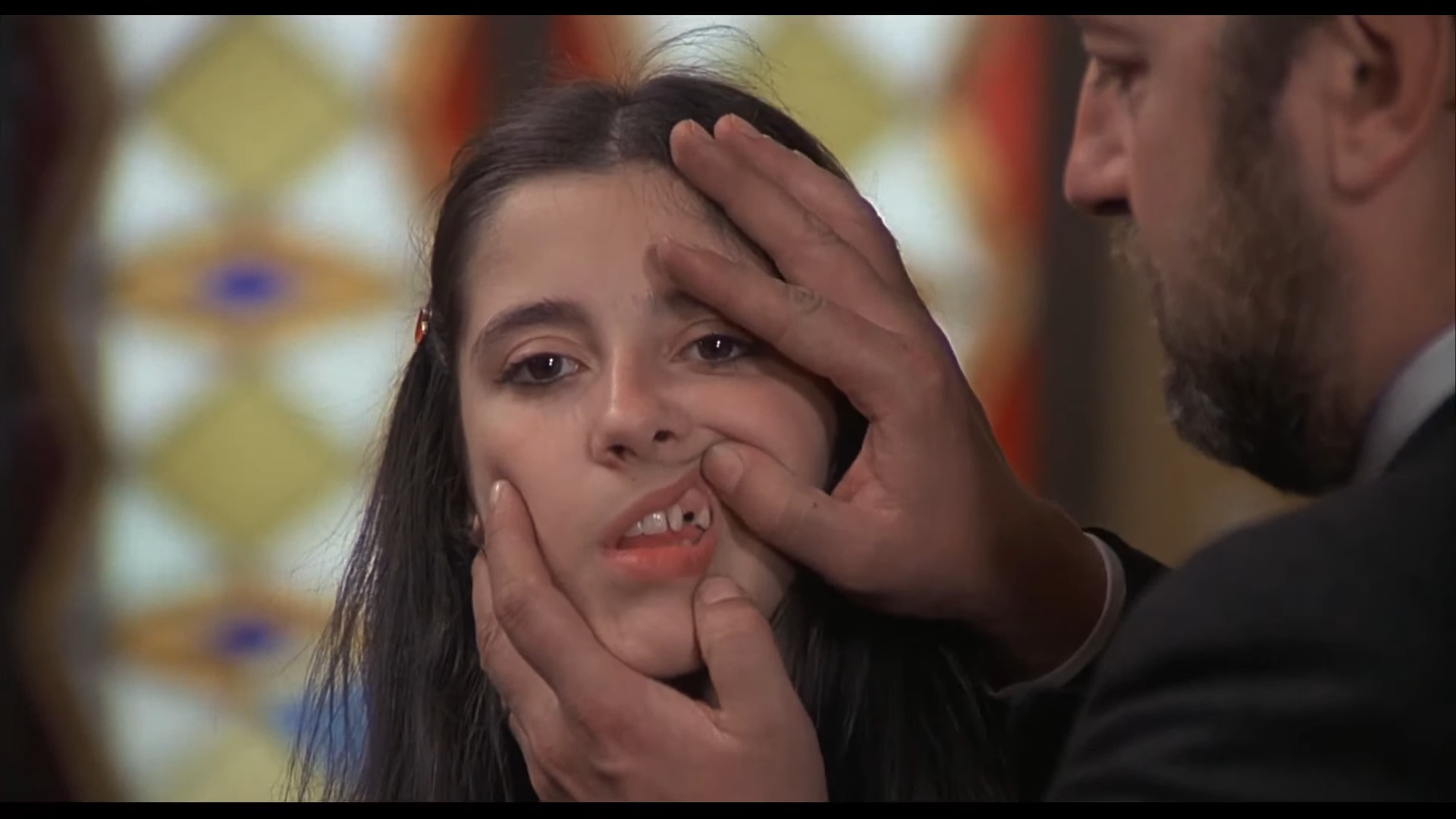
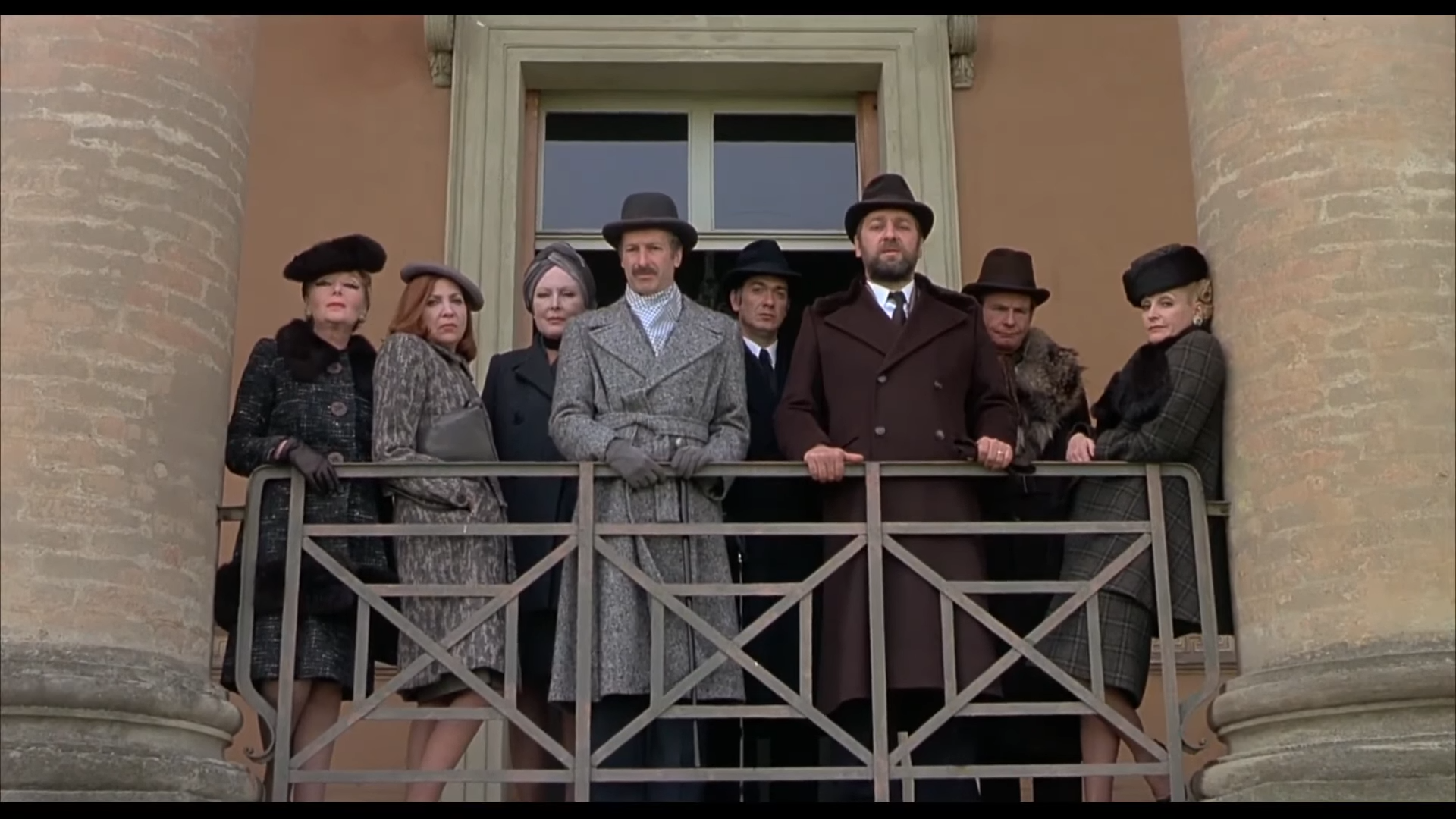
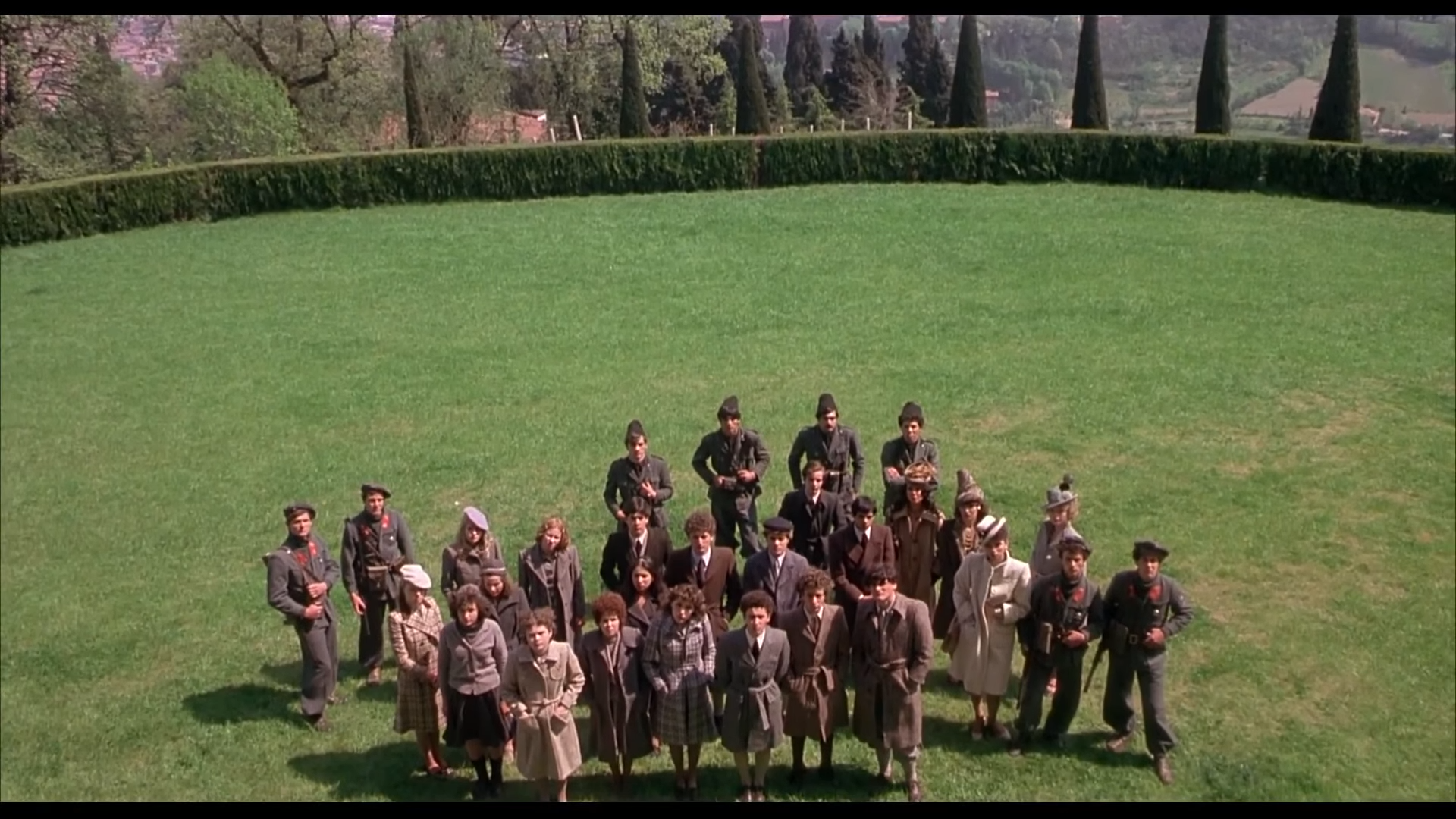
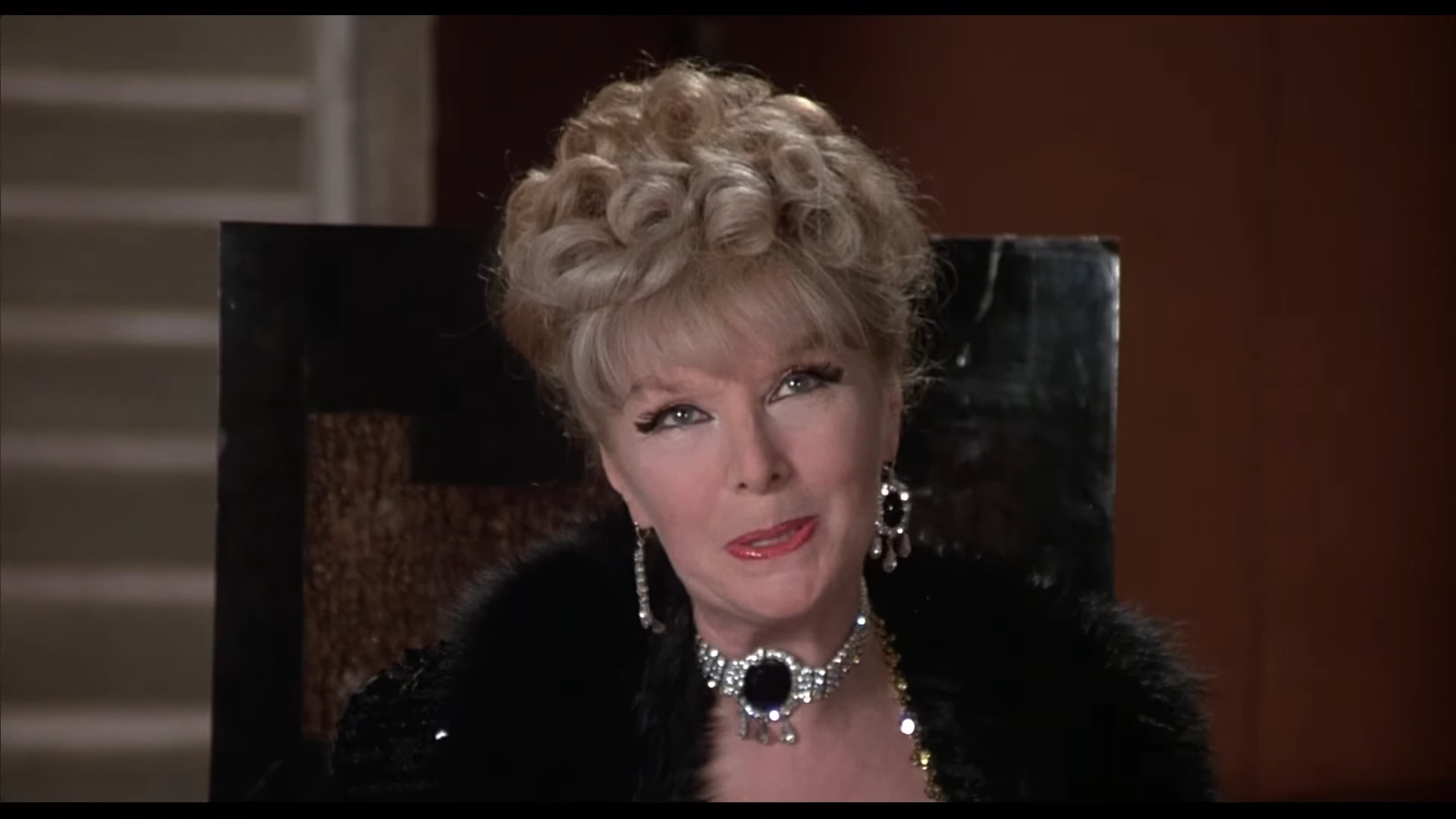
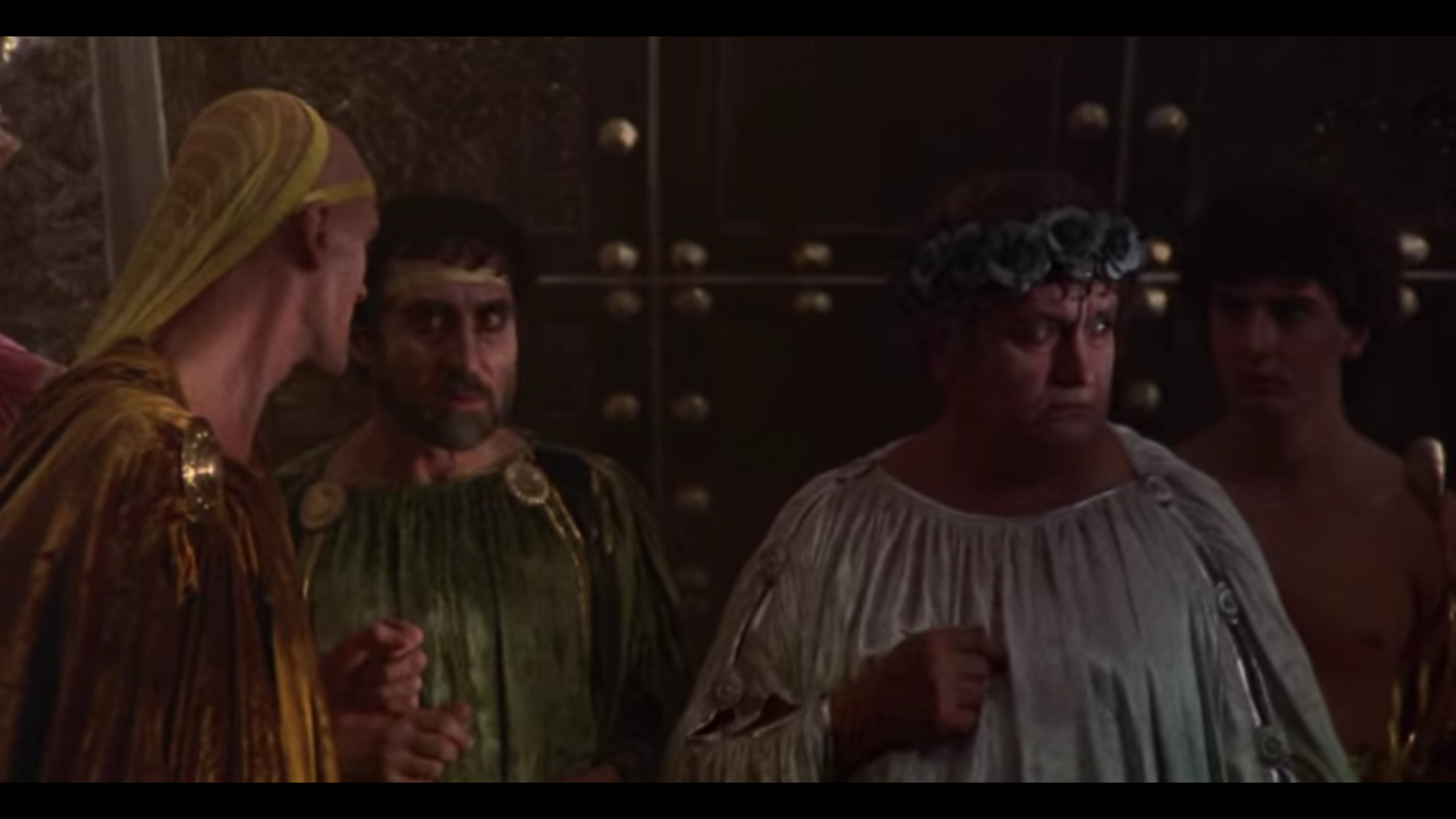
The film “Casanova Federico Fellini” (1976) is a unique interpretation of the famous life and adventures of Giacomo Casanova, an Italian adventurer, writer and memoirist of the 18th century. Under the direction of legendary director Federico Fellini, the film is a profound exploration of themes of eroticism, art and human eccentricity. The film received good reviews from critics and the press. The British newspaper Guardian, without exaggeration, called it a masterpiece.
Orgies in the film
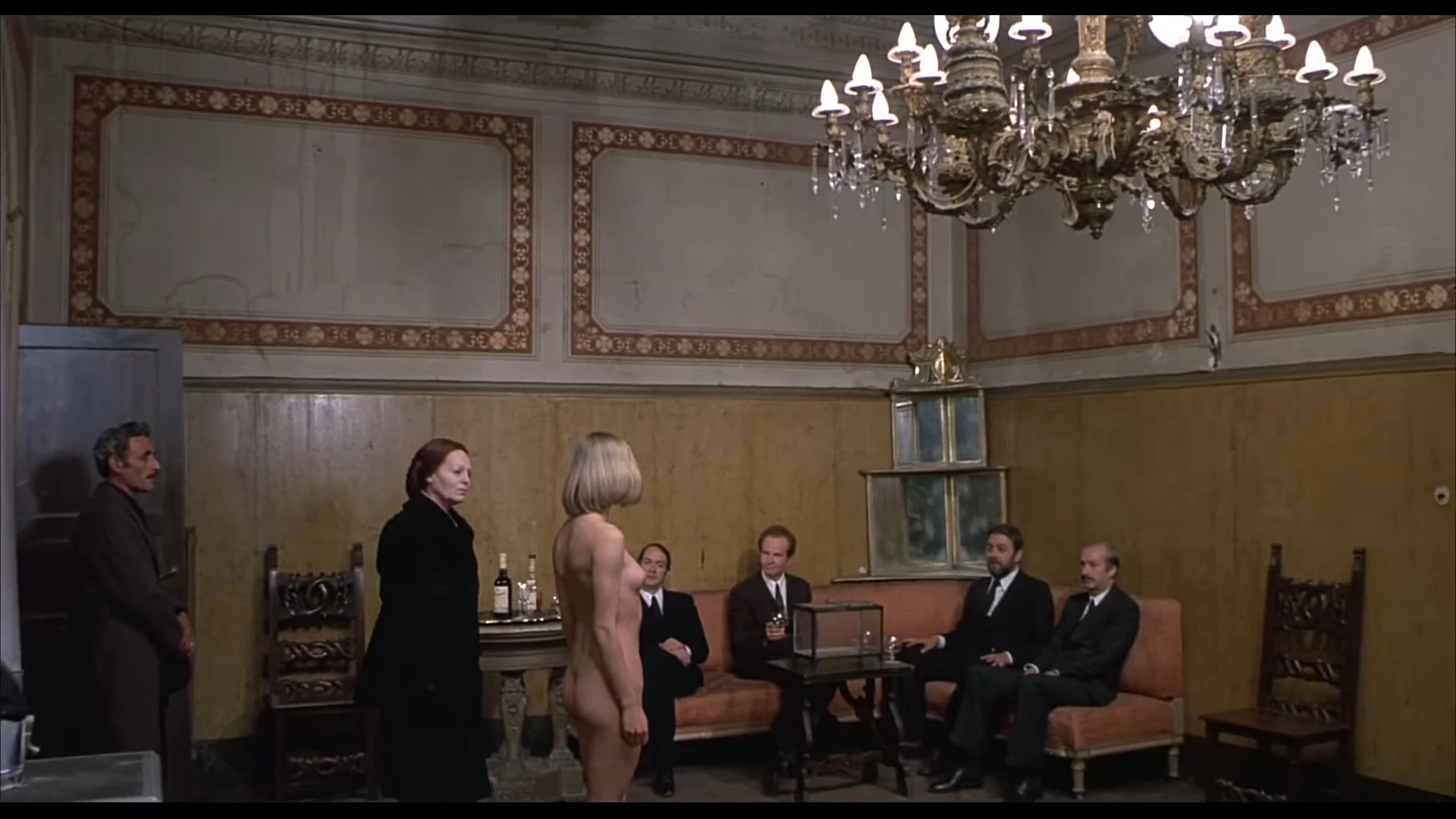
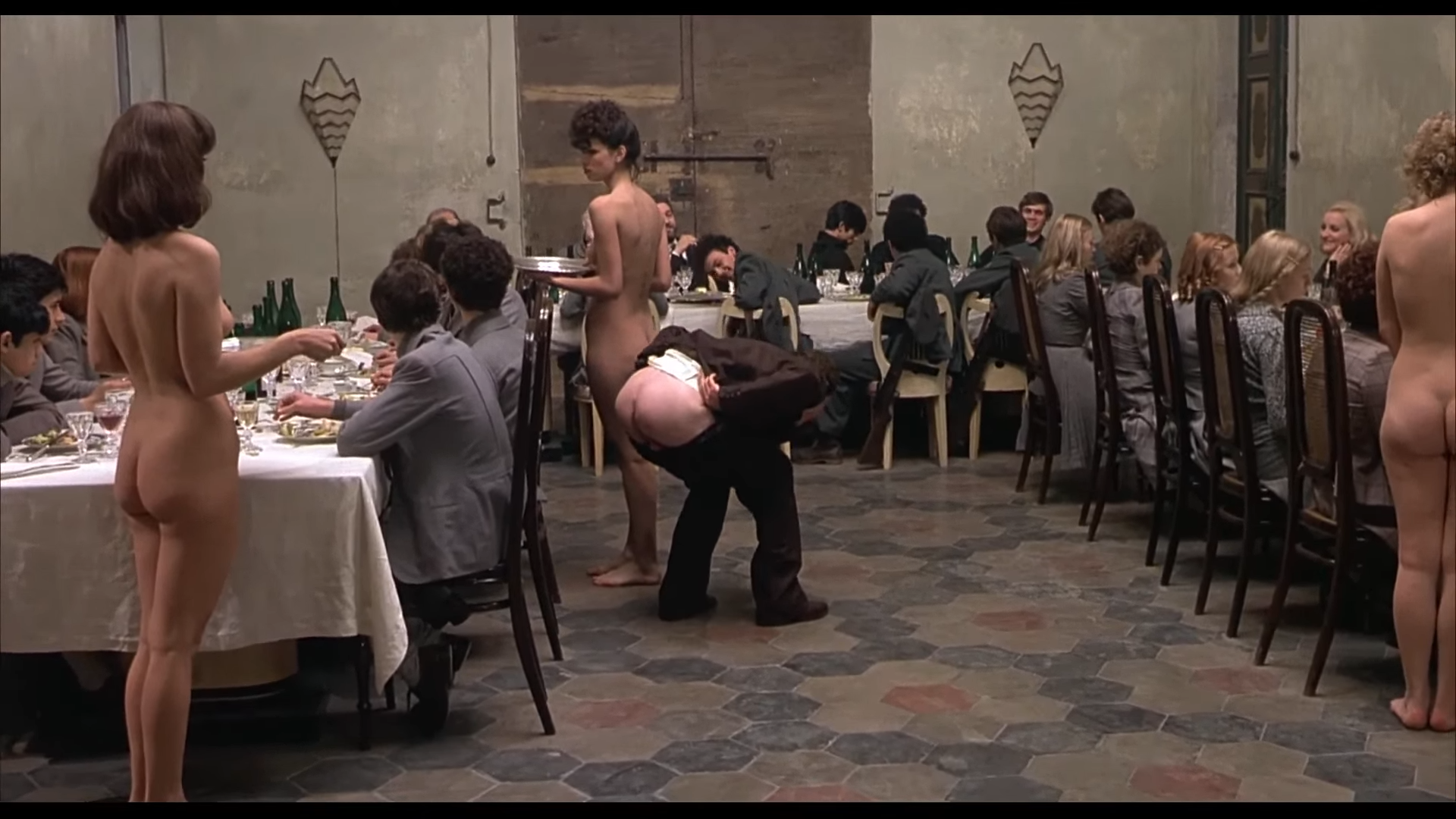
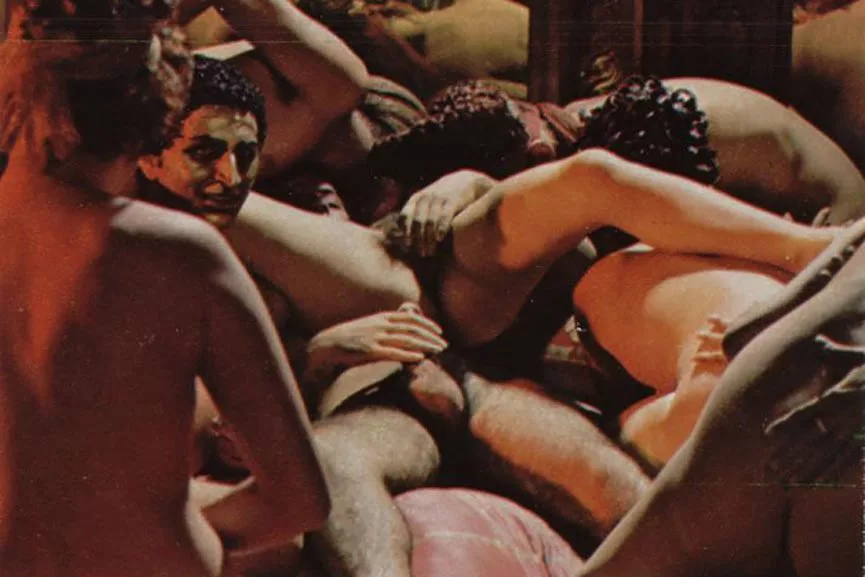
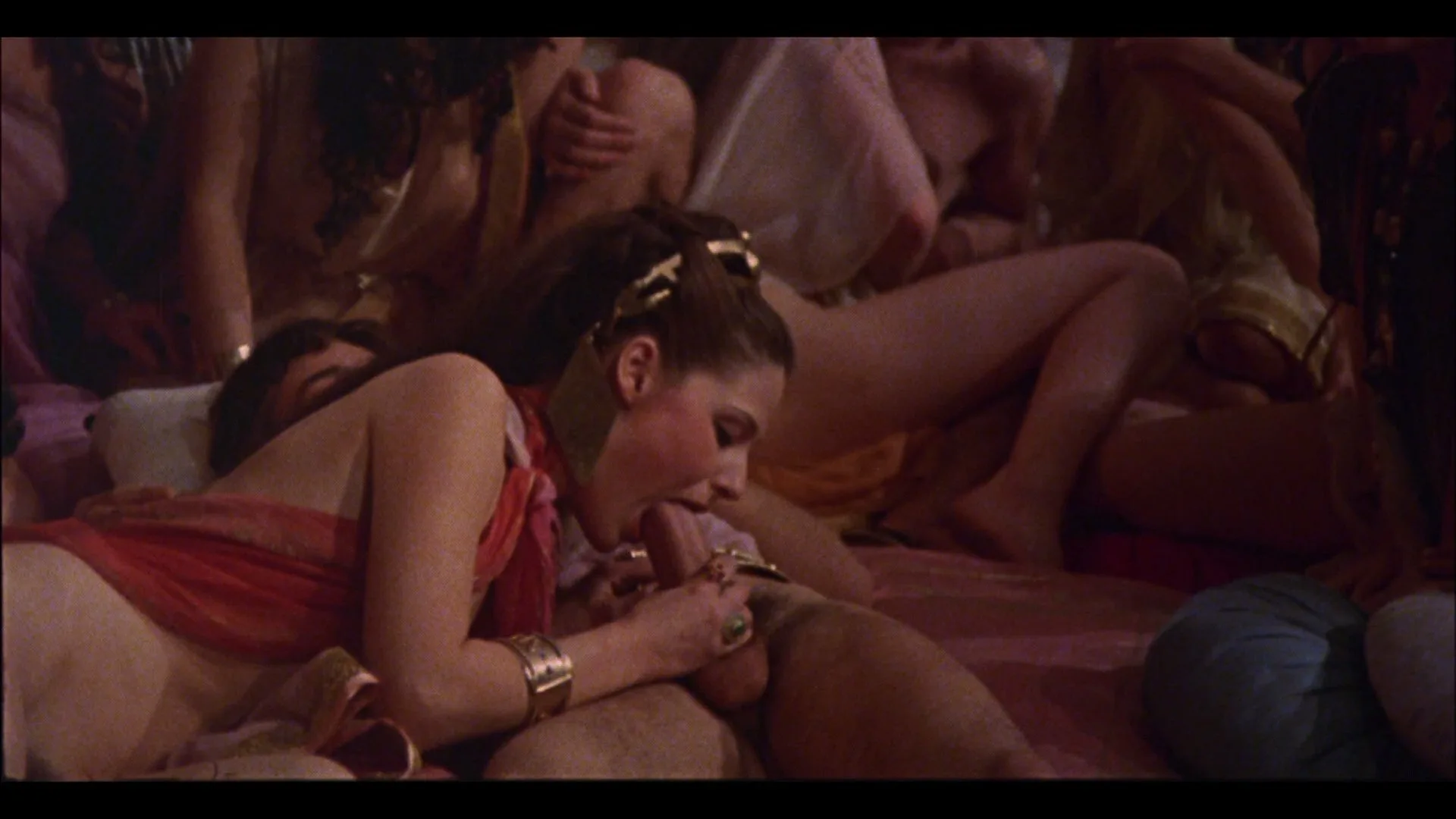
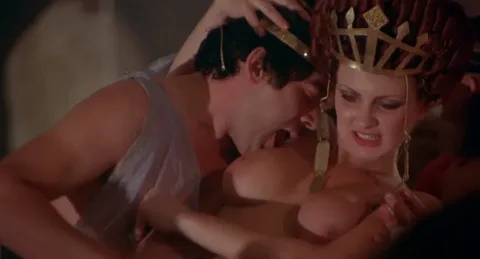
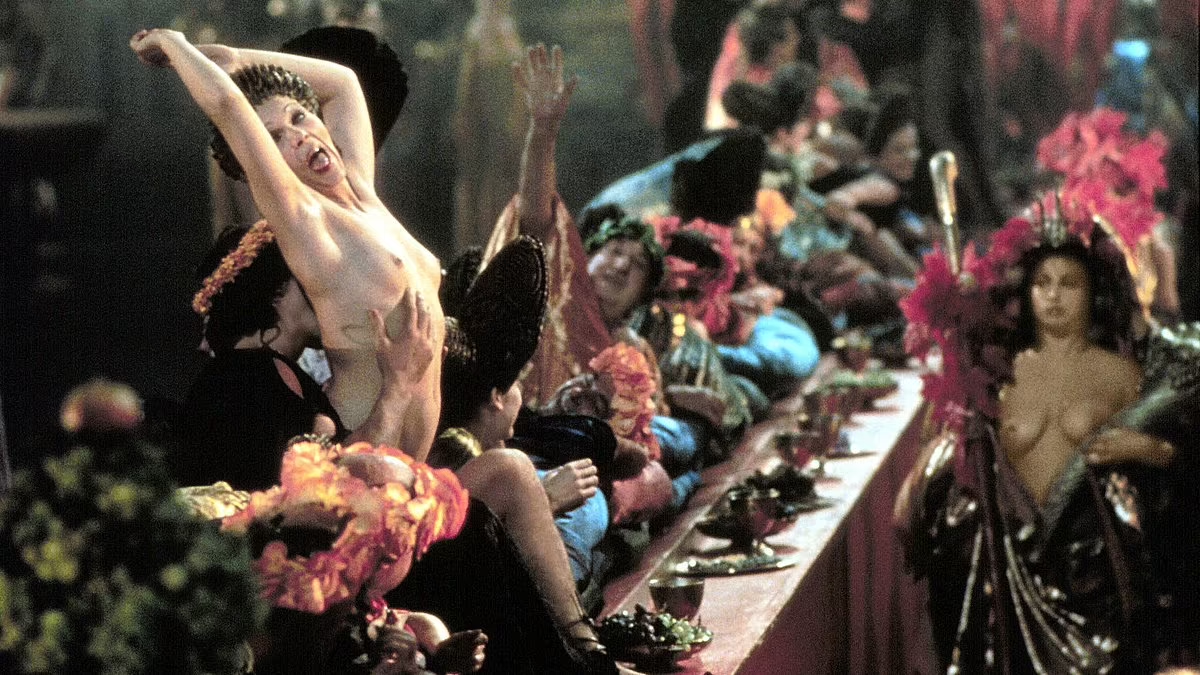
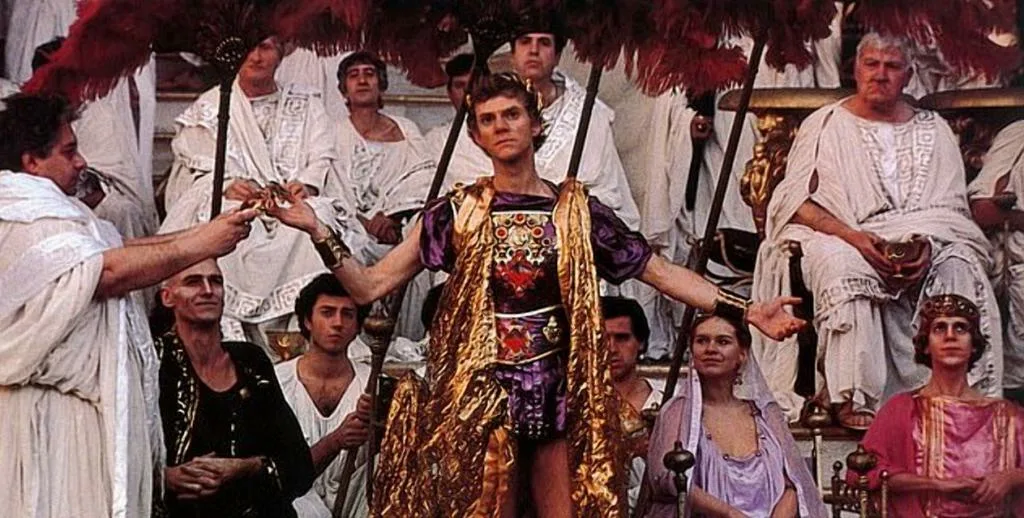
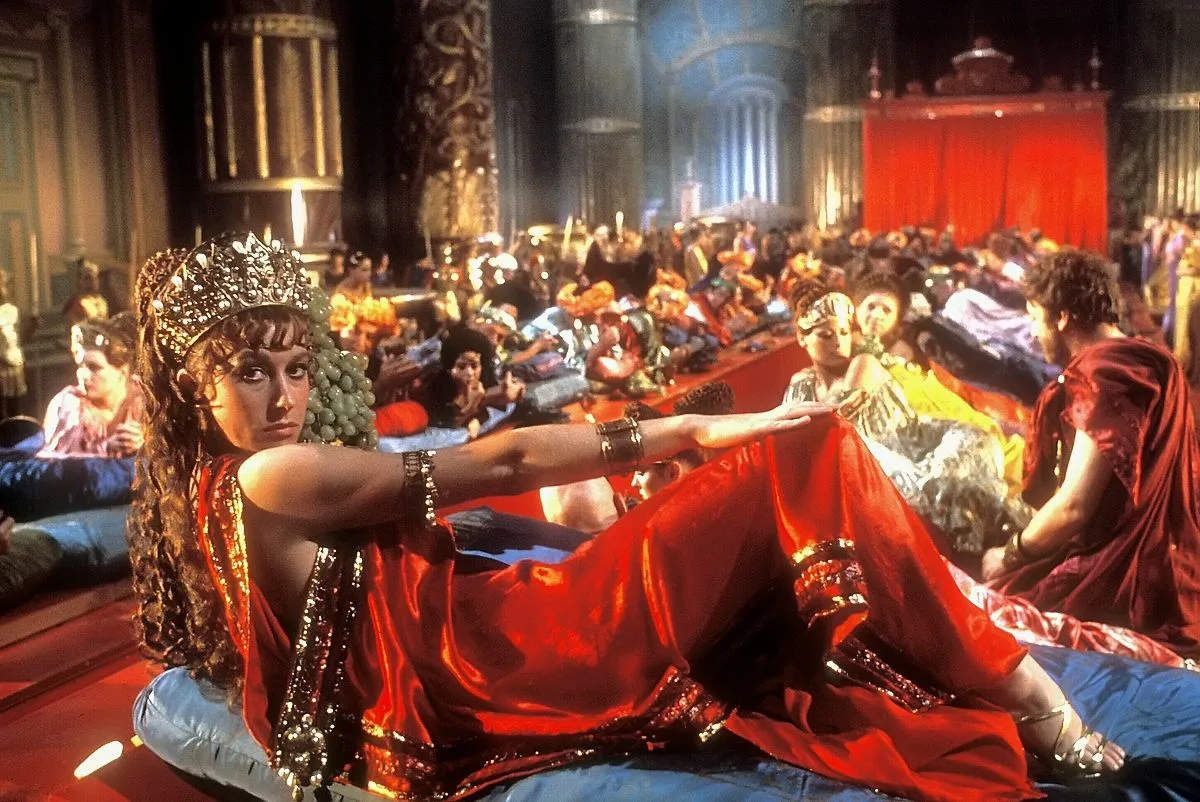
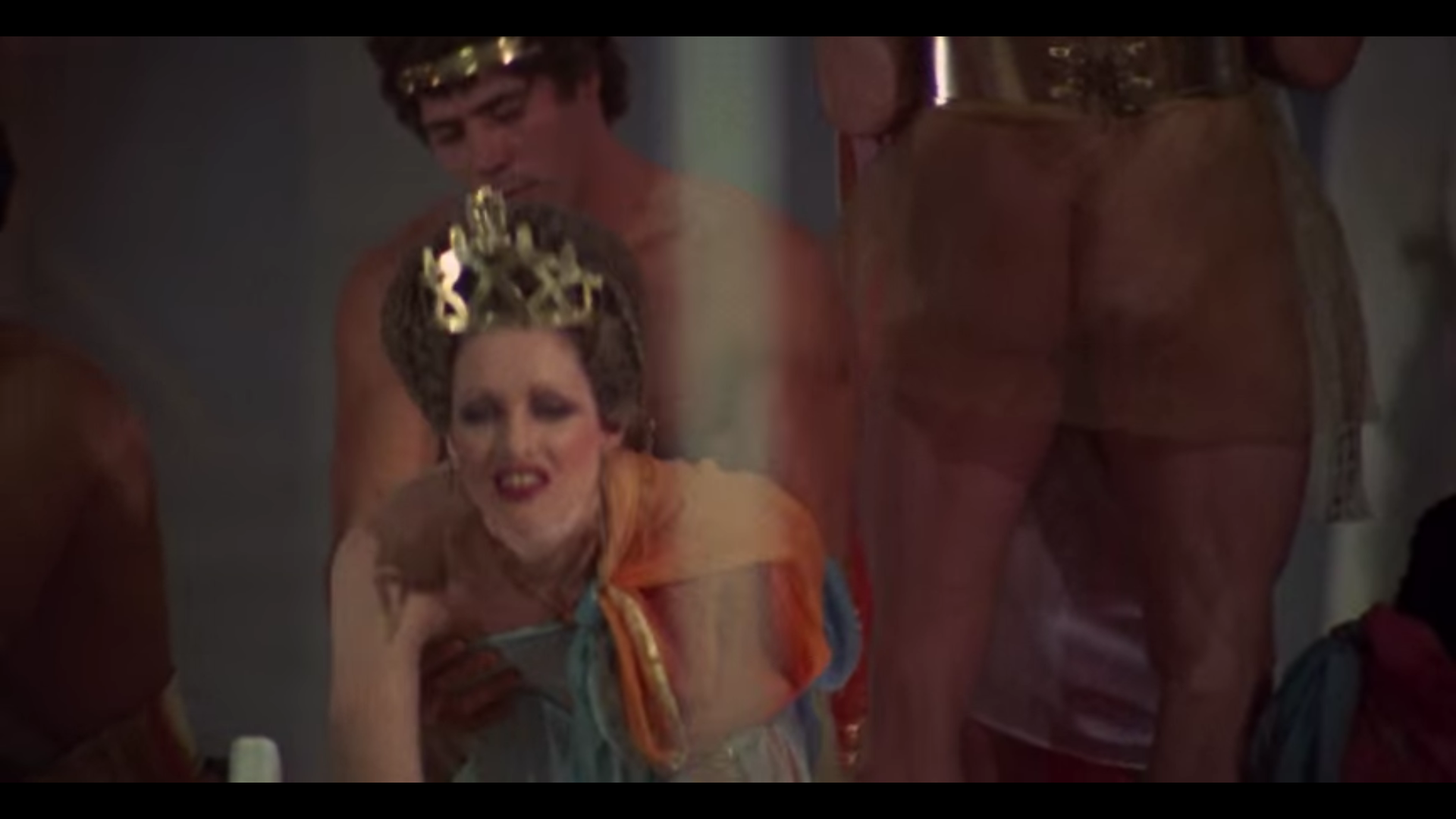
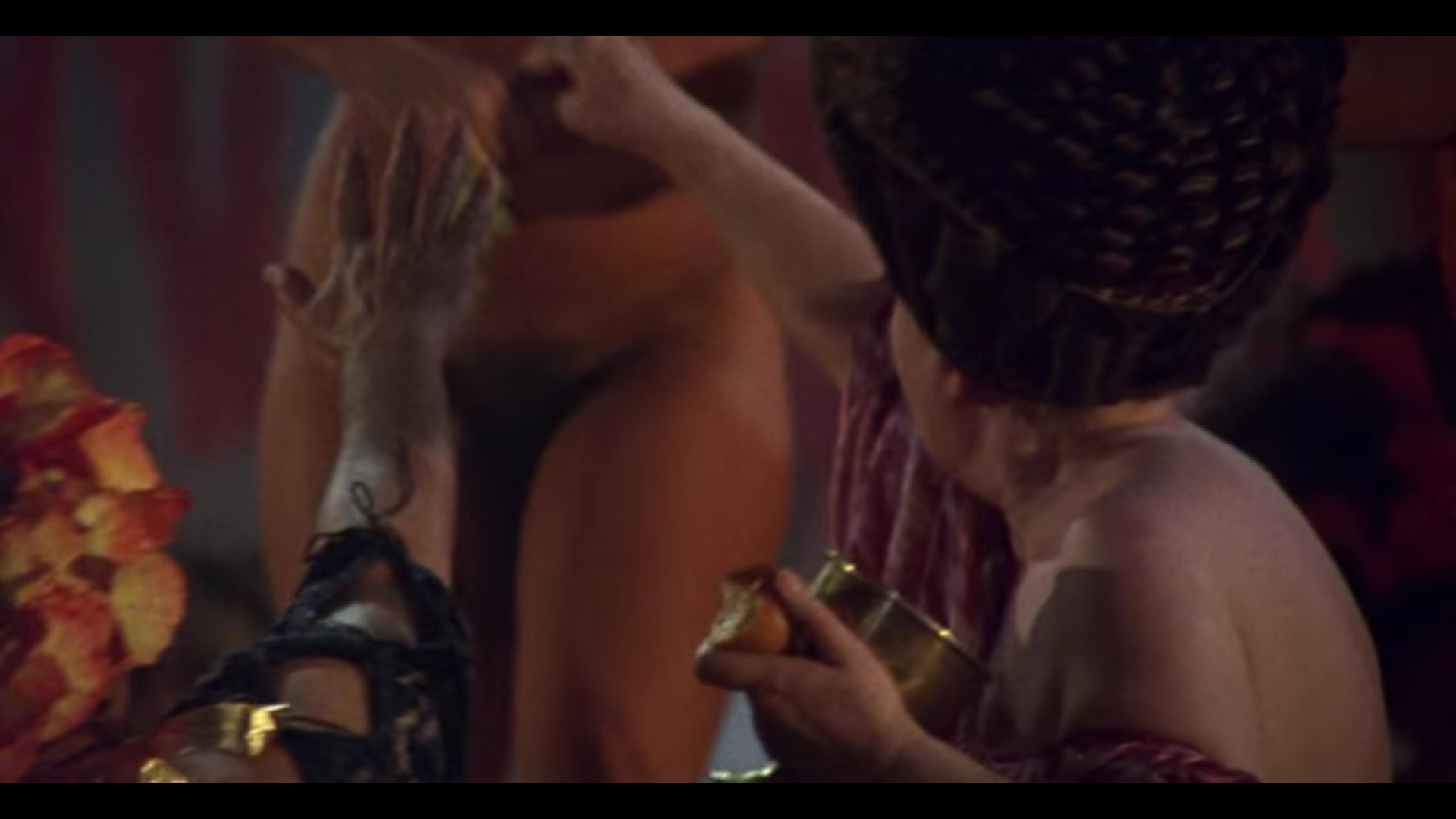
Orgies in the film “Casanova Federico Fellini” play an important role and help to better understand the main character and his inner world. These scenes, filled with theatricality, reflect the deeper meanings and themes that the director wants to convey. In each new country, Casanova continues to participate in orgies and love affairs. These scenes are filled with excess and flamboyance, showing his constant search for new sensations.
The orgies show that Casanova is trying to find happiness through pleasure, but in reality this is just an illusion. Despite many love affairs, he remains lonely and unsatisfied. The film shows that superficial pleasures cannot give true happiness.
Plot
The film begins with a colorful scene where Giacomo Casanova, played by Donald Sutherland, enjoys the carnival in Venice. Luxurious decorations and unbridled fun immediately set the tone for the upcoming events, which will be equally extravagant and theatrical.
The carnival becomes the backdrop for various reckless acts. One such episode is when Casanova visits one of the islands of Venice to make love with a fake nun for the amusement of a rich voyeur. Casanova is disappointed that this man shows no interest in his research in alchemy and his future plans.
Graph: Very good work, my dear young man. Congratulations, it was an impressive spectacle. Quite consistent with your reputation. A little lacking in finesse, maybe… in the horizontal position. Here you lack, how can I say, ingenuity. But overall great job.
Casanova: Your Excellency! Your praise… your praise does me credit, yet you will allow me to point out that my abilities are not limited to what you have just seen. I studied engineering and literature. I understand the art of politics and economics. I daresay that some of my discoveries would interest His Majesty the King of France. I practiced alchemy and studied the art of trade, and deeply studied the occult sciences. Yes. I have come up with an infallible method that will double government revenues within one year. May I humbly request Your Excellency to give me a letter of recommendation. I am ready to go to your country tomorrow evening, which I love as my second homeland.
“silence”
Losing the “one” true love
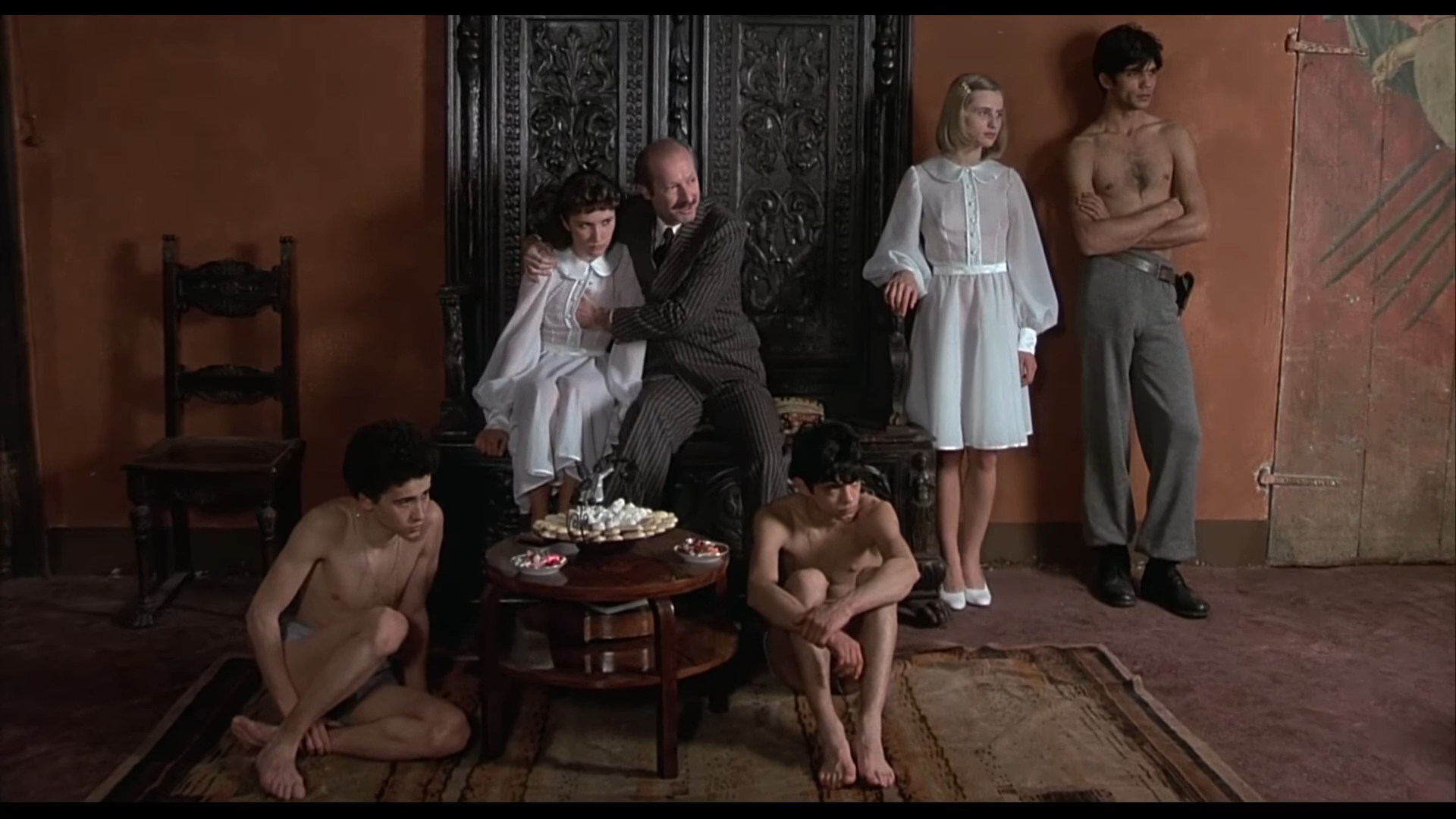
Two years later, in Forli, Casanova moves to the court of the hunchback Du Bois. During this time, he also looks after a beautiful young woman named Henrietta.
Casanova: We have too much power over women. We allow ourselves to tyrannize them, and we can do this only because they are softer, more reasonable, there is more humanity in them than in us, and what gives them an advantage over us makes them dependent on us. We are hundreds of times more cruel and unjustifiably cruel! We seem to be born to enslave and oppress.
Du Bois:A woman’s kisses are like glasses of wine. You drink and drink until you finally give up.
Casanova A man who has never said anything bad about women does not love them because in order to understand and love them you need to suffer for them. Then and only then can you find happiness on the lips of your beloved.
Du Bois: Kissing is simply the desire to absorb the object you are kissing.
Casanova: What is a kiss? Just a desire to immerse yourself in the soul of the woman you love.
The lovers swear fidelity to each other, but the next morning Henrietta disappears. Du Bois tells Casanova that an emissary from a distant court has taken Henrietta away, and she has asked that Casanova not try to follow her.
Casanova: Her place is next to me. I will get her back even if I have to fight the army of entire Europe. Where did she go? In the direction?
Du Bois: Of course: towards the Alps.
I’m leaving immediately. I have to find her.
Du Bois: Signor Casanova.
Casanova: She is the only woman I will always love.
Du Bois: I do not believe in this. I don’t believe.
Casanova attends a wild party at Lord Talu’s palace in Rome, where he takes part in an unusual bet. The debate is how many orgasms he can have in one hour. At first, Casanova is indignant and considers this an insult, but after much persuasion and praise of his bright reputation, he agrees. In the end, he wins this challenge.
Casanova: You travel through non-existent worlds. I prefer to travel in the real world.
Drunkard: But your travels are always connected with women. And this will get you nowhere.
Württemberg
Casanova moves to the court in Württemberg, hoping to be taken seriously as a writer and inventor. However, here he encounters the orgiastic and wild nature of the court, which interferes with his aspirations. His desire to do something truly meaningful is broken by the fact that people see him only as a great seducer and nothing more.
Casanova: I have a letter from Cardinal Louvier. He kindly agreed to introduce me to you. I would like to submit to Your Excellency. In my country, Your Excellency, the sea turtle is considered a symbol of long life. These are plans for defensive structures based on the principles of Democritus and Leucippus.
“silence”
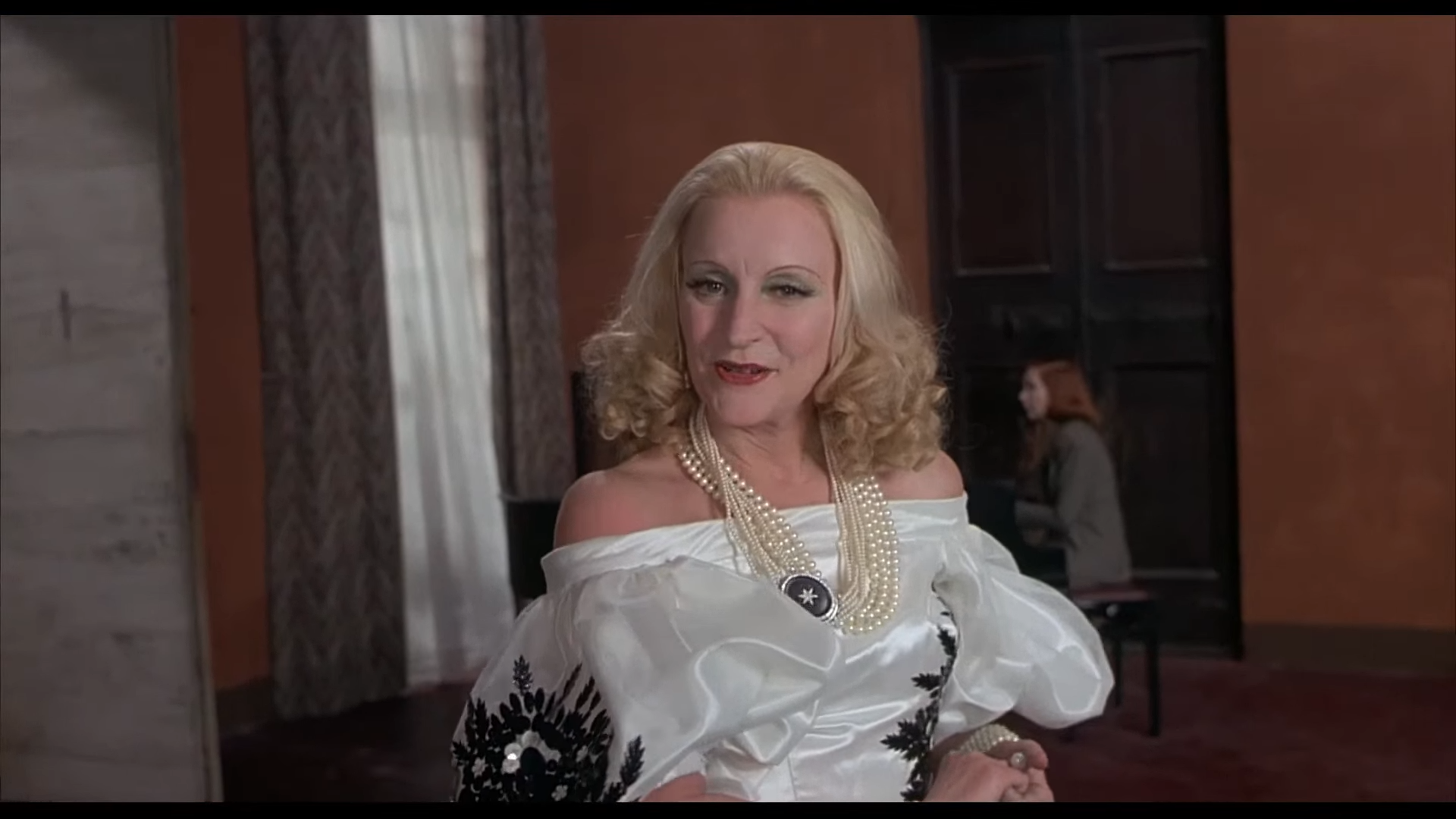
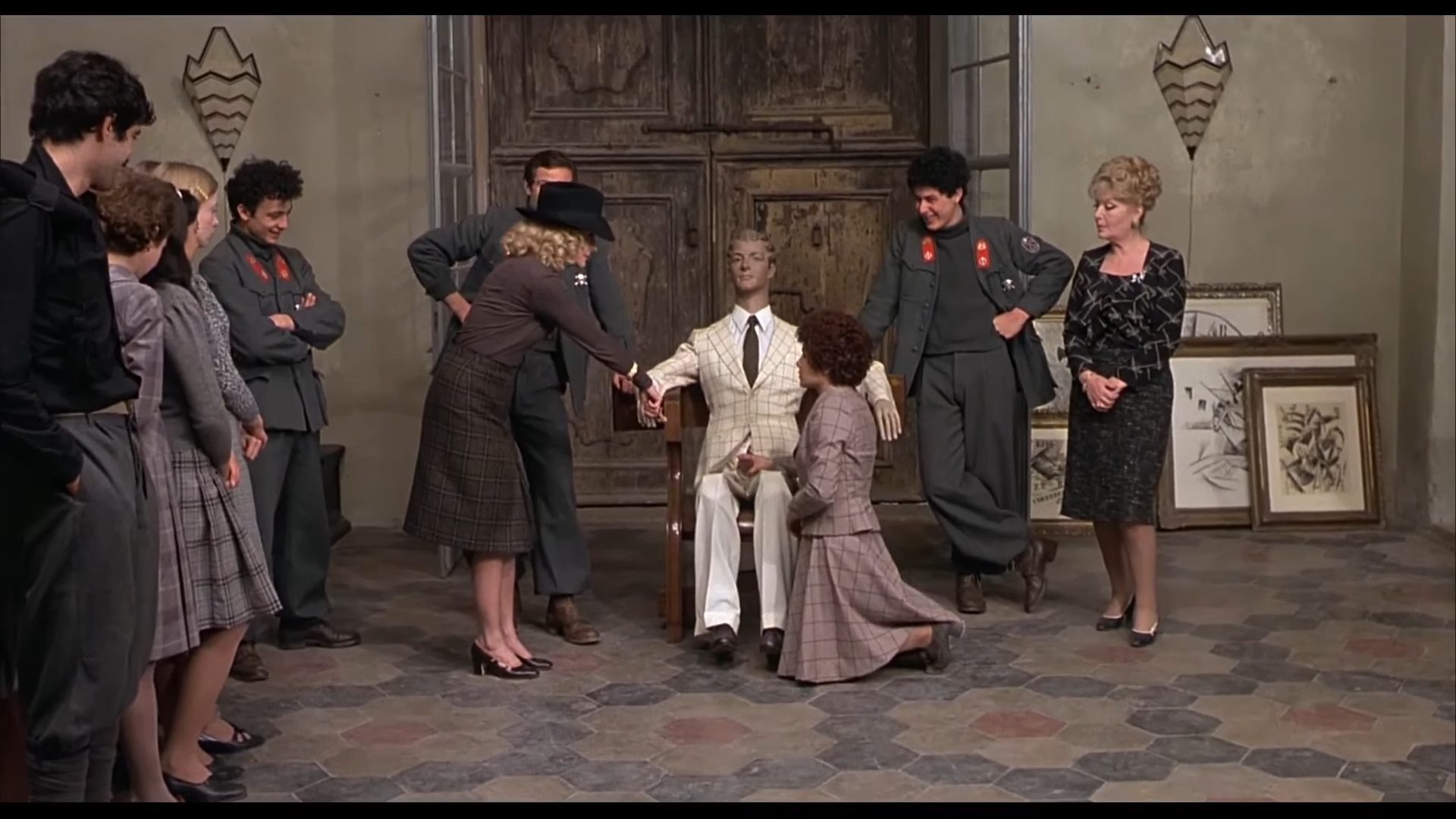
Here Casanova meets Rosalba, a mechanical doll. They dance together and then have sex.
The end of everything
Time passes, and the elderly Casanova takes the position of librarian for Count Wallenstein in his castle in Dux. Life in the castle turns out to be more than disappointing: Casanova becomes the object of ridicule and hostility from others.
Tired and exhausted, Casanova curls up in his chair and falls asleep. In this dream, he returns to Venice and is chased by the ghosts of his past lovers, but they all disappear. Soon an ornate stagecoach appears, beckoning him to join the passengers. He eventually meets Rosalba, the mechanical doll, again and they dance together.
The Gallant Age: Debauchery and licentiousness at the court of the French kings of the 17th – 18th centuries
Casanova, the famous adventurer and seducer of the 18th century, personifies the spirit of the Age of Gallantry, a period when refined manners, refined politeness and the art of seduction reached their apogee. This century, known as the Age of Enlightenment, was a time of intellectual, cultural and social transformation, and Casanova became a prominent representative of its key features.
The gallant age, the era of absolutism, was known not only for the political power of kings, but also for sexual promiscuity, which gripped all levels of society, especially the French aristocracy. The German historian Eduard Fuchs, in his book An Illustrated History of Manners: The Age of Gallantry (1913), describes this period as a time when the higher the status of the nobles, the more dissolute their morals were. Fuchs notes: “The higher we rise, the more dirt accumulates; in the courtyards it reaches the size of a real mountain.”
Louis XIV and his court
Debauchery was especially pronounced at the court of Louis XIV. Every woman who appeared at court could become an object of desire for the king. Relatives and courtiers were obliged to share their wives with the king if they interested him. Louis XIV was known for his erotomania and saw women only as sex objects. Duchess Elizabeth Charlotte wrote: “The King liked everyone, as long as she wore a skirt.”
Swinging at court
Swinging, or partner swapping, was common at court. Men often had several mistresses, and women changed partners. For example, the Duke and Duchess of Luxembourg and M. and Madame de Boufflet lived in a four-way relationship, sharing each other peacefully.
Orgies under the Duke of Orleans
The court of the Duke of Orleans, Philippe II, regent under Louis XV, was especially dissolute. Orgies became a common condition of the aristocracy, and participation in them brought glory and satisfied ambition. The Royal Palace in Paris was the main center of debauchery, where the “festivals of Adam” were held, in which ladies participated in the costume of Eve. The culmination of these celebrations was the exchange of ladies for group sex.
Perversion and debauchery
Similar orgies continued under Louis XV and Louis XVI. The most perverted methods of sexual gratification came into fashion: rape, incest, pederasty and entertainment in the spirit of the Marquis de Sade. A piquant entertainment was watching how a mistress or wife satisfied the whims of a friend or acquaintance.
Debauchery reached its apogee among the French aristocracy. This was especially evident in the circle grouped around the Duke of Orleans, Philippe II, nephew of King Louis XIV and future regent. The Duke received a very telling assessment in the epitaph for his mother: “Here lies the mother of all vices.” Under his leadership, the former bacchanalia turned into constant orgies.
This orgy began with his regency in 1715 and quickly became a daily practice for the aristocracy. Participation in it brought fame and satisfied ambitions. Love affairs have become fashionable and public, and licentiousness has reached unprecedented levels. At the center of this madness stood the regent himself, who issued only one law in eight years: “Let’s have fun!”
These entertainments included the most base and bestial methods. Everything happened quickly: in the morning people got acquainted, and in the evening, disorderly sex began.
Monasteries, especially women’s monasteries, turned into houses of debauchery. The abbesses not only did not interfere with wild life, but they themselves set an example. For example, Duchess Palatine Louise Hollandina, head of the monastery in Montbuisson, gave birth to 14 children from different fathers and was openly proud of it.
The nuns took part in orgies and often organized them themselves right within the walls of the monasteries. Behind the harsh rules of the order hid the same “gallant age” with all its depravity.
Conclusion
According to Federico Fellini, he did not like Casanova. Only as filming progressed did the director’s attitude toward the character shift from outright hostility to sympathy: Fellini recognized him as a man whom fate had deprived of the ability to love. In fact, the “loving” Casanova did not like the women he dated. He could feign love, but he only experienced physical attraction. Therefore, his love vows in the film alternate with orgies where there is no place for feelings.
Orgies in the film represent a symbol of emptiness and despair. Casanova participates in them, trying to fill the inner emptiness, but each time he remains unsatisfied. This desire for physical pleasure without emotional connection highlights his inability for true love and intimacy.
Casanova’s relationship with a doll in the form of a woman symbolizes his life filled with illusions and artificiality. For those around him, he is the greatest seducer, but in reality he is a deeply unhappy person. The doll is a metaphor for his unfulfilled aspirations and unmet needs for sincere love and understanding.
The film “Casanova Federico Fellini” is one big attempt by Casanova to find happiness and sincere love. Instead, he constantly makes the same mistakes in an effort to maintain his image. In the end, he finds himself a prisoner of his illusions and cannot go beyond his own fantasies. His story is a tragic example of how outward charm and success can hide deep inner loneliness and unhappiness.
Orgies in Ancient India: How Tantra and Temple Rituals Turned Sex into a Path to Spiritual Enlightenment
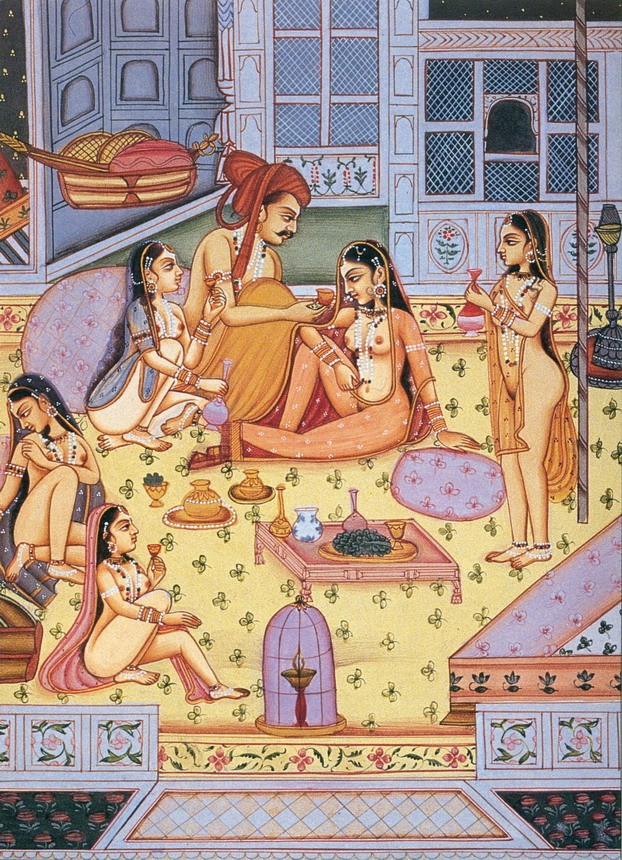
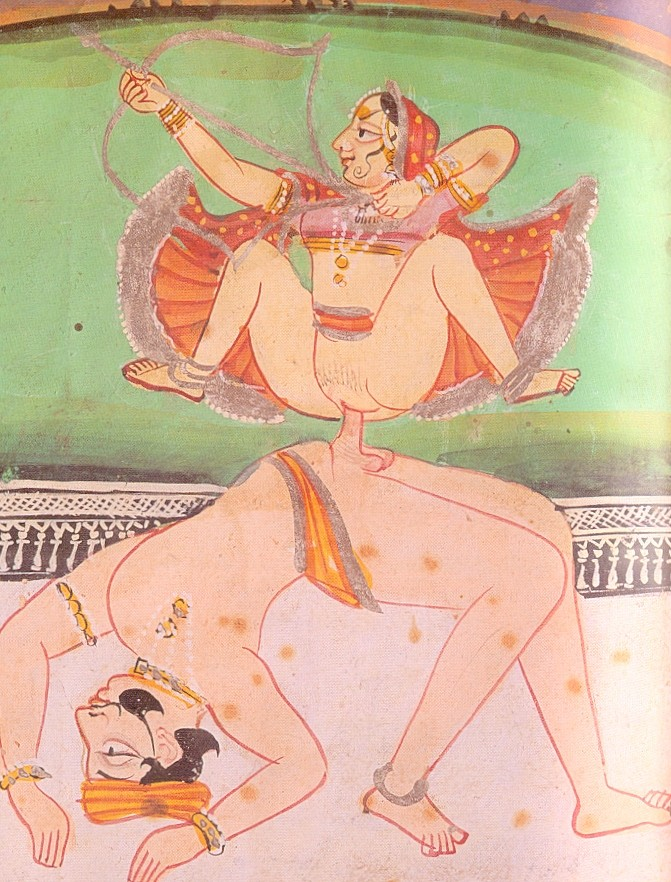
Ancient India is famous not only for its philosophical and religious teachings, but also for its unique view of sex, which was considered one of the most important elements of spiritual practice. In this context, a special place is occupied by tantra, temple rituals and cult orgies, which were complex and multifaceted ways of achieving enlightenment.
Tantra: Sex and Magic as a Path to Spiritual Enlightenment
Tantra is not just a set of sexual techniques, but a whole philosophy based on the interaction of the masculine (Shiva) and feminine (Shakti) principles. According to tantric texts, the highest state of consciousness is achieved through the union of these energies in a sexual act that can last for hours or even days. In this case, the goal is not a physical orgasm, but a redistribution of energy that rises up the spine, activating the higher centers of consciousness. This ritual connection, according to tantric adherents, allows you to go beyond the physical and touch the divine.
The sexual orgies described in some tantric texts represent more than just pleasure. They are part of a ritual in which groups of men and women come together to create a powerful energy field. This ritual, known as the Maha Yuj, can involve dozens of participants, each seeking maximum fusion with their partners, which is believed to lead to enlightenment and awakening of the kundalini, the dormant energy located at the base of the spine.
Temple bas-reliefs: Depiction of sexual orgies in stone
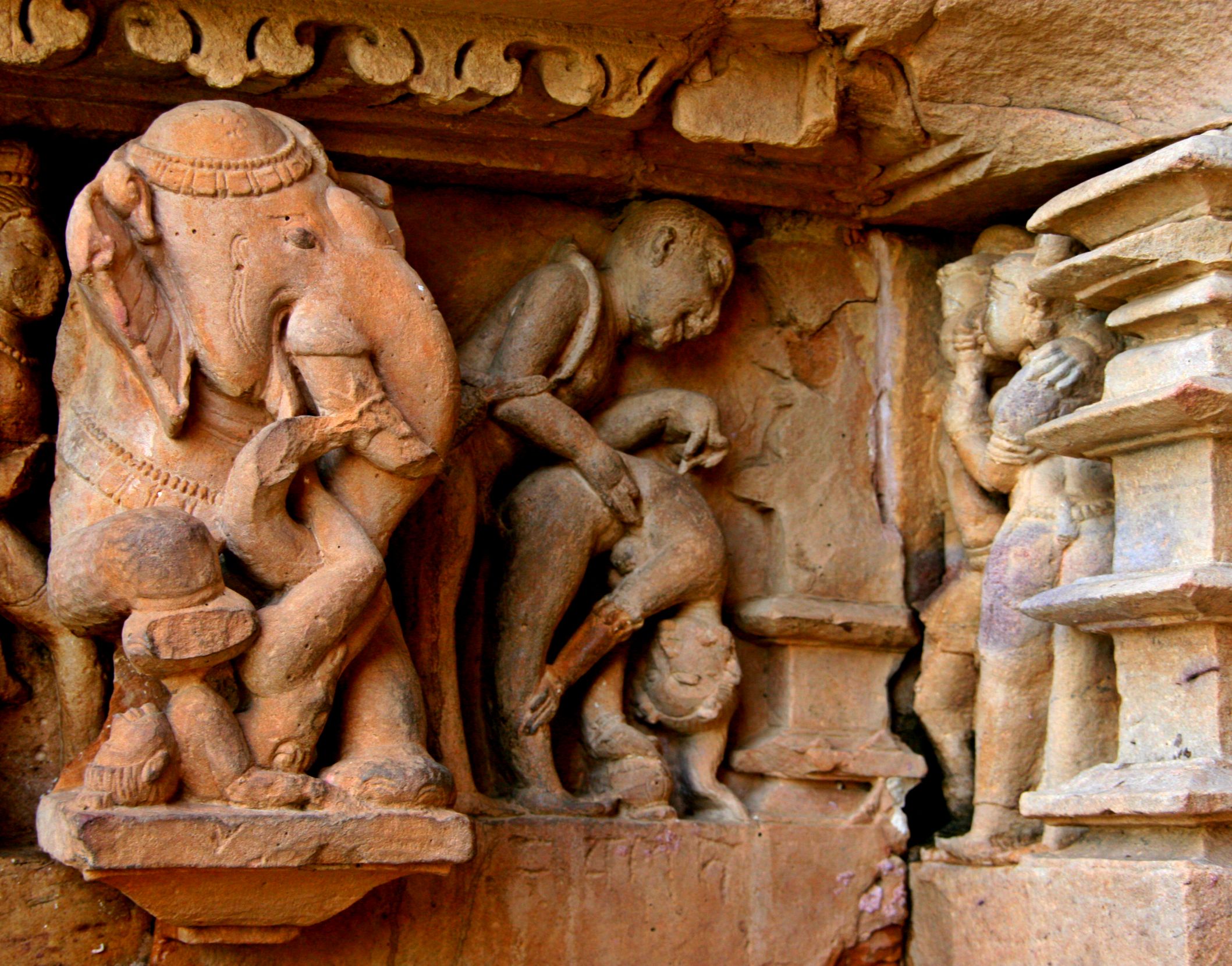
Ancient Indian temples often served not only as places of worship, but also as original “textbooks” on sexual magic. On their walls you can find many scenes depicting sexual orgies with the participation of gods, people and even animals. For example, in the Sun Temple in Modera you can see images of group sex, where several men and women are combined in complex compositions.
The most striking example of such temple art is the Khajuraho complex. Between the 10th and 11th centuries, 85 temples were built here, of which only 20 have survived to this day. Their outer walls depict all aspects of the sexual life of ancient Indians: from classical scenes to images of oral sex and even scenes involving animals.
Virupaksha Temple
Temple in Khajuraho
Researchers Kaustav Chakraborty and Rajarshi Guha Thakurata, in their article “Indian Concepts of Sexuality,” note that nudity in art was the norm in ancient India. This was especially common in the southern regions, where, due to the tropical climate, clothing was not a necessity. According to them, some of the most famous works of art were created in the 10th-12th centuries, freely depictingdepicting romantic scenes. One of the best examples of this is the Khajuraho complex.
Devadasi: From temple dancers to participants in ritual orgies
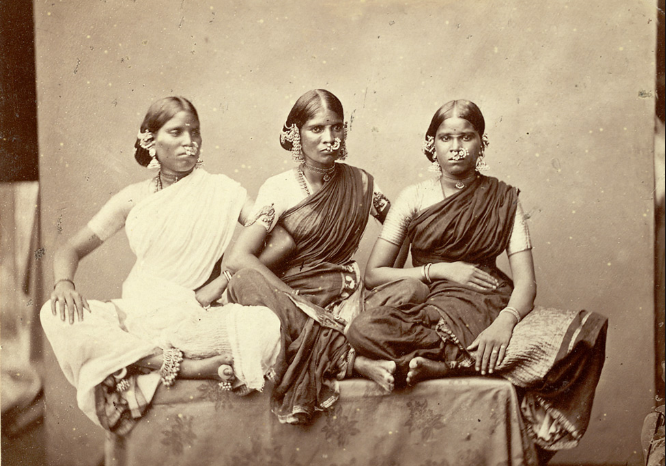
The tradition of devadasis – girls who dedicated their lives to serving in temples – is also associated with ritual orgies. Initially, devadasis played the role of dancers and singers, but over time their function expanded and they became participants in sexual rituals. Some sources say that devadasis participated in orgies with priests and rich pilgrims, which was seen as a way of transmitting divine energy.
Rituals involving devadasis were often performed in honor of specific deities and included elaborate dancing, singing and sexual activities that symbolized the fusion of the divine and the human.
Chakra-puja: Secret night orgies as a form of religious practice
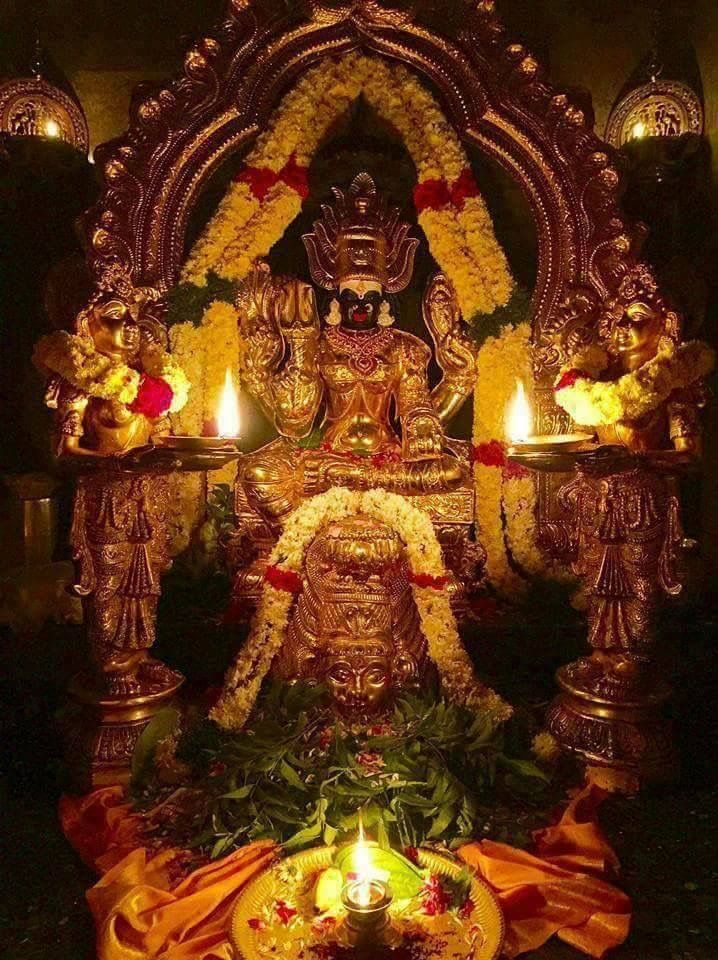
Chakra puja, or “circle worship”, was an ancient spiritual ritual aimed at achieving a higher state of consciousness. This ritual was carried out in strict secrecy and attracted people from different walks of life. During the ceremony, participants gathered in a circle at night. Women took off their choli (outer garments) and put them in a common pot. The men would then randomly pull out one of these cholis and choose a partner for the night.
The ceremony began with breathing exercises that helped participants focus and activate their internal energy, called kundalini. In the center of the circle was a young virgin, symbolizing powerful feminine energy – Shakti. The leader of the ritual, who was called chakresvara, gave her special honors, considering her as the embodiment of divine power.
Then the yogini, possessing a high level of spiritual initiation, alternately entered into sexual relations with men in the circle. These men transferred the received energy to their partners, creating a strong flow of energy that could be directed towards achieving certain magical goals.
Chakra puja was not just an act of sexual pleasure. This ritual used sexual energy as a powerful tool to achieve spiritual and magical development. Participants believed that by breaking traditional religious and social taboos, they could achieve special states of consciousness and use the resulting energy for specific purposes, such as increasing power or winning battles.
Conclusion
In ancient India, sexual orgies and rituals were not only considered normal, but were also celebrated as important aspects of spiritual life. These practices served to achieve personal enlightenment and create a powerful energy field that participants believed connected them to the divine. The main goal of such rituals was to achieve a higher state of consciousness through the harmonious fusion of male and female energies.
The sexual orgies and rituals described in the tantric texts were not mere pursuit of pleasure. Their meaning was to activate and redistribute energy, which, it was believed, could awaken spiritual powers and lead to enlightenment. Temple bas-reliefs and ancient ritual practices clearly show that sexuality was perceived as a powerful means for sacred purification and transformation of consciousness.
Today we see a paradox: what was once considered sacred and necessary for spiritual growth is now condemned more than truly terrible acts. Sex, which was originally perceived as a means to spiritual enlightenment, is now often condemned more than evil. This shift in perception raises questions about how moral and cultural norms change over time.
Thus, ancient Indian practices of sex magic and ritual orgies represented a unique path to spiritual enlightenment, connecting the physical and spiritual, intimate and divine. These rituals served not only to satisfy carnal desires, but also to achieve higher goals that contributed to the transformation of human consciousness.
Orgies and rituals in ancient Sumer: Sacred rites and carnal pleasures
Ancient Mesopotamia, located between the Tigris and Euphrates rivers, was a place where religion and everyday life were closely intertwined. Prostitution and orgies occupied an important place in this society and played not only the role of physical gratification, but were also part of complex religious rituals and rites through which people sought to unite with the deities and receive their blessings.
Religious Orgies: Connection with the Goddess Inanna and Fertility Rituals
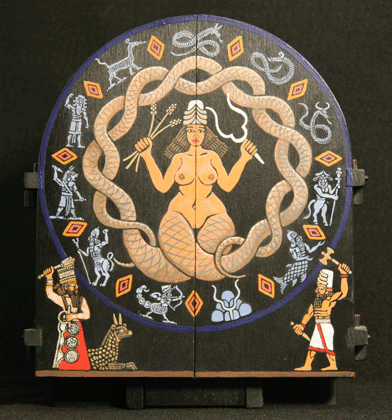
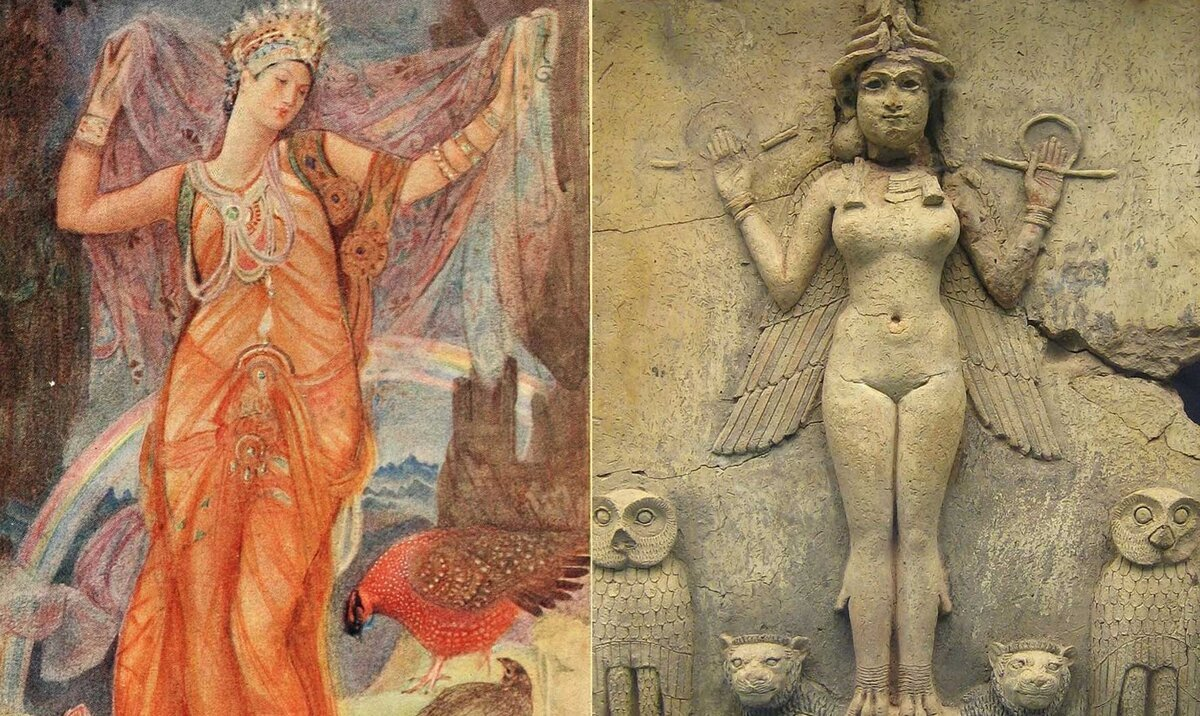
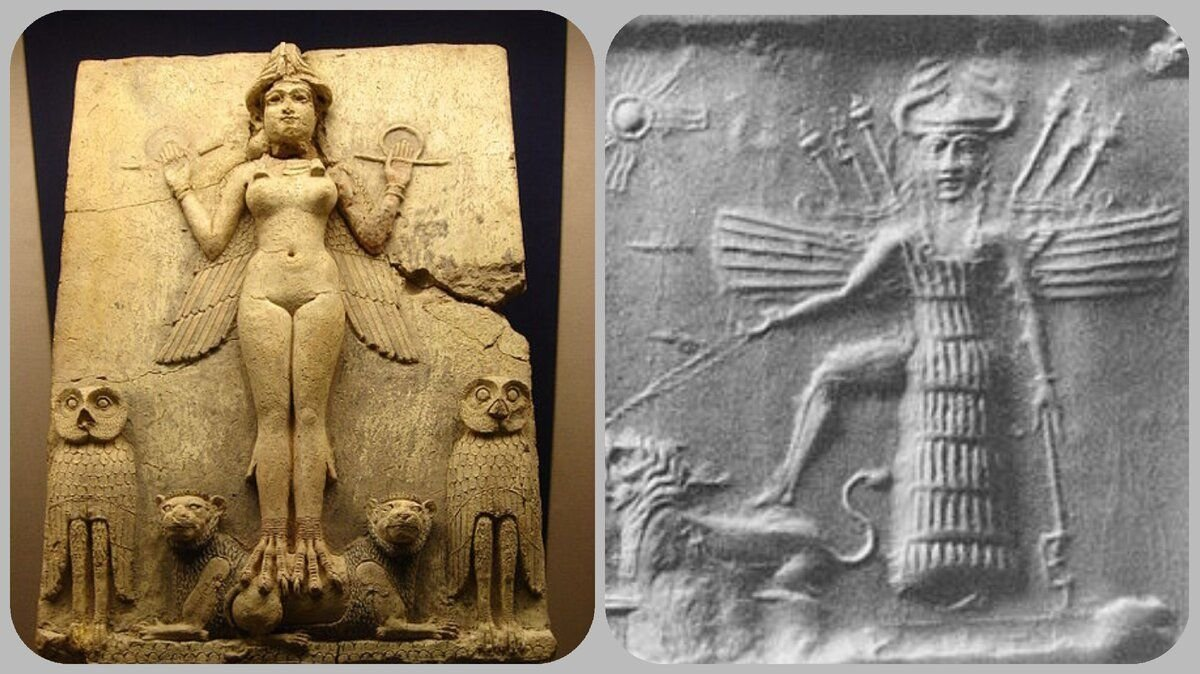
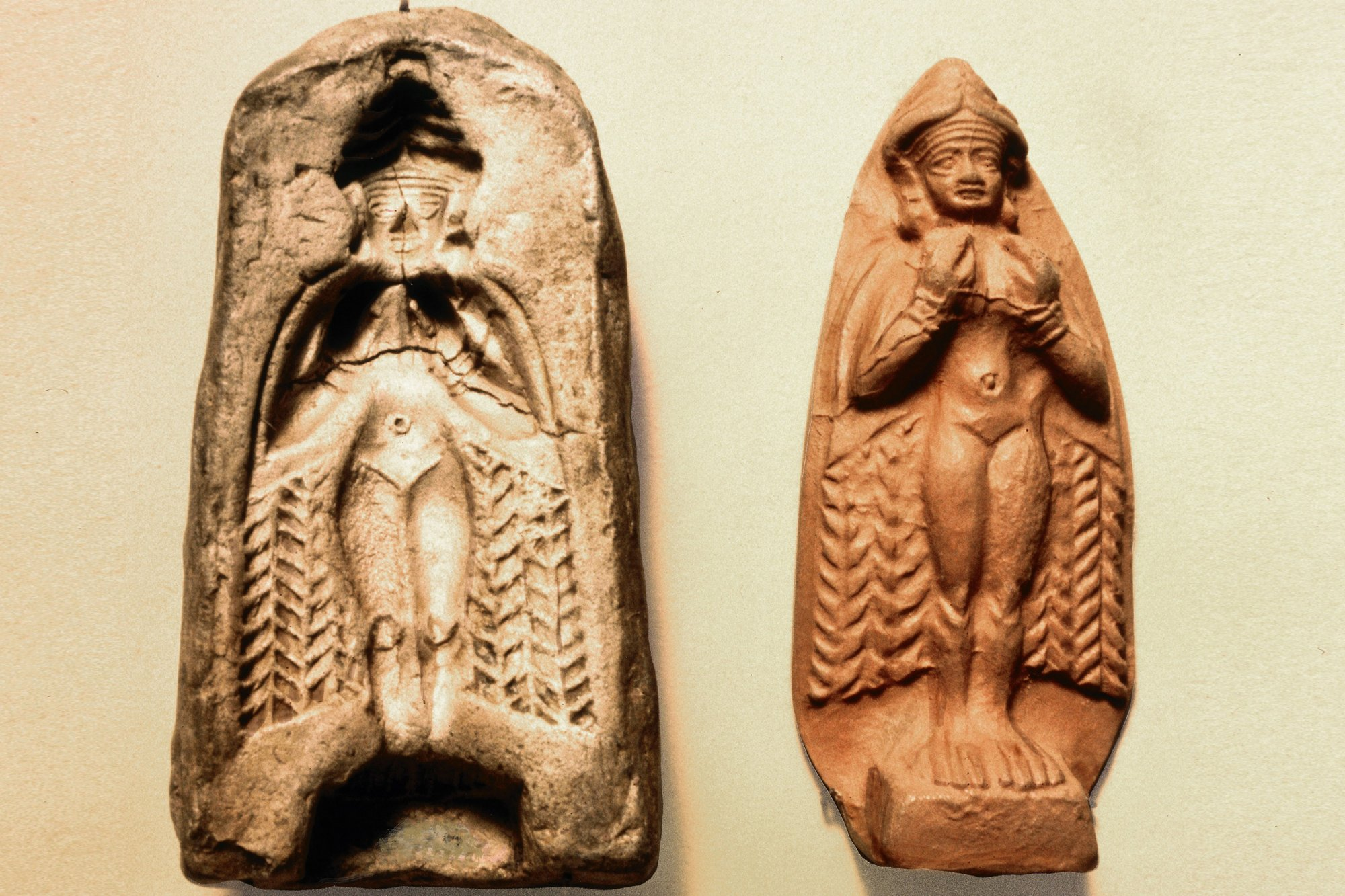
One of the central elements of religious life in Mesopotamia was the goddess Inanna (in later times known as Ishtar), the deity of love, fertility, sex and war. Inanna played a key role in religious rituals, including orgies and sexual acts that symbolized her power and influence.
The most famous ritual was the sacred wedding, in which the king of the city-state symbolically married the goddess Inanna through ritual sex with the high priestess. This act was considered a guarantee of prosperity and fertility for the entire kingdom. The king, representing the god Dumuzi (Tammuz), the masculine principle, united with the priestess representing Inanna to ensure the harvest, protection from enemies and the well-being of the people. This ritual was also considered an act of renewal of the king’s power, confirming his connection with the divine principle.
Orgies in honor of Inanna were held not only in temples, but also in open spaces during holidays, when men and women indulged in carnal pleasures, dedicating them to the goddess. At these moments, social barriers were temporarily erased: free and slaves, rich and poor, priests and commoners could participate in these rituals equally. The importance of such orgies in religious rituals highlights how strong the connection was between sexuality and spirituality in ancient Mesopotamia.
Orgies in taverns and their role in everyday life
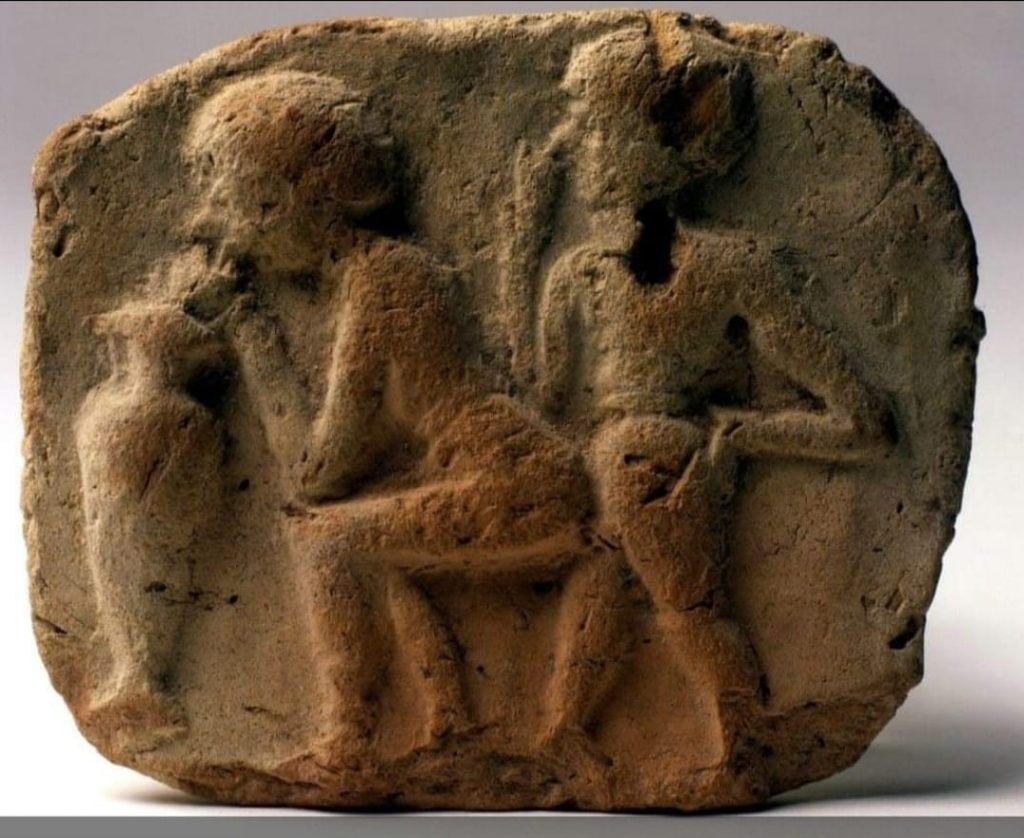
Taverns were another place where orgies were held. In ancient Mesopotamia, taverns were typically run by women and were places where prostitution and sexual orgies were commonplace. These establishments were not only places for drinking, but also centers of sexual entertainment. Orgies in taverns often occurred spontaneously, when patrons, under the influence of alcohol, indulged in promiscuous sex.
The association of taverns with the goddess Inanna and the practice of orgies is reflected in Sumerian texts. In one of the hymns, the goddess says: “When I sit at the tavern gate, I am a prostitute familiar with the penis; friend of man, friend of woman.” These lines not only describe the behavior of the goddess, but also show how deeply such orgies penetrated into the lives of people, becoming part of their religious and cultural traditions.
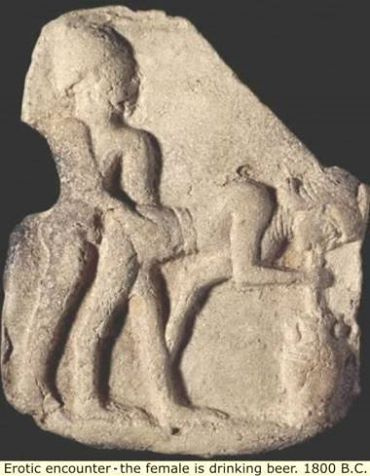
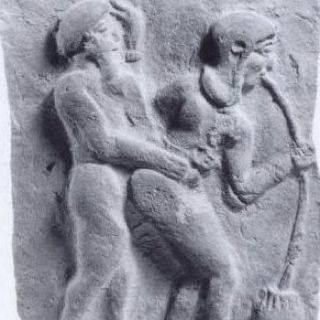
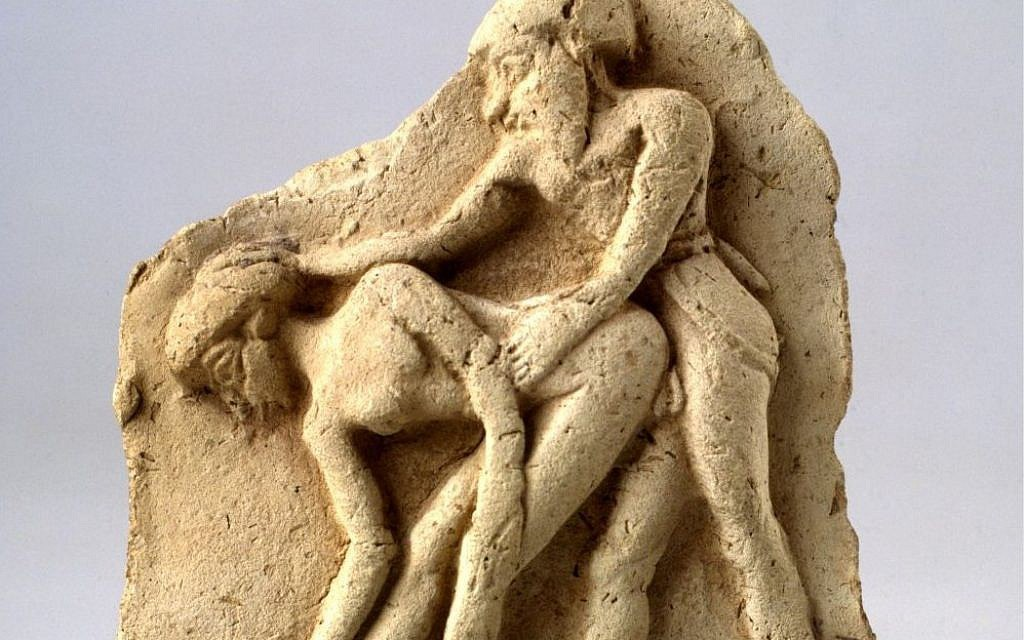
Images found on clay tablets often depict scenes of women sitting in taverns having sex while drinking beer through a straw. These images, according to research, symbolize the connection between alcohol and sexual activity, which was part of everyday life in Mesopotamia. Orgies in taverns and other public places reflected public acceptance and approval of such practices, which were considered not just entertainment, but also an important part of religious life.
Orgies in honor of Ishtar: The transition from temple prostitution to mass celebrations
Gradually, the cult of the goddess Ishtar spread to more widespread holidays, where orgies began to play a key role. For example, at festivals in honor of Ishtar, which took place in Babylon, participants not only made sacrifices, but also participated in mass sexual acts symbolizing the fertility and power of the goddess.
The ancient Greek historian Herodotus describes a custom associated with the Temple of Ishtar in Babylon, where every woman had to surrender to a man once in her life in the sanctuary of the goddess. Although some scholars have questioned the accuracy of this description, it does reflect the idea that sexuality and orgies played a central role in religious practices associated with Ishtar.
Sex in honor of Ishtar was not limited to rituals for the chosen few, such as the sacred wedding of the king and priestess. On certain days of the year, especially during the spring equinox, when the rebirth of nature was celebrated, the temples of Ishtar and the surrounding areas turned into centers of celebrations, including orgies, symbolizing the awakening of vital forces. These holidays became mass events that attracted residents of surrounding towns and villages.
Conclusion: Orgies as an integral part of life in Mesopotamia
Orgies and prostitution in ancient Mesopotamia were not only acceptable, but also actively encouraged in both the religious and social spheres. These practices played an important role in maintaining connections between people and deities, and also served as a way to strengthen social cohesion. Whether sacred rituals in temples, mass celebrations or ordinary nights in taverns, orgies were an integral part of the life of the ancient Sumerians, Babylonians and Assyrians, reflecting their worldview in which the physical and spiritual, the earthly and the divine were closely intertwined.
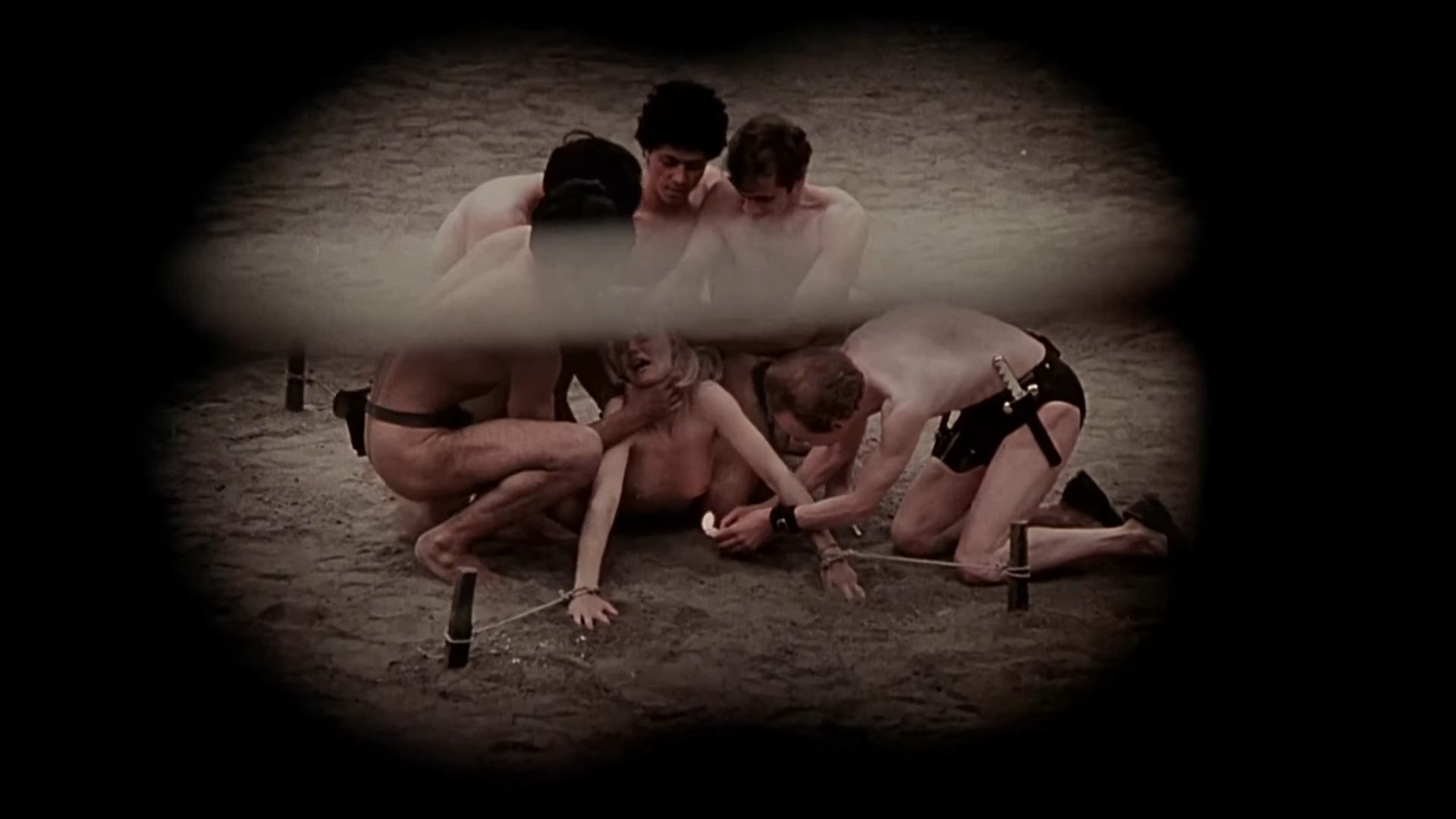
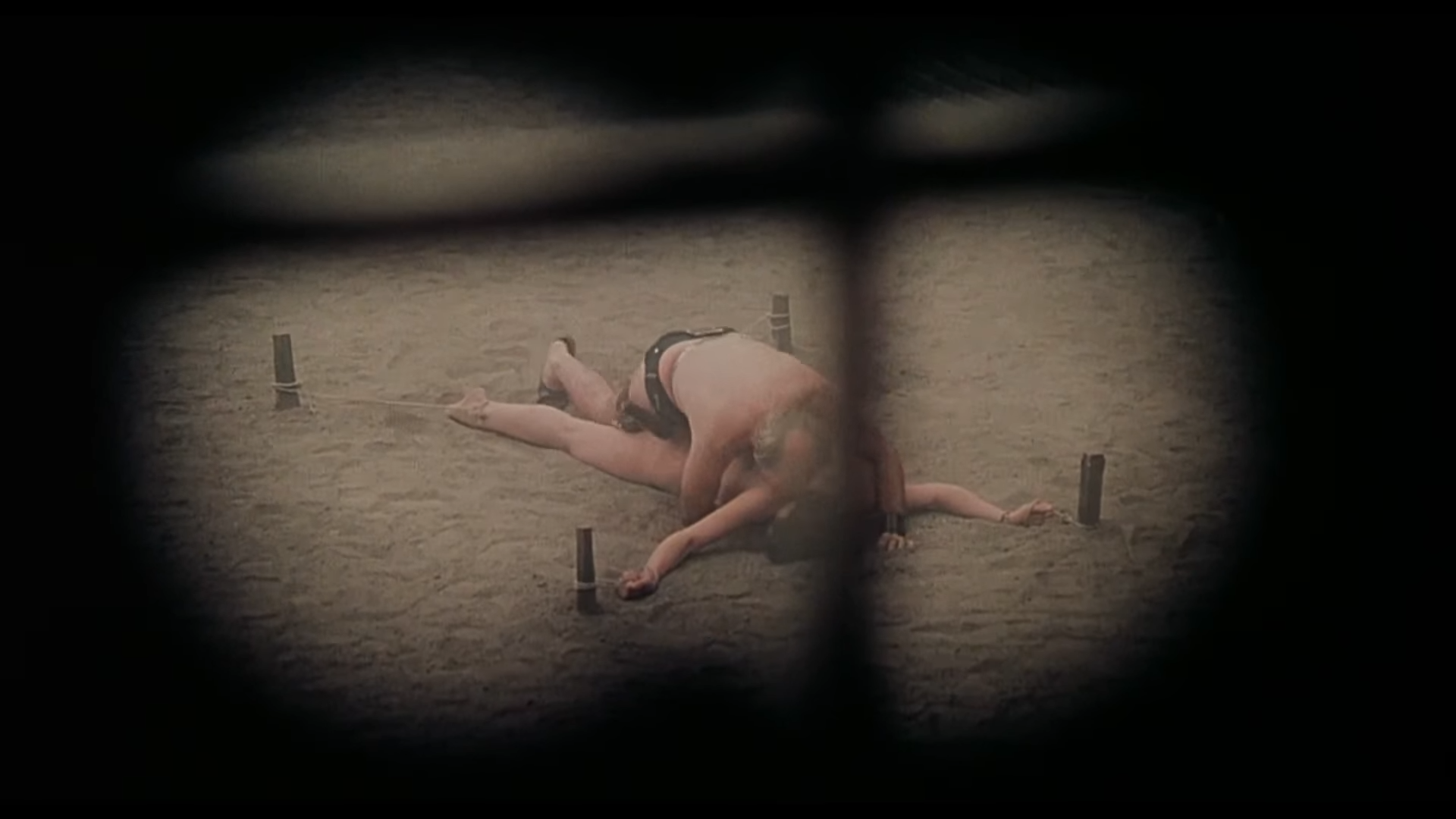
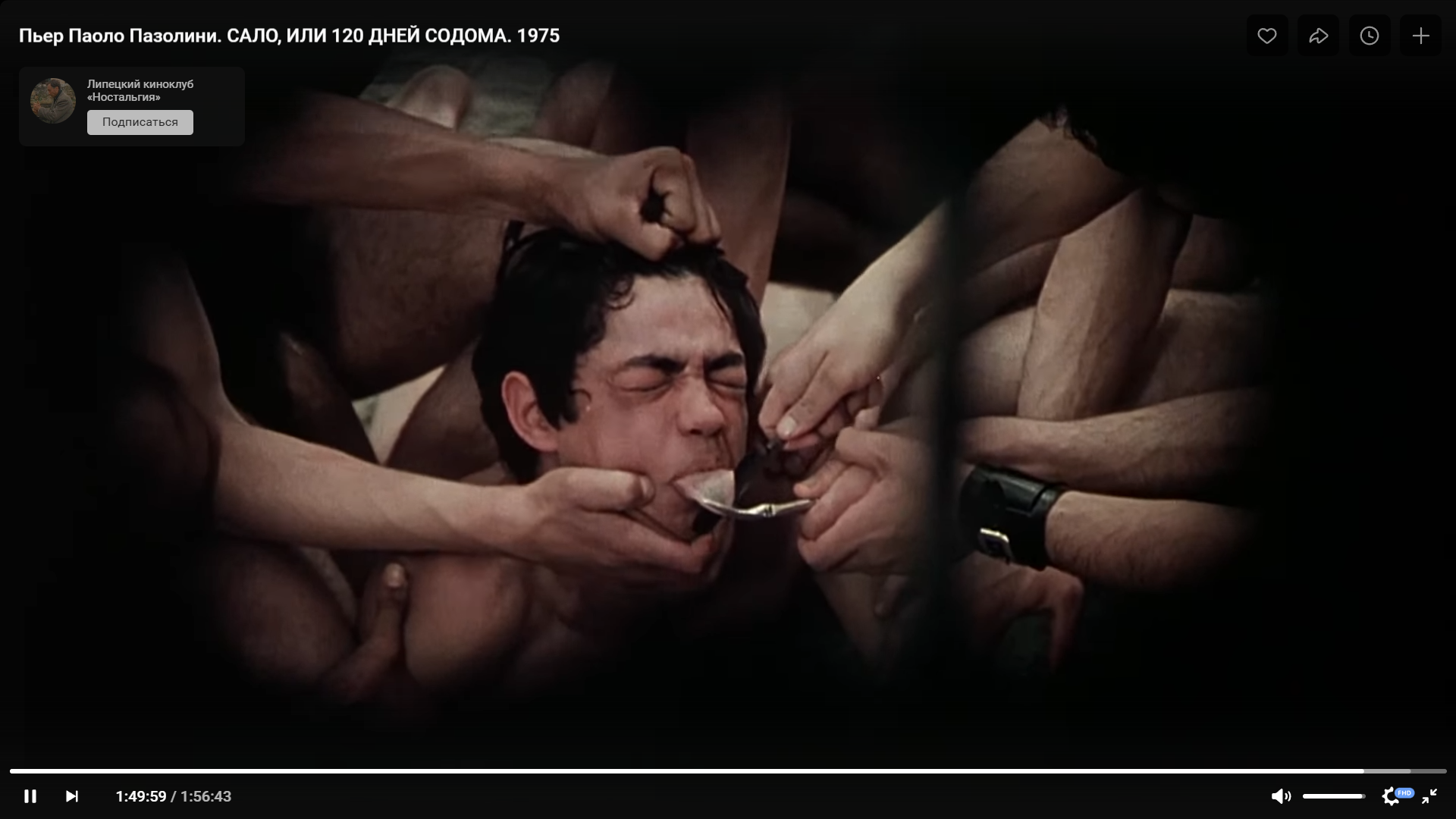
“The art of debauchery: Orgies in the film ‘Salo, or the 120 days of Sodom'”
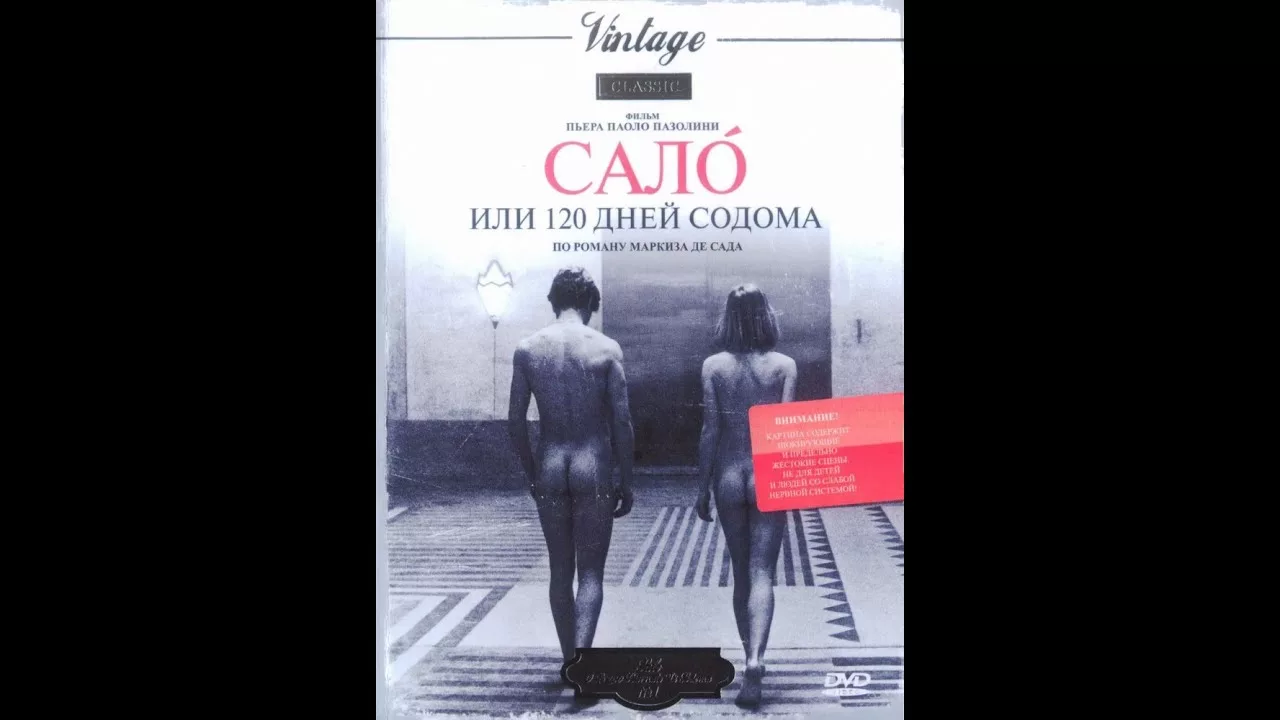
“Salò, or the 120 days of Sodom” (Italian: “Salò o le 120 giornate di Sodoma”) is a film directed by Pier Paolo Pasolini, released in 1975. It is based on the book of the same name by the Marquis de Sade and takes the action to Italy during the Second World War. The film is notable for its frankness and brutality, and is considered by many to be one of the most shocking films in cinematic history.
This film was the last and most scandalous work of Pasolini, released after the tragic death of the director.
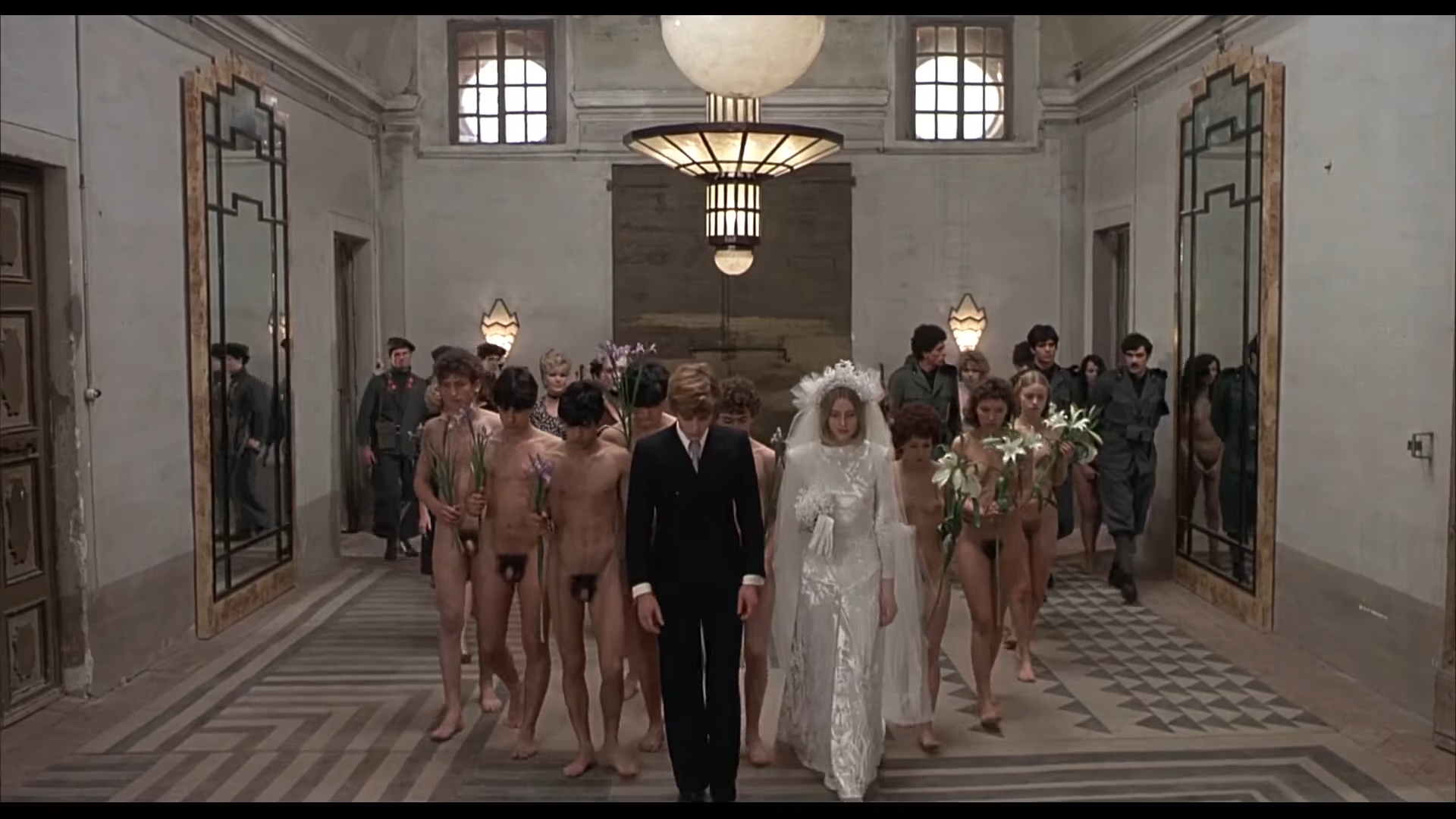
Pasolini moves the action to 1944-45, to the fascist “Republic of Salo” in northern Italy, where a group of people from high society, led by a prince, humiliates, mocks, torments, tortures young men and women gathered to please the perverted elite, who feel their death. This execution lasts four months. For adults, this is the last opportunity to satisfy their baser instincts; for young people, it is a reckoning for their youth and desire to live. As you know, “Salo or the 120 Days of Sodom” caused a huge scandal not only in Italy, but also in Europe. Most cinemas refused to release the film, citing the presence of sadomasochistic scenes in the film.
Orgies in the film, meaning and symbolism
Orgies in the film “Salo, or the 120 Days of Sodom” play a significant role and carry deep symbolism that surpasses simple shock. Pier Paolo Pasolini uses these scenes to convey several important ideas and critiques of modern society.
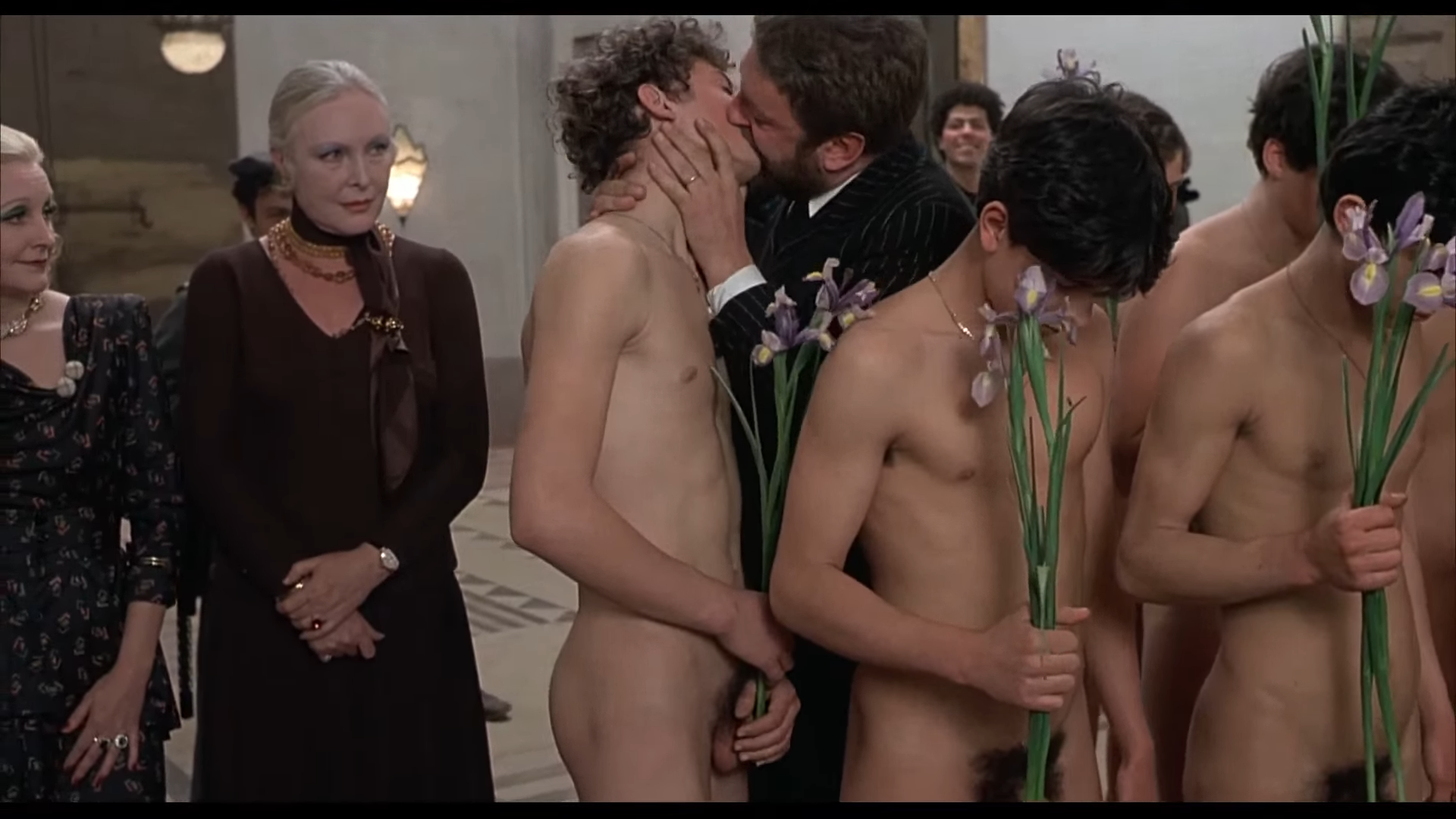
The orgies in the film symbolize the absolute power and control of the fascists over their victims. They demonstrate how power can be used to dehumanize and completely subjugate. Young people are deprived of their freedom and forced to participate in these acts of violence and humiliation. Pasolini clearly condemns the fascist regime, presenting it as the embodiment of extreme cruelty and inhumanity.
They serve as a metaphor for fascist ideology, which seeks to control and destroy individual personality. People in orgy scenes are depicted as objects devoid of dignity and humanity. This shows how fascism and other totalitarian regimes view people as means to achieve their ends.
Orgies in the film are presented as an extreme degree of moral corruption and perversion. Pasolini explores how those in power can lose all moral and ethical standards, indulging in their darkest desires and fantasies. It reveals the limits of human freedom and will, demonstrating how they can be destroyed under conditions of extreme violence and suppression.
Thus, the orgies in Salo, or the 120 Days of Sodom not only shock the viewer with their brutality, but also represent a profound analysis and criticism of power, morality and human nature in conditions of extreme violence.
Plot:
The scene opens with a shocking kidnapping of young men from the streets, herding them into cars without explanation, like cattle. It subsequently turns out that important and seemingly educated officials are ransoming these young people from the criminals. Each girl and guy undergoes a strict selection process, where their education, physical condition and even psychological stability become the subject of attention. Dignitaries discuss their qualities and shortcomings, as if evaluating goods on the market.
The action moves to a luxurious villa, where former street thugs perform in front of guests in military uniform with machine guns, playing the role of guards.
Act I: Ante-inferno
For decent children caught in this nightmare, it becomes clear that something terrible awaits them. One of them dies trying to escape, and the other girl, having lost hope, commits suicide. Officials proclaim themselves to be teachers, and the children of the elite are toys in their hands. Street hooligans become assistants to officials or their tools.
For the “offspring” of the elite, a real nightmare begins: new rules of life and moral guidelines are dictated to them. They learn that everything that previously seemed unacceptable to them is now considered normal. These new “laws of life” come from the maxim: “Everything that is excessive is good!”
You are weak creatures meant for our pleasure Don’t expect to find here the freedom granted in the outside world You are outlawed No one knows that you are here To the outside world You are already dead But the laws that will govern your lives are in place At six in the afternoon the whole company will gather in the “Orgy Hall” … … where our storytellers … … will tell us stories, each with its own specific theme We have the right to interrupt them at any time The purpose of the stories is to arouse lust, everything will be resolved After dinner, we will hold so-called orgies. The large hall will be warmed up. Participants, accordingly, will be prepared… … lying on the floor, like animals… they will all be engaged in… criminal, incestuous and homosexual copulation.
“..”
Any person who engages in vaginal intercourse with a woman… … will be punished by the loss of a member. Any religious act will be punishable by… … death
Act II: Circle of Mania
The second act focuses on the stories of the first woman, Madame Castel. She shares her stories of sexual perversions and fantasies that she experienced in her youth. These stories inspire fascists to repeat similar acts on their victims. Young people are subjected to sexual violence, humiliation and physical torture.
I’ll show you something you’ve never seen.” I followed him into the room. He pulled his huge dick out of his pants and started masturbating. “Have you ever seen anything like this? I showed this to your sister and girls your age. Give me your hand and cause the eruption of the sperm from which we are all created. I’ll blow it on your face. This is my only passion, my child… … and you will look at it.” At that very moment… … I was splashed with a white stream that wet me all over.
Act III: Circle of Shit
The third part of the film is presented by the same prostitute of the second woman, Mrs. Maltevi, who talks about her experiences with coprophilia and other disgusting acts. The fascists begin to introduce these elements into their cruel games, forcing victims to eat excrement and participate in humiliating acts.
I was nine when my sister brought me to Milan to Signora Calzetti She examined me and asked if I wanted to work for her I said yes, if the pay was good My first client, named Vaccari, examined me carefully I immediately showed him my pussy, which I thought was special. He closed his eyes and said: I’m not interested in your vagina, close it. He laid me down, covered me… and said: “All these little whores think they have to show off their vaginas. Now I will rid you of this disgusting delusion” He wrapped me in a sheet, like a mummy… leaving only my ass uncovered He caressed it gently, opening and closing the anus… began to passionately lick it Then he carefully… … placed his dick between my buttocks and his movements became frantic “What a delicious ass, sweet little asshole. Now I will lubricate it “He said this three or four times. I never saw him again.
Act IV: Circle of Blood
The last part of the film is based on the stories of the third woman, Mrs. Maggi. She describes scenes of extreme violence and torture. In this part, the fascists move on to more brutal and deadly torture, including torture with fire, knives and other instruments. The film ends with scenes of extreme violence and murder of the victims.
He has a house near Milan, which he uses exclusively for pleasure. At his parties, there are at least fifteen girls… … ranging in age from fifteen to seventeen. They are specially selected and must appear completely naked.
“..”
In the basement, a masked executioner with the devil’s emblem… … controls terrible machines. After all the girls end up in the basement, our hero… is very excited, because after fucking many he never came. A huge penis protrudes from his naked body. All the machines start working… all the torture begins at once, with a terrifying loud screeching sound. The first device is a huge wheel with blades, to which a girl is tied, and she is being skinned alive. Another girl had a live rat inserted into her vagina. Oh God, why did you leave us? A reasonable person… … is not satisfied with just killing. He commits murder in an elegant manner.
Final scenes
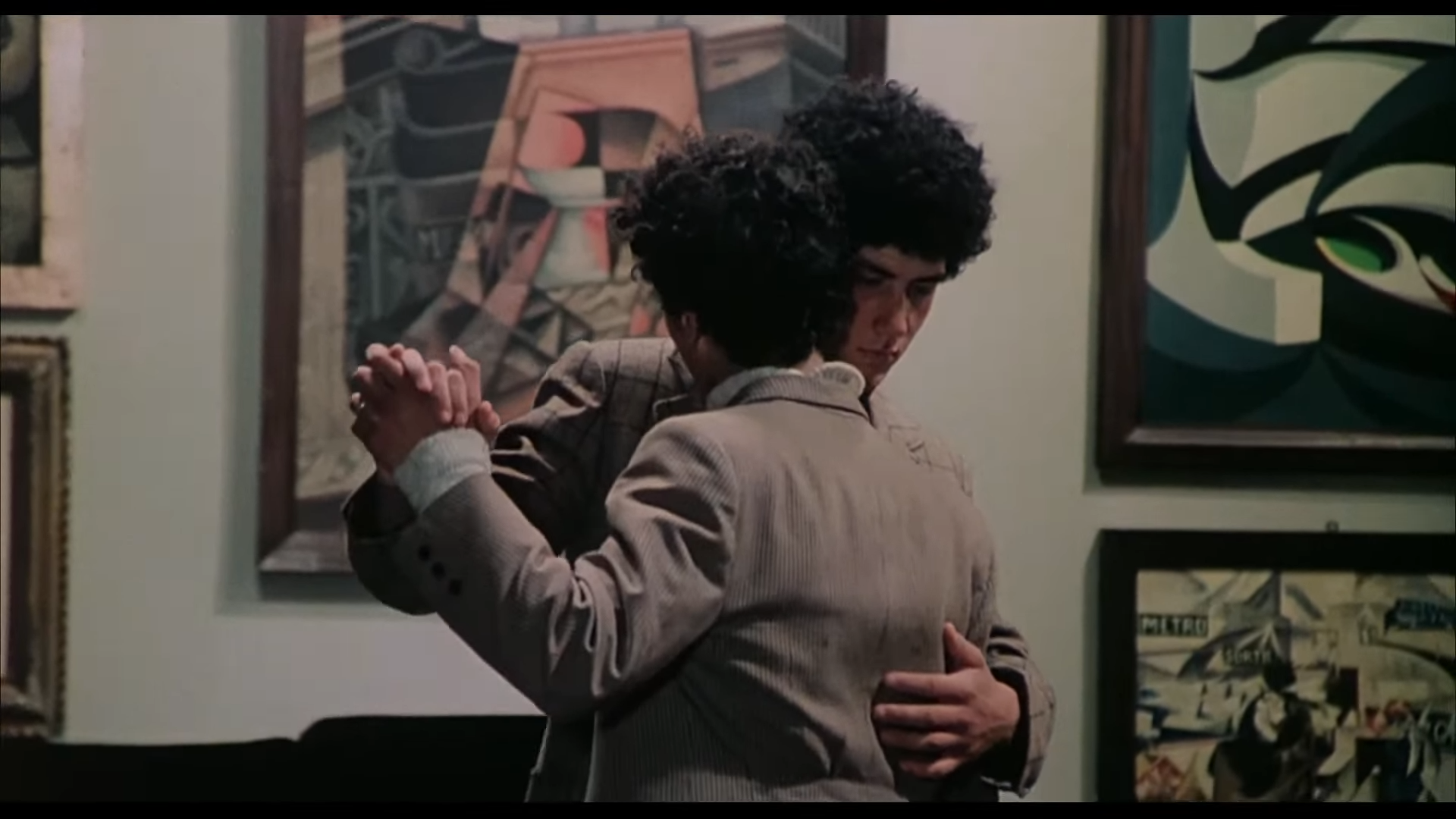
The film ends with the Nazis watching the torture and murder through binoculars, remaining indifferent and cold-blooded. Scenes of violence are accompanied by the sounds of music and dancing, which emphasizes the absurdity and inhumanity of what is happening. In the final scene, two young soldiers dance as if nothing had happened, showing complete indifference to the suffering of the victims.
Result:
The film “Salo, or the 120 days of Sodom” is a cruel and shocking allegory that reveals the nature of power, degradation and human cruelty. The young people, victims of the perverted and sadistic games of the nobles, represent the embodiment of innocence and the natural desire for life and freedom. Their torment and suffering show the extent to which powerful and inhuman individuals can use their power to satisfy their perverted desires and demonstrate their superiority. As a result, the film leaves the viewer with a feeling of deep anxiety and reflections on the dark sides of human nature and the boundlessness of sadism, when the lives of others are seen only as a means to achieve one’s own goals and lustful desires.
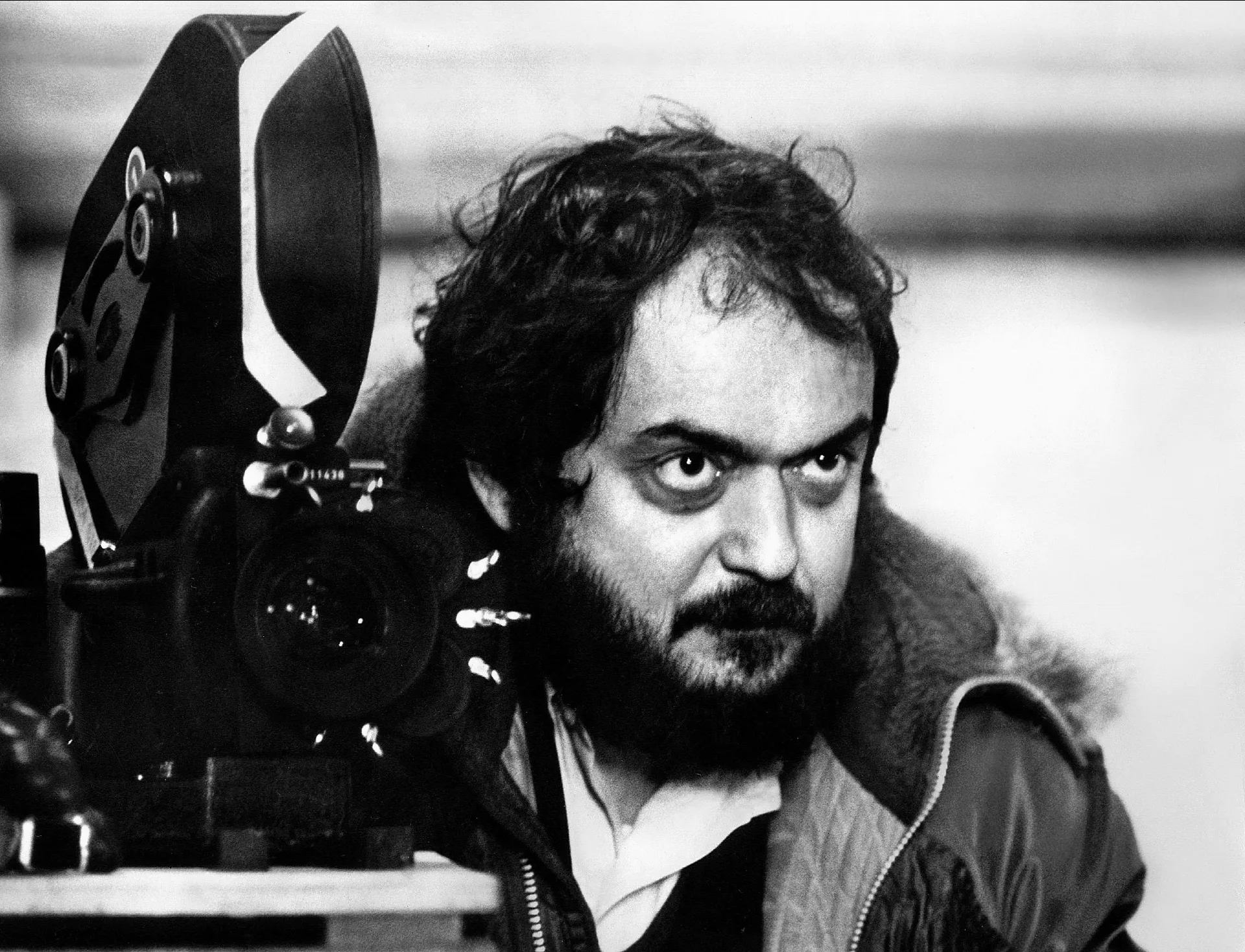
Orgies in the film “Eyes Wide Shut” by Stanley Kubrick:
Introduction
Eyes Wide Shut (1999), directed by Stanley Kubrick, received enormous attention for its boldness and complex storyline. One of the most talked about moments was the orgy scene, which became a key element of the film. In this article, we will examine the meaning and impact of this scene on audiences, as well as discuss the context of the film’s making and the controversy it generated.
Context of the film’s creation
For a long time, Kubrick wanted to film a work that touched on the theme of sexuality and hidden desires. He was inspired by a short story by Arthur Schnitzler. Filming took two years, an unusually long time for Kubrick, who was known for his meticulous attention to detail and actors. Critics sometimes condemned him for his explicit scenes, which created additional tension around the project.
Brief retelling of the plot
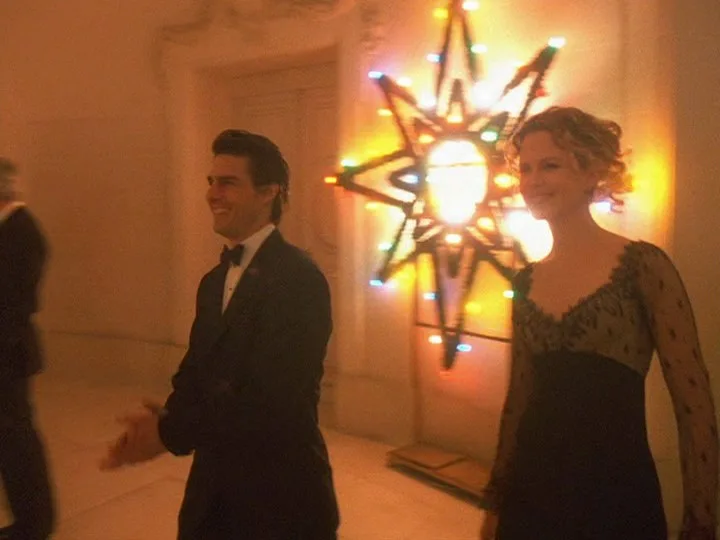
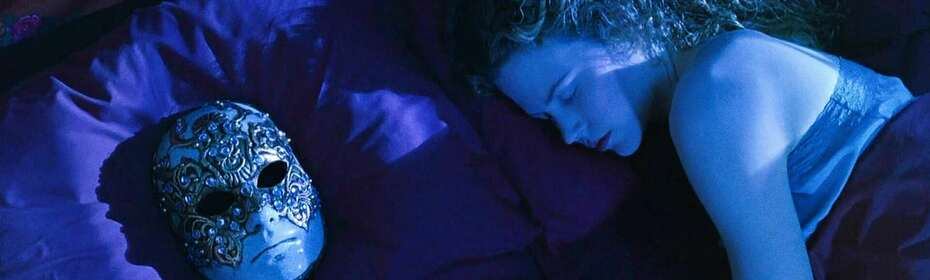
Based on Schnitzler’s novella, the film follows Dr. Bill Harford and his wife Alice, whose relationship blossoms after attending a social event that prompts them to reflect on their lives and marriage. During one of the conversations, Alice admits to Bill that she once had a fantasy about cheating on him with a stranger. This confession shocks Bill and makes him feel jealous and insecure.
While searching for an answer to his worries and doubts, Bill accidentally learns about a mysterious event organized by an elite secret society. He decides to visit her to immerse himself in a world of forbidden pleasures and try to understand his reaction to Alice’s revelation.
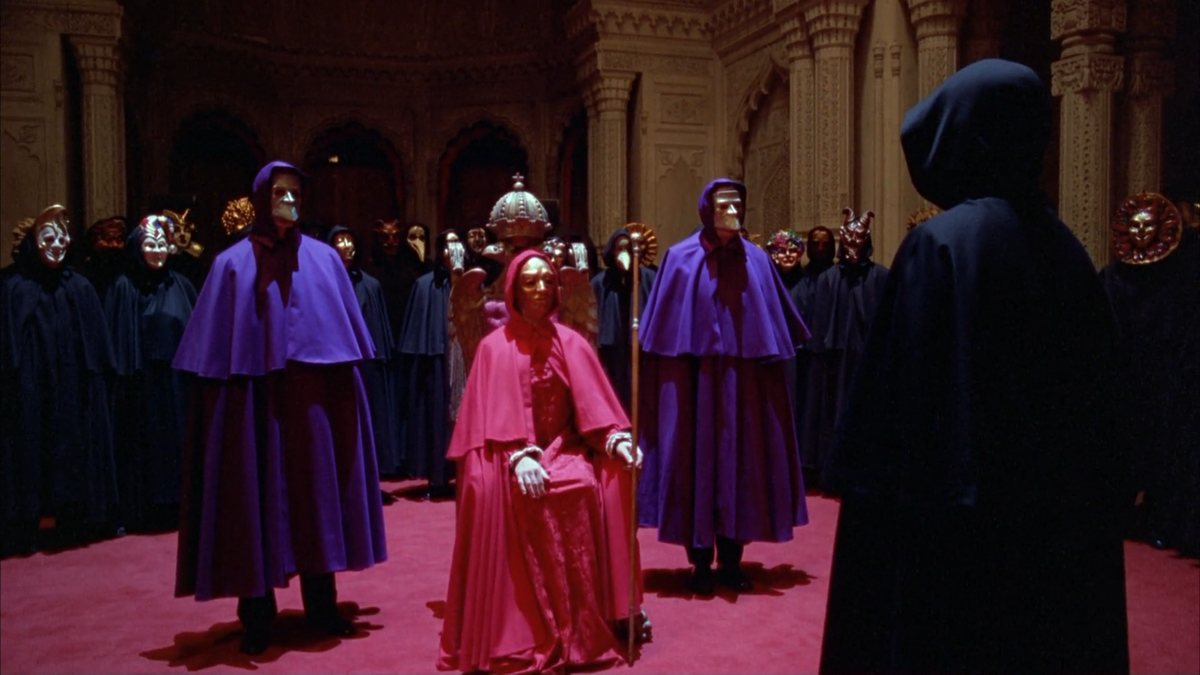
A mysterious party is taking place in a country mansion, where rituals of an intimate nature are demonstrated. The orgy depicted in the film evokes mixed reactions: some consider it too explicit, while others see it as having high artistic value. This scene emphasizes the themes of control, sexuality and the superiority of the elite, who seek only pleasure and enjoyment.
Entering inside, he finds himself in a large hall where a strange ritual is being performed. In the center of the hall there is a circle filled with people in hoods and masks. In the center of this circle is the chief priest, also wearing a mask, who performs the ritual using a staff.
The priest pronounces mysterious phrases in Latin and touches the shoulder of each woman standing in the circle with his staff. These women, dressed only in capes, begin to undress, remaining masked. The priest points to one of the women, and she and him go outside the circle. The women then begin to choose partners from the men present.
After the ceremony, the guests disperse around the mansion. Bill walks through the rooms and observes orgy scenes where participants have sex in various combinations. The atmosphere is saturated with mystery.
One of the girls notices Bill and warns him that he is in danger and should leave. Bill doesn’t understand what’s happening and continues to watch. He is eventually spotted by security and brought back to the main hall.
The priest demands that Bill take off his mask and give his name, indicating that he is not a member of this society. Bill refuses, but under pressure takes off his mask. At this moment, the woman who previously warned him comes forward and offers herself as a sacrifice in his place to save him.
The priest orders Bill to leave the mansion immediately and warns him not to tell anyone what he saw. Bill returns home in a state of shock and confusion.
Events in the country house become a turning point in Bill’s life. He realizes his vulnerability and begins to rethink his life and relationship with his wife.
The final conversation between the main character and Victor Ziegler makes you think about many important questions. Victor claims that the death of one person is not uncommon and does not stop life. He also clarifies that the orgy and other mysterious events that Bill witnessed were staged, made for the entertainment and gratification of the elite. Victor tries to convince Bill that everything he saw was part of a show designed to manipulate and intimidate.
Victor Ziegler: Bill, I don’t think you realize how much trouble you got yourself into last night just by going there. Who do you think these people were? These were not just ordinary people. If I told you their names… no, I’m not going to tell you their names… but if I did, I don’t think you’d sleep as well at night.
…
Bill: The woman lying dead in the morgue was the woman from the party.
Well, Victor, perhaps I’m missing something here. You call it a fake, a charade… Could you please tell me what kind of fucking charade ends with someone ending up dead!?
Ziegler: Okay, Bill, let’s stop talking nonsense, okay? You haven’t been yourself for the last twenty-four hours. Do you want to know what this charade is? I’ll tell you exactly which one it is. That whole “take me” victim you were jerking off to had nothing to do with her actual death. After you left, nothing happened that hadn’t happened to her before. She had her brains blown out. Dot.
…
Victor Ziegler: Listen, Bill. Nobody killed anyone. Someone died. This happens all the time. Life goes on. This always happens until it stops. But you know that, don’t you?
This conversation raises complex ethical questions about morality and transparency, and shows how elites can use influence for their own purposes.
Conspiracy theories surrounding the film
Stanley Kubrick’s death shortly after filming wrapped in 1999 has been the subject of numerous conspiracy theories. One of them suggests that the director had information that may have been unacceptable to influential circles, which caused his sudden death.
After Kubrick’s death, the studio released Eyes Wide Shut with edits. Some believe his death appears suspicious and wonder if he was killed under mysterious circumstances. The mystery centers on 24-45 minutes of the film that the studio wanted Kubrick to cut.
Various theories suggest that the deleted scenes may have depicted an actual satanic ritual, including elements such as cannibalism, human sacrifice and sexual acts with children. Despite speculation, no one saw a second of those supposed 24 minutes. Kubrick’s daughter, Vivian Kubrick, confirms that her father was under enormous pressure from the elite not to make his films. She said: “There was a lot of pressure on him not to make the films that he made… I feel like my father was very… He was persecuted by those factions on this planet that are trying to manipulate humanity.”
David Icke (English professional conspiracy theorist) added: “It’s interesting because Stanley Kubrick was trying to tell us something in Eyes Wide Shut.” He died shortly after delivering the film to Warner Brothers. When studio executives watched the original film, they insisted that 25 minutes be cut.
When the studio asked to cut 25 minutes, he refused, and died a few days later. These 25 minutes, which were never seen, were removed from the film. When you watch the movie and see how far it goes, the question arises: what was in those 25 minutes that they didn’t show?
Investigators announced that scattered pills of a powerful sleeping pill were found near Kubrick’s body. The original version said that the film genius died from an overdose of sleeping pills, since working on the film “Eyes Wide Shut” was extremely stressful for him. But after the autopsy it turned out that there was no overdose in Kubrick’s corpse. Additional examinations were announced, and after two weeks it was officially announced that Kubrick had died of an unexpected heart attack.
The famous writer Julian Barnes, who was friends with Kubrick in the last years of his life, made such revelations in March 2000 in the Sun newspaper. Barnes said then that Kubrick was skillfully removed by adherents of Satanic cults, since Kubrick wanted to show in the last film not only the omnipotence of shadow structures, but also to hint at specific personalities of Satanists in the American elite, including among Hollywood bigwigs. According to Barnes, Kubrick was an Orthodox Jew and a categorical opponent of Satanism in any of its manifestations. A friend of Kubrick called the director’s murder ritual, since his death occurred 666 days before January 1, 2001 – the actual beginning of the third millennium, which neopagans consider the Age of Aquarius, which replaced the Age of Pisces, that is, the Christian era.
Fantasy or reality?
Stanley Kubrick drew on years of research into secret societies to create the orgy scene in Eyes Wide Shut. According to first assistant director Brian Cook, this research included information about 19th-century secret society rituals and the Black Mass.
The Black Mass is a ritual that rejects Christian practices and is often associated with Satanism and the occult. In the 19th century, such practices were often used by secret societies as a way of challenging the social and religious norms of the time.
“Affair La Voisin”
The Affair of La Voisin, which took place in France at the court of Louis XIV in 1679–1682, is known as the Affair of Poisons. The investigation into this scandal revealed the participation of many members of the elite in black masses, sacrifices and sex orgies. The main figure in this scandal was Catherine Monvoisin, known as La Voisin, who, along with her accomplices, organized these rituals. After her arrest, investigators are said to have discovered the bodies of 2,500 babies buried in her yard, believed to have been sacrificed. La Voisin’s accomplices paid prostitutes for their babies to be used in rituals.
These black masses included infant sacrifices and sexual orgies, which were seen as ways of gaining favor from the devil and achieving the personal goals of the participants. Witnesses claimed that high-ranking members of the French court took part in them, including Madame de Montespan, the mistress of King Louis XIV, who, they said, used these rituals to maintain royal favor.
The black masses and occult rituals in question were carried out in secret and in closed spaces such as mansions, castles or other isolated places. This allowed high society participants to participate without fear for their reputation and status. The rituals were attended by members of the upper echelons of society, including aristocrats, members of the royal court and other dignitaries. This emphasizes that black masses were not simply immoral acts of the lower classes, but rather acts associated with the elite.
Pedophile Satanist Rings: The Detru Case
The scandal began with the arrest in Belgium of Marc Dutroux in 1996 for the kidnapping and murder of eight-year-old girls. Dutroux imprisoned the girls in his basement, where he sexually abused them and filmed pornographic videos. He often killed them after they had served their service. Two girls, An Marchal (17 years old) and Efje Lambrex (19 years old), were drugged and buried alive in Dutroux’s garden.
The case was explosive because Dutroux was a small cog in a sex slave network that included powerful people. His kidnapping accomplice, Michel Lelivre, testified: “Marc always told me that he kidnapped girls for people who gave him orders.” He killed An and Ifje because the people who placed the order “were not interested in them.”
The orders came from a man named Michel Nihoul. A career criminal involved in financial fraud and drug trafficking, Nihoul had connections in the highest echelons of the Belgian establishment.
Survivors of the violence were encouraged by Nihoul’s arrest and came forward to testify. Most of the witnesses were identified by the police as an “X” followed by a number, and so their statements became known as the “X File”.
X1, X2, X4 and others called Maurice Lippens and his brother Leopold, the long-time mayor of Knokke, evil child rapists and members of a snuff network. It’s interesting that Wikipedia omits this fact.
X1 and X2 mentioned Baron Benoit de Bonvoisin, a Belgian aristocrat active in fascist organizations, as one of the most sadistic rapists on the network.
One of his sisters married Count Hervé d’Ourcel, whom X1 accused of being involved in a ritual abuse network. His other sister is married to Bernard de Merode, an intelligence-connected family that X4 and Nathalie V. have accused of child abuse.
Even the Belgian royal family was involved in several cases. X3 (the only “X” witness to suffer abuse in the 50s and 60s) accused Prince Charles (1903-1983).
It is clear that child sexual abuse networks are part of the lifestyle of the Satanists who make up the Belgian ruling elite. This behavior is not unique to Belgium.
Children were sent to VIP parties in clubs and villas, where they were subjected to oral and penetrative sex, escalating into perversions of unimaginable horror. These include brutal anal rape of children as young as three years old, prolonged torture and sex with animals. Some of the descriptions are horrifyingly fantastic, such as X1’s testimony of her giving birth:
“When the contractions started, her [X1] grandmother called her. The Lippens brothers, Vanden Beunantz and Assistant Police Commissioner Knokke arrived. After this, de Bonvoisin and Vander Elst arrived… Vander Elst puts a knife to her throat and Bonvoisin rapes her… She has to masturbate while Vander Elst takes some photos. Lippens rapes her with a razor blade. When the girl came out, de Bonvoisin hit her in the face several times. Immediately after X1 gave birth, she was raped. Her daughter disappeared after six weeks.”
Conclusion
Research and historical documents show that occult rituals, including sexual orgies and sacrifices, did occur throughout history. These practices were associated with the upper classes and elite, emphasizing their secret nature and often protection from public persecution.
In Eyes Wide Shut, Kubrick skillfully conveyed the image of black masses and occult rituals that had a real historical basis. The film attracted significant controversy and criticism due to its provocative subject matter and explicit scenes that shocked audiences.
Kubrick made a work of fiction based on real events, and by analyzing his work, we can document this in our article. His film raises difficult questions about human nature, power and moral boundaries. Orgy scenes, their symbolism and context continue to generate controversy and attract the attention of viewers and researchers. This film stimulates discussion of mysticism and the occult in culture and history, remaining one of the leading examples of exploration of the dark and mysterious aspects of human psychology and social norms. Kubrick did not invent these events, but only embodied them in artistic form, and our article, like his film, is a documentary reflection of reality.
Hidden Secrets of Hollywood
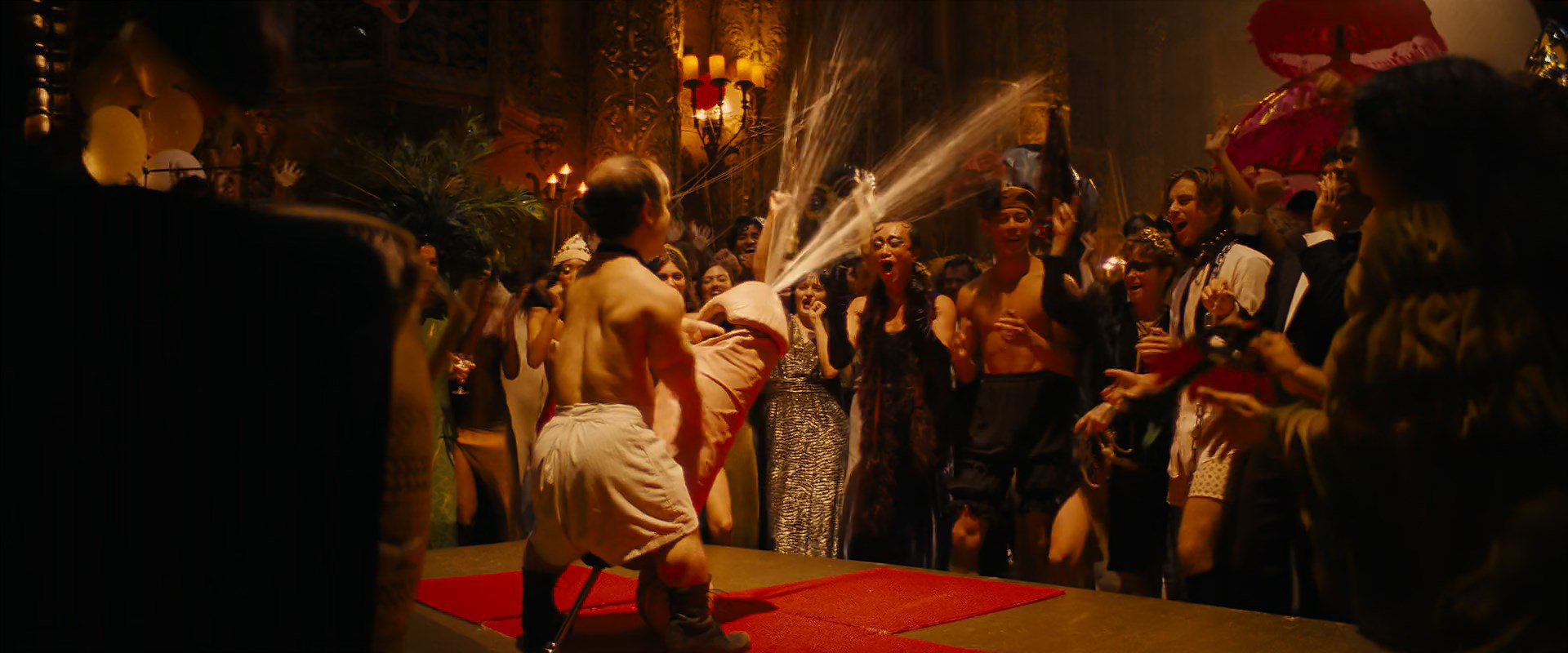
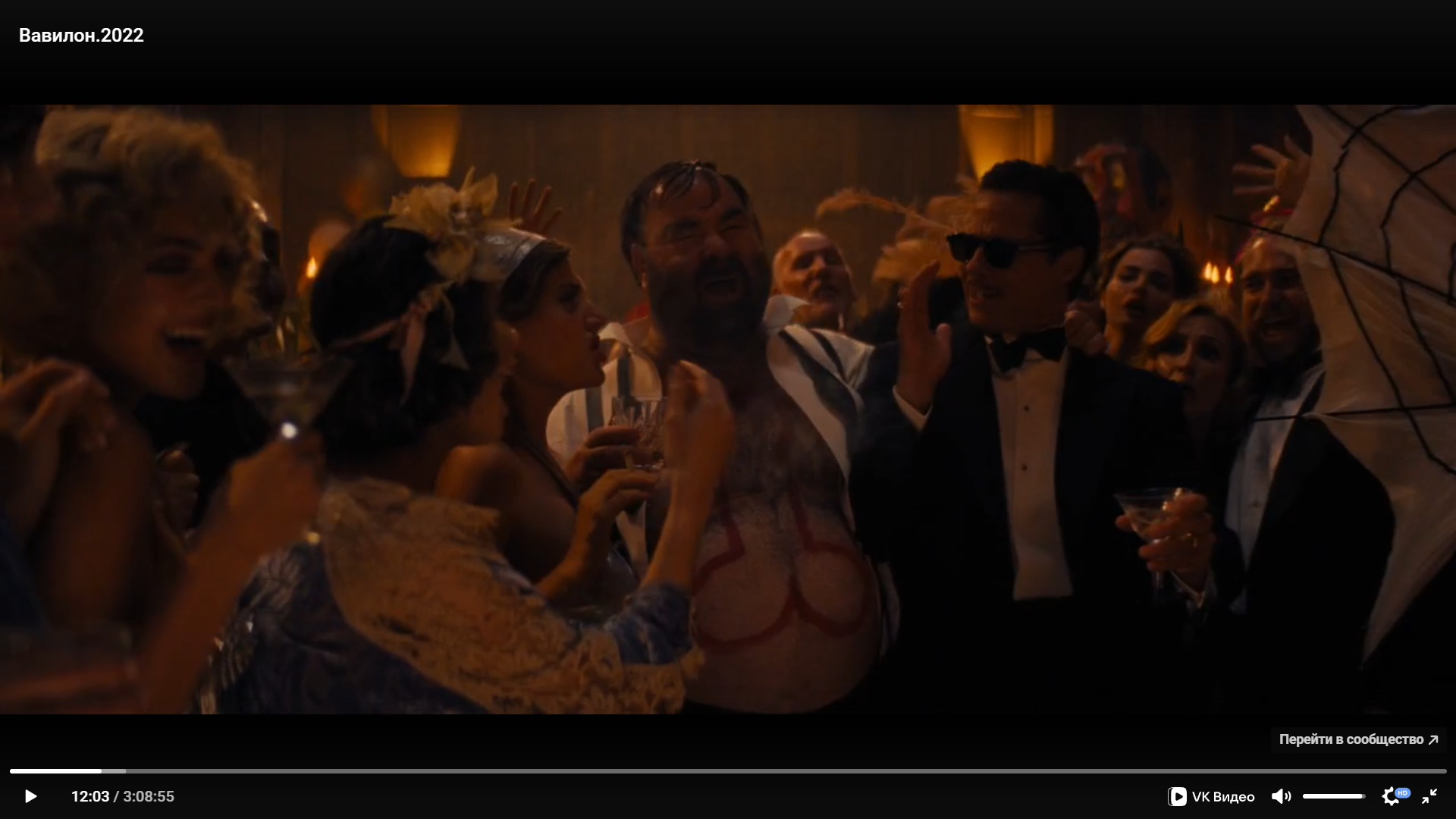
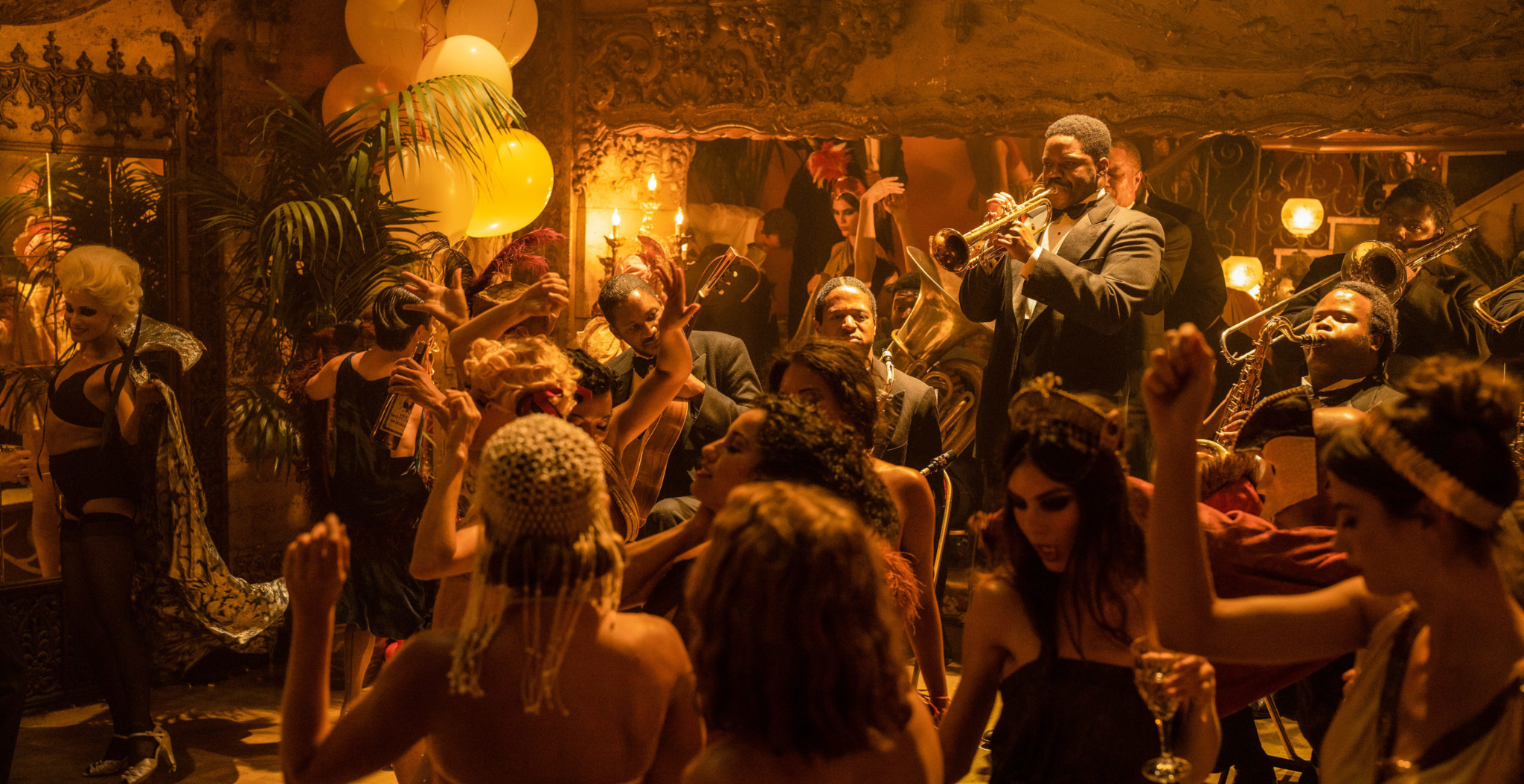
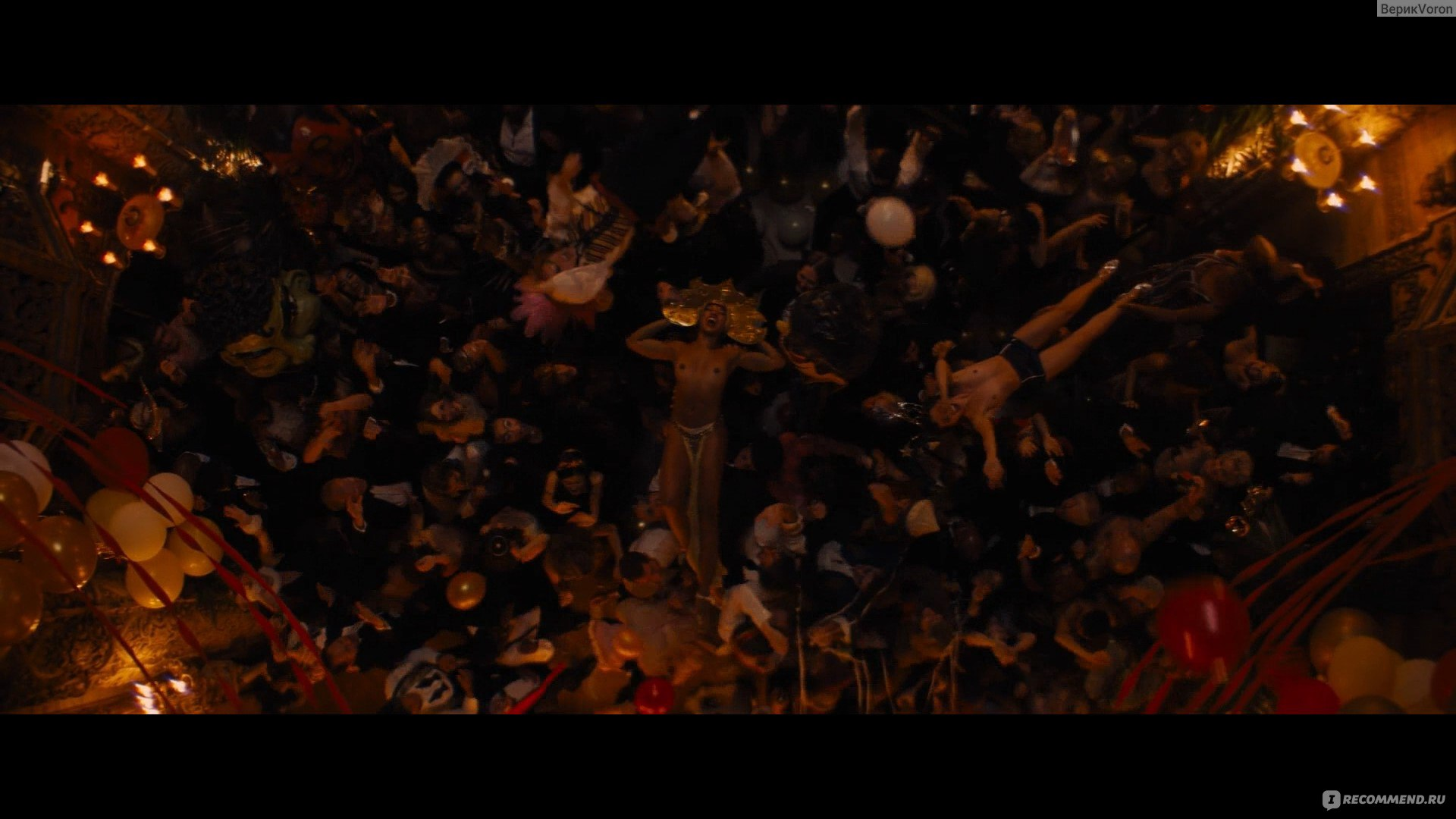
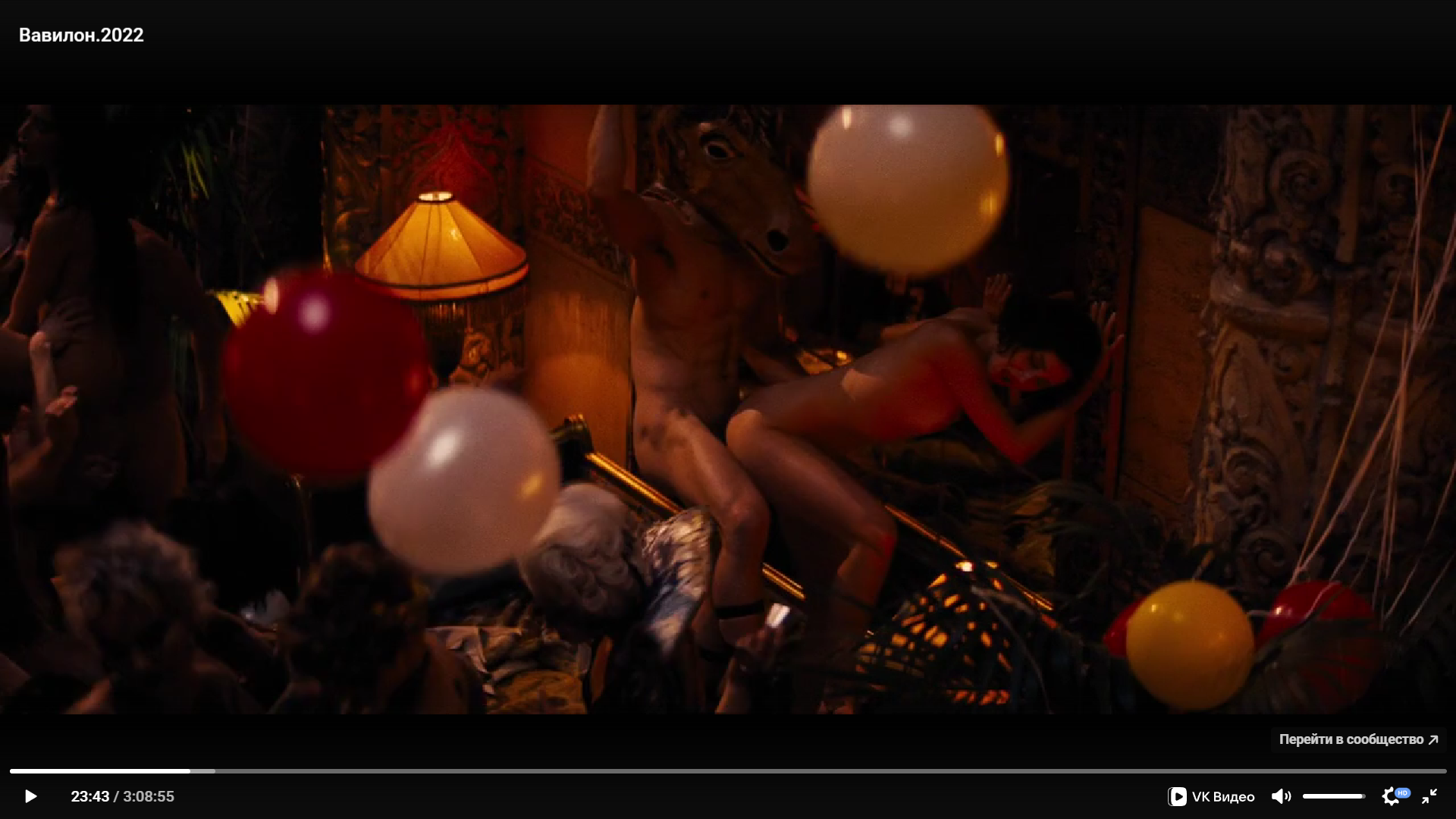
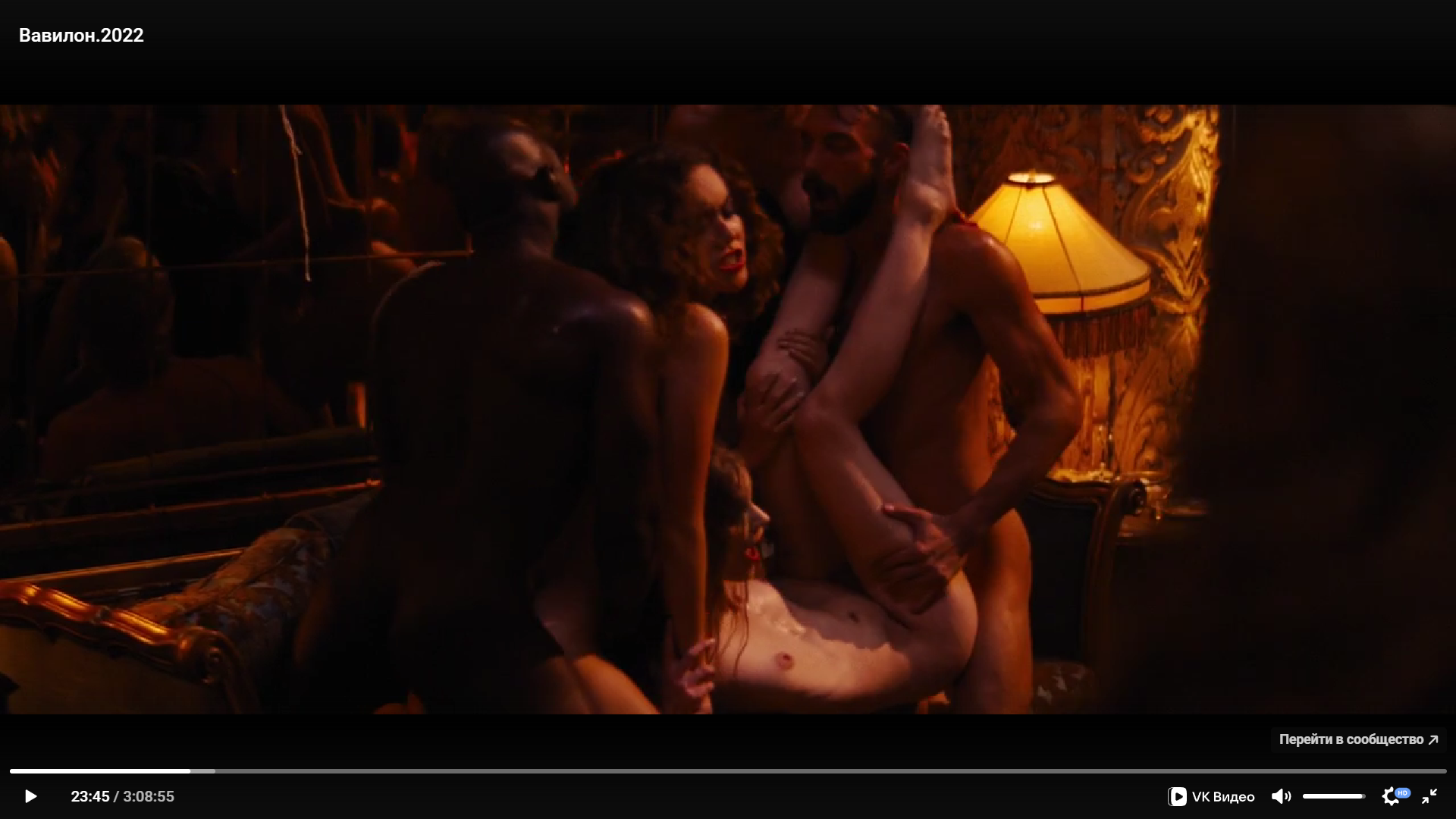
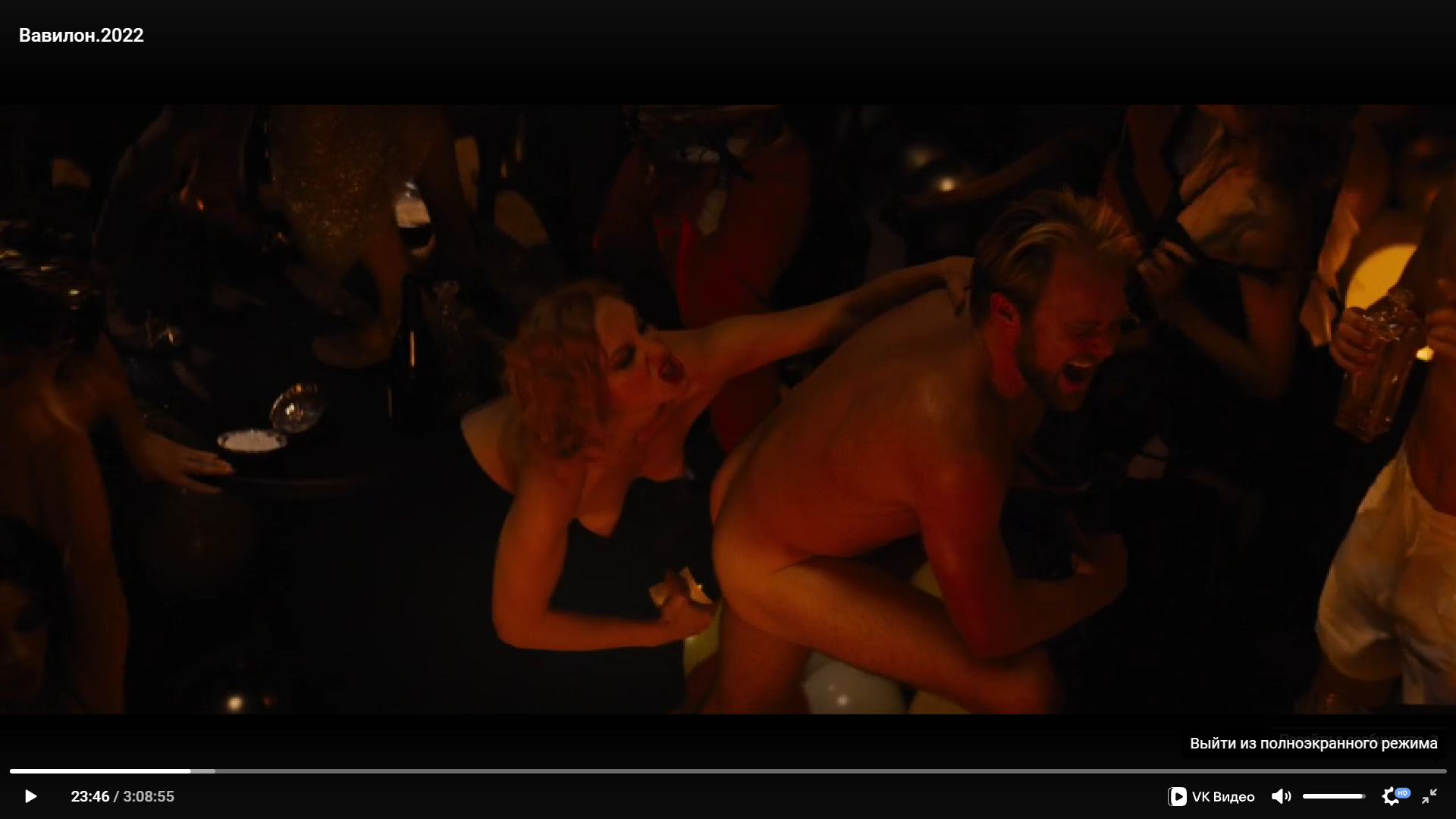
Orgies in the 2022 film “Babylon”: Reality or Fiction?
Introduction
The film “Babel” directed by Damien Chazelle causes a lot of controversy and discussion. This feature film not only shows fascinating stories from the world of old Hollywood, but also emphasizes that popular art can reflect reality more honestly than is commonly believed.
Historical context and analysis of the film
“Babel” depicts Hollywood in the 1920s, a time of rapid growth in the film industry, accompanied not only by professional triumphs, but also by personal scandals. The scenes of orgies and crazy parties in the film are not just visual tricks, but a reflection of real events. This time was an era of great social change and experimentation, where the boundaries of morality and behavior were often blurred.
One of the most memorable scenes in the film is a large-scale orgy in which dozens of people participate. Historical sources confirm that such events were not uncommon in celebrity circles, where luxury and permissiveness often escalated into chaos and madness.
The party is attended by numerous guests including actors, producers and other industry influencers. Groups of people engage in sexual acts in different parts of the house, including main rooms and more private areas.
Explicit scenes feature naked participants in a variety of positions and situations, including group sex, lesbian and gay encounters. In some episodes you can see the use of various sexual toys and devices. Drugs and alcohol circulate freely among guests.
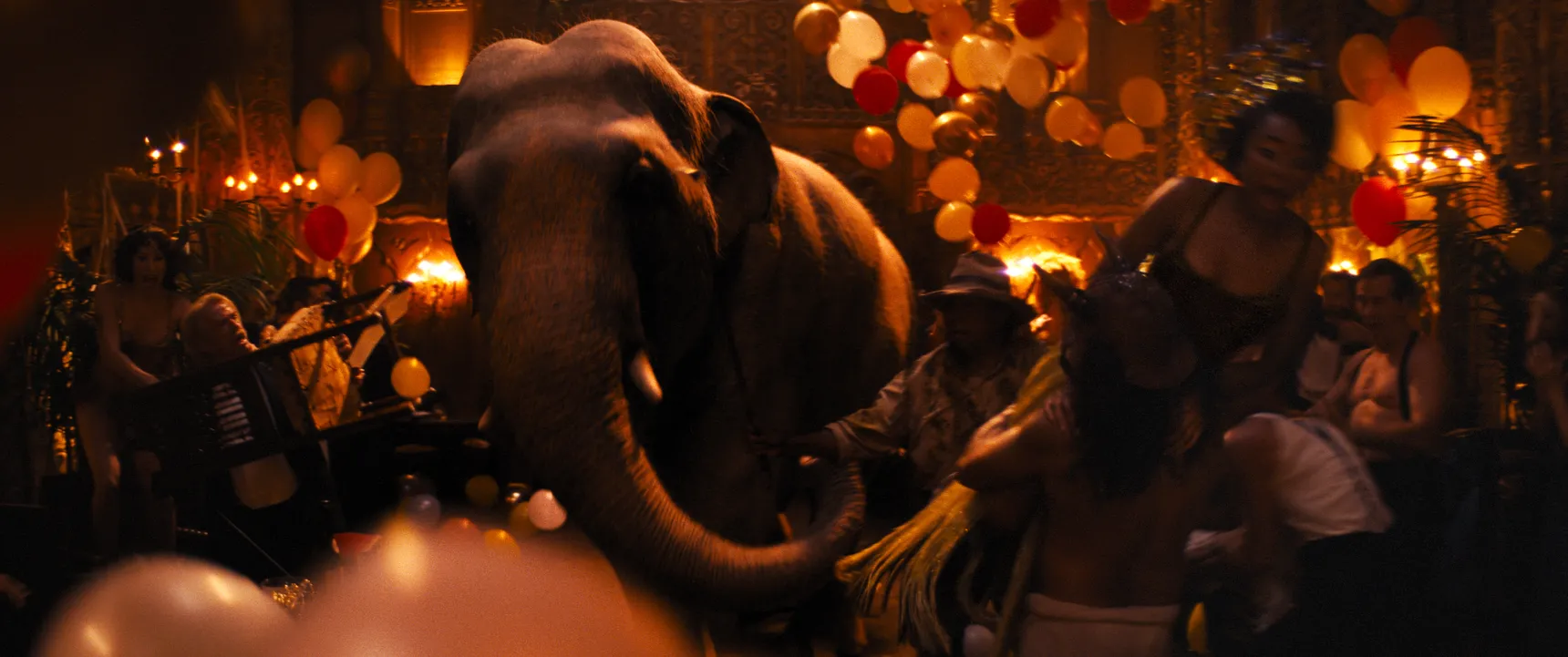
The elephant, which at first is an object of admiration and a symbol of greatness, later becomes a tool to distract the attention of the guests when it is necessary to hide the dead body of the actress. It’s clearly visible here
Manny Torres: I’m not used to people like this.
Jimmy: They no worse than filmmakers.
Real examples of orgies involving celebrities
One of the most famous cases is the orgy with the participation of actor Fatty Arbuckle. Arbuckle’s most famous party, which led to scandal, took place on September 5, 1921, in room 1219 of the St. Francis. The famous actor found himself at the center of a major scandal that revolved around a party where acts of sexual violence allegedly occurred against actress Virginia Rapp. Although he was acquitted, his career was ruined and the case brought much attention to the morals of Hollywood at the time.
It is also worth mentioning Orsen Welles, whose parties were famous for their eccentricity and freedom of morals. Many of Orson Welles’ parties took place at his home in the Hollywood Hills. This house was a meeting place for many famous personalities of that time.
Welles was also a frequent guest at parties hosted by William Randolph Hearst at his famous Hearst Castle in San Simeon, California.
One such party in the 1940s was attended by more than 100 people, and many of the participants later spoke of the unbridled atmosphere that reigned there.
Conclusion
The film “Babylon” (2022) not only vividly and boldly shows the audience the wild orgies and parties of old Hollywood, but also emphasizes that these events were part of the reality of the time.
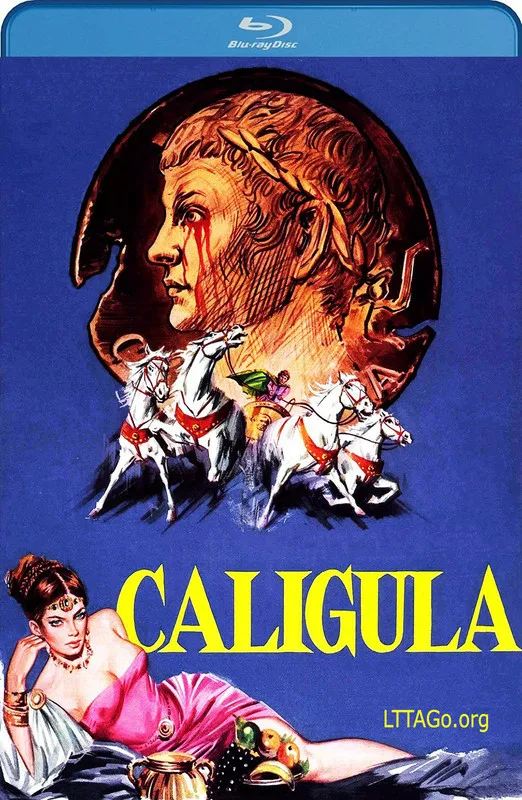
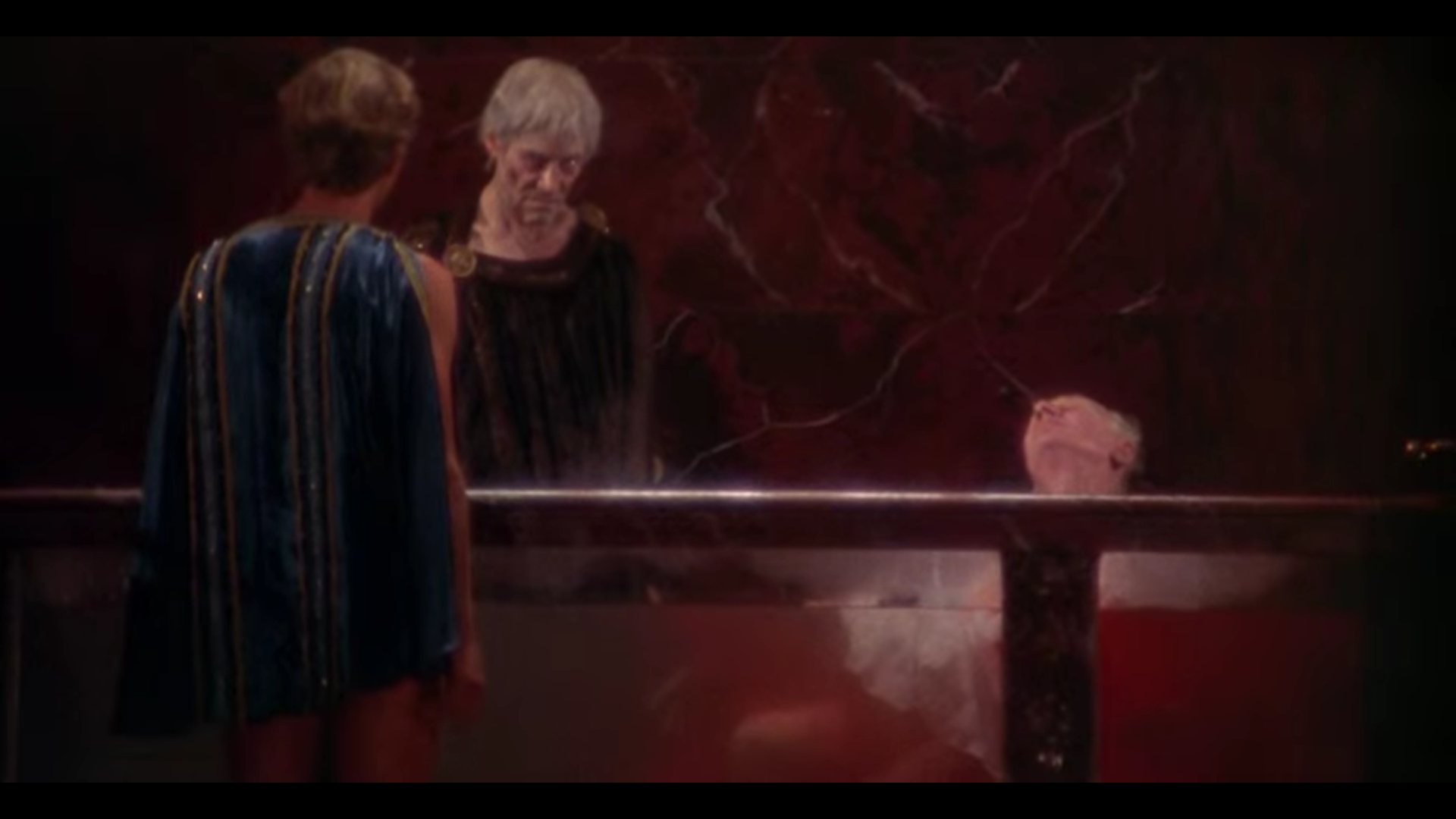
Caligula is a 1979 erotic historical drama that chronicles the rise and fall of Roman Emperor Gaius Caesar (Caligula). Starring Malcolm McDowell, Peter O’Toole, John Gielgud, Helen Mirren and other famous actors. The film was produced by Bob Guccione, founder of the magazine Penthouse, who wanted to combine high-quality film storytelling with explicit sex scenes.
The film was written by Gore Vidal and originally directed by Tinto Brass. However, due to constant conflicts, both abandoned the film. Guccione added scenes of hardcore pornography, which, along with the violence in the film, caused a storm of controversy and indignation after its release. As a result, the film was and remains banned in many countries.
Orgy Scenes: Visual and Emotional Value
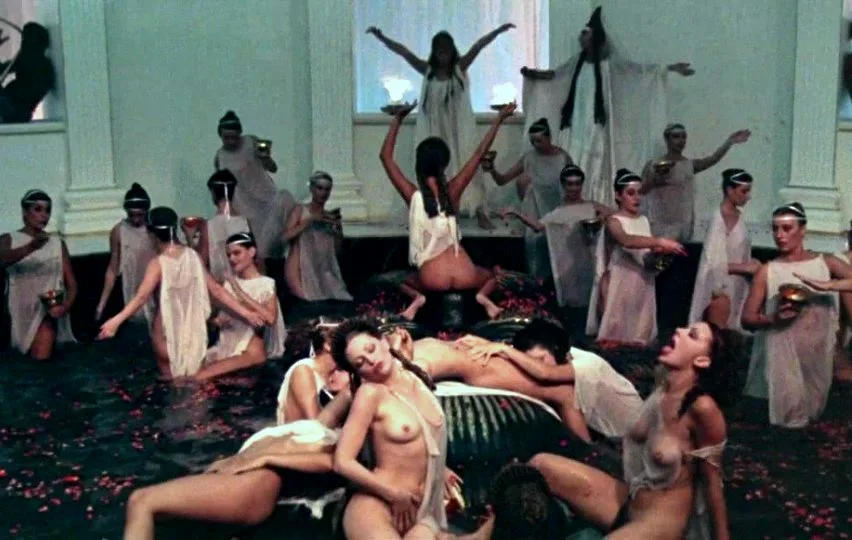
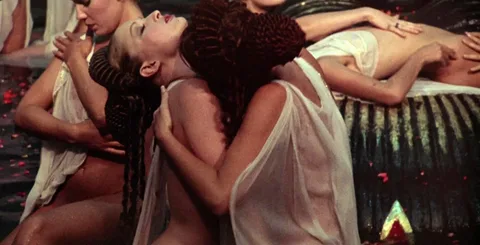
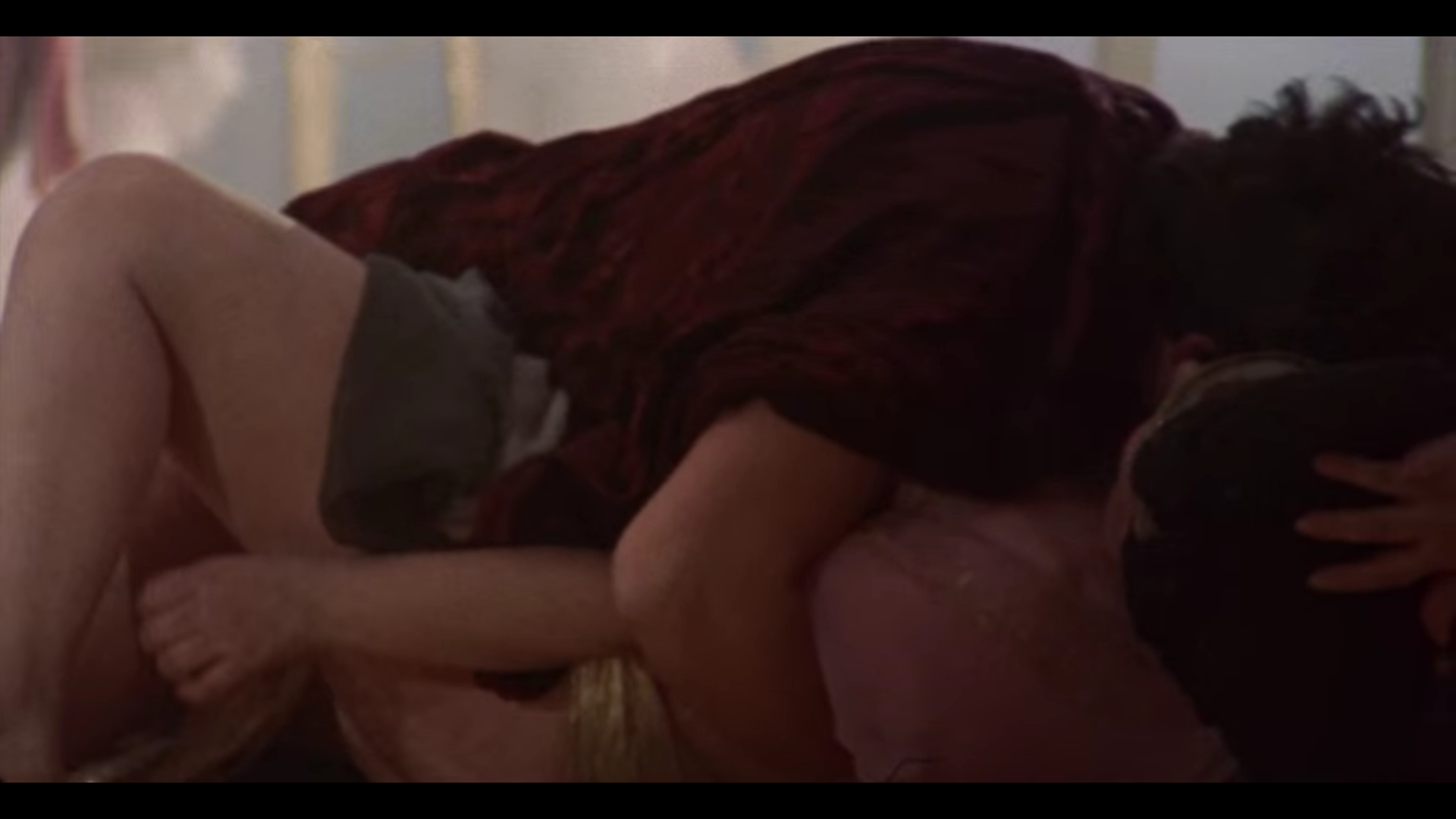
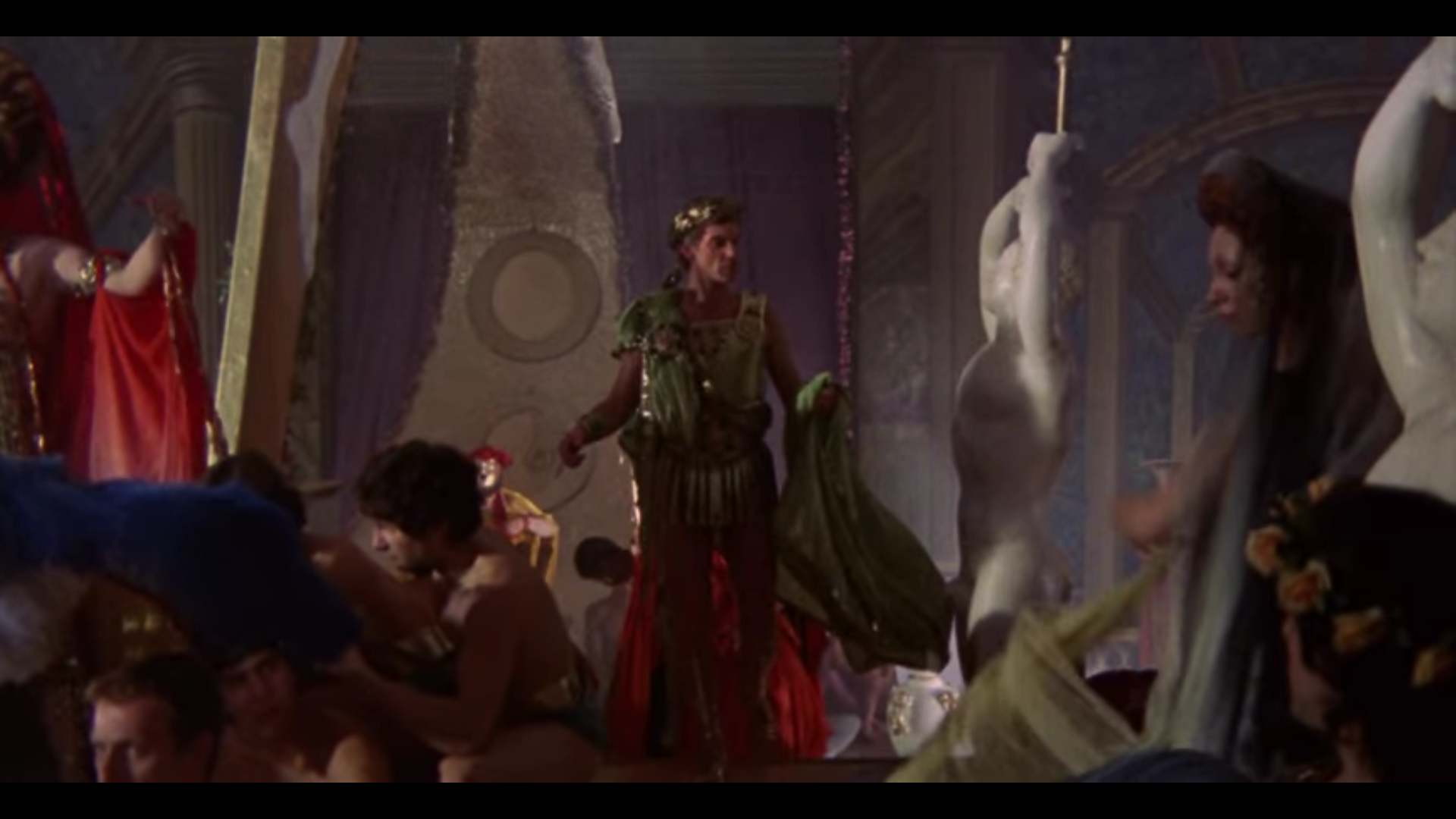
Orgies figure prominently in the film Caligula and reflect the supposed debauched nature of the Roman court at the time. These scenes illustrate the moral decay and hedonism of the ruling elite, creating an atmosphere of permissiveness and decadence that is believed to reigned in Rome during the reign of Caligula.
One of the key aspects of the film is Caligula’s use of sexual power to control and manipulate those around him. Scenes of orgies, violence and humiliation demonstrate how sexuality is transformed into a tool of repression and intimidation. Caligula uses sex not only for his own pleasure, but also as a means of subjugating his subjects and enemies. Caligula, possessing absolute power, ceases to distinguish the boundaries between personal and state life. Sexual power becomes part of his political strategy, where personal passions and perversions directly influence government decisions and people’s destinies.
The orgy scenes serve to further develop Caligula’s character. They show his decline from a young, ambitious ruler to a mad tyrant, consumed by his own desires and perversions. His participation and organization of such events highlight his descent into moral and mental madness.
Through these scenes, the film makes a social commentary on the nature of power and corruption. Orgies symbolize the extreme abuse of power and are a critique of absolute power, which leads to moral degradation and decay.
The orgies in the film are performed with a great deal of frankness and naturalism, which was unusual for the cinema of that time. The inclusion of these scenes was intended to shock the viewer and push the boundaries of what was acceptable in mainstream cinema. Their graphic nature serves to enhance the emotional impact of the film and emphasizes its provocative nature.
Explicit scenes of orgies caused the film to cause a storm of controversy and criticism upon its release. Many countries have banned it, and others have heavily censored it. These scenes became a symbol of the unprecedented courage and recklessness of the filmmakers, who were not afraid to show such provocative and controversial moments on screen.
Introduction
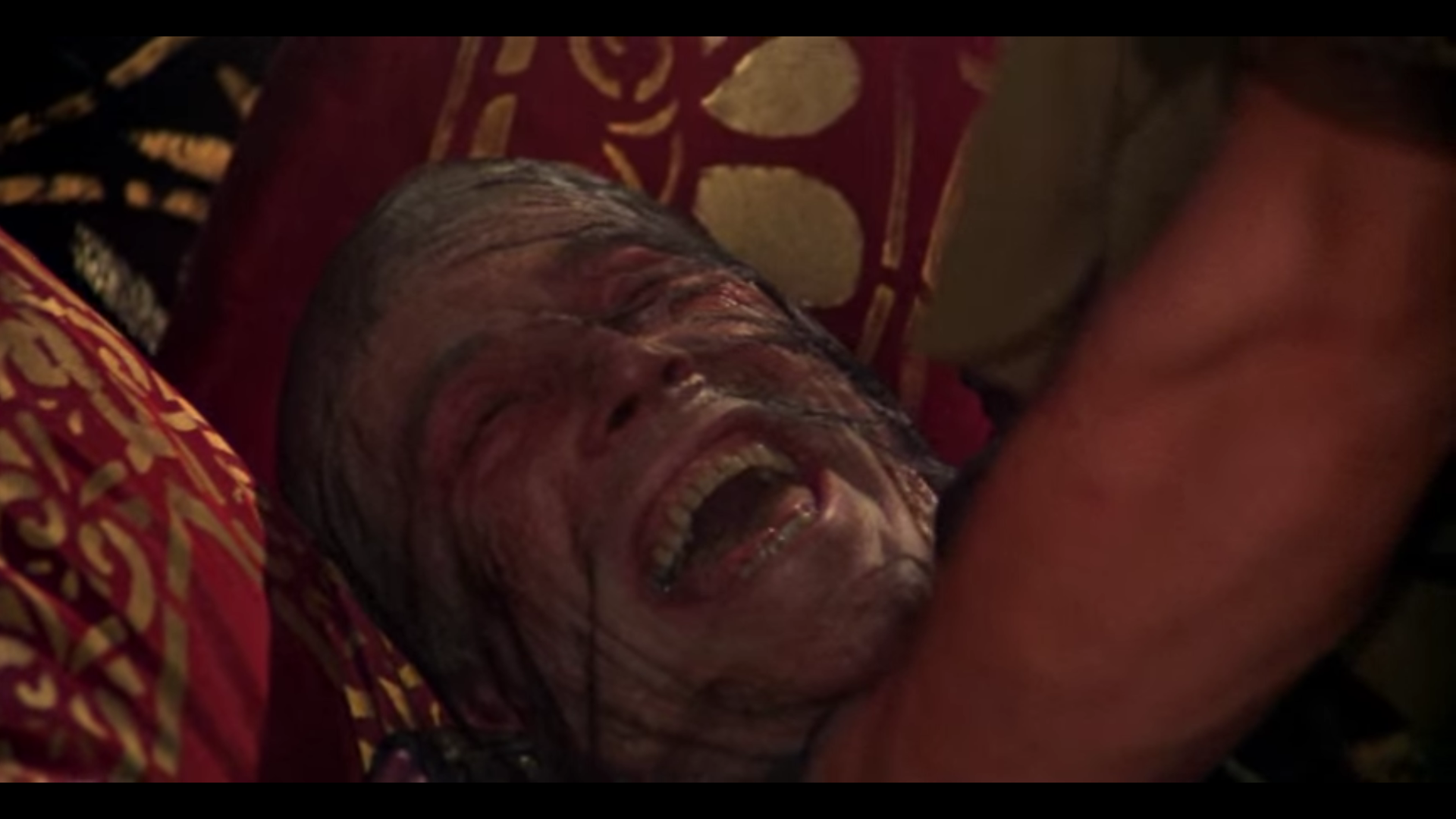
The film begins with a young Caligula, played by Malcolm McDowell. During his childhood and adolescence, his worldview and attitude toward power are shaped by his grandfather, Emperor Tiberius (Peter O’Toole). Tiberius was an old and depraved tyrant who ruled Rome from his isolated palace on the island of Capri. Caligula watches his grandfather rule through fear and violence, which has a profound effect on him.
Tiberius: Serve the state, Caligula, although the people in it are evil beasts.
Caligula: But they love you, Lord.
Tiberius: Oh no… they are AFRAID of me… and that’s much better.
…
Tiberius: We are ruled by fate, Little Boot, not by any god.
Caligula: You are a god.
Tiberius: No, I am NOT Caligula! Even when I die.
Caligula: Julius Caesar and Augustus Caesar, they are gods.
Tiberius: So says the senate, and so the people prefer to believe. Such myths are useless.
An indicative scene here is the dialogue between the distraught Tiberius and his closest adviser and friend Nerva:
[seeing Nerva cutting his wrists]
Tiberius: Cretins… why did you let him do this?
[to two slaves looking on]
Tiberius: Tie his wrists… TILE HIS WRISTS!
[nerves]
Tiberius: You shouldn’t leave, you shouldn’t leave me, you are my friend, my only friend.
Nerve: I’ve lived too long, Tiberius, I hate my life.
Tiberius: [to two slaves] Leave us! You both!
NerVa: A person who chooses the hour of his death comes closest to cheating fate. And fate decreed that when you die, Macro will kill me.
Tiberius: I will arrest him and order his execution!
Nerve: You can’t, he controls you. In any case, even if Macro is dead,
[looks at Caligula]
Nerve: How could I continue to live with this… Reptile?
Tiberius: [To Caligula] You will always respect my friend, won’t you, reptile?
Nerve: Tiberius, you were once wise.
Tiberius: Do not tease me! I am old.
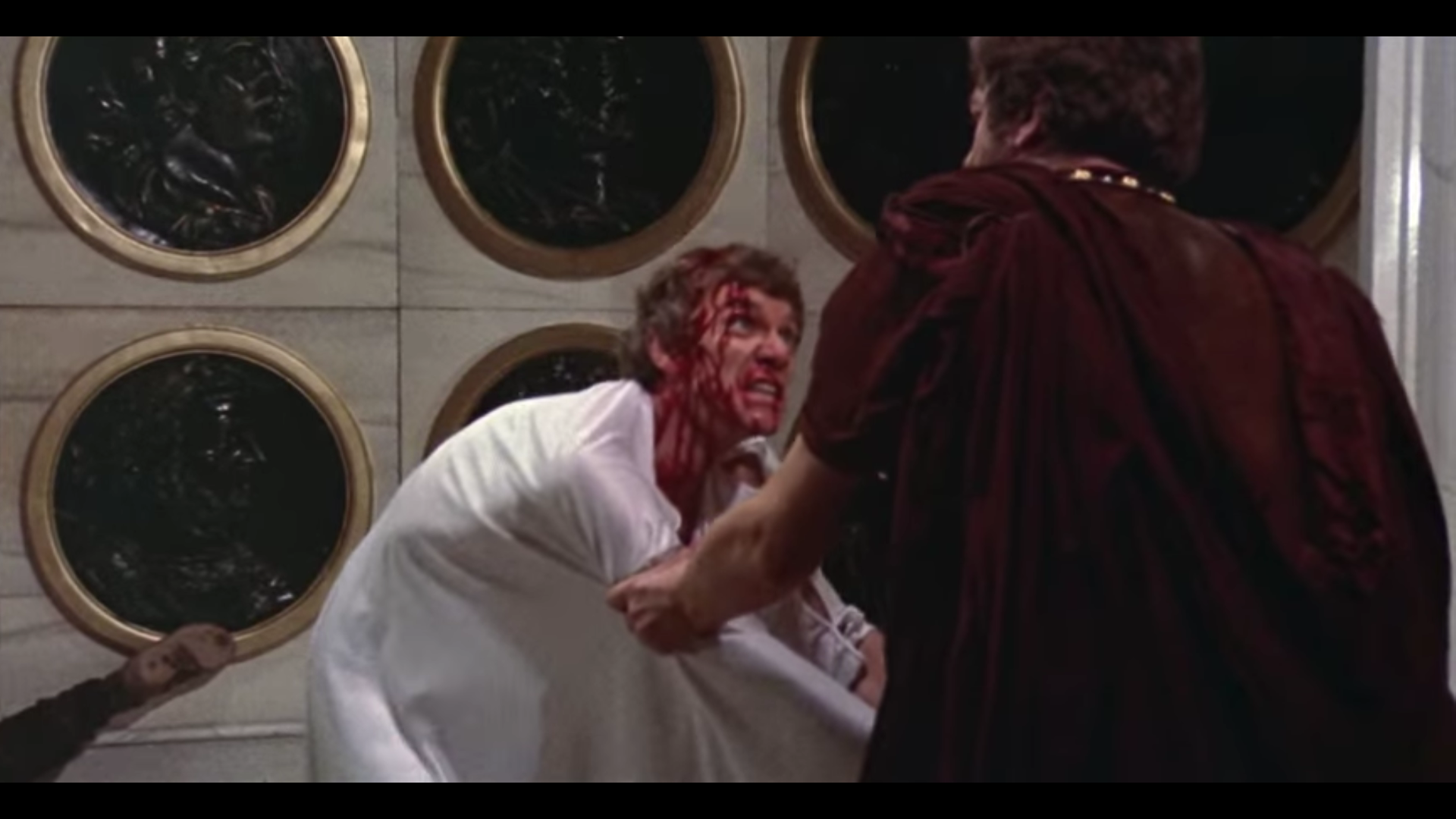
Nerve: I saw you turn into a monster! One by one, I saw you kill your entire family, your friends, the noblest people in Rome.
Tiberius: I have always been surrounded by enemies. In my own family, in the Senate… You are cruel!
Nerve: Honest old people can sometimes see the future. So, from the evils of the past and the future, I now choose to escape.
Ascension to power
After the brutal murder of Tiberius, Caligula becomes emperor. Initially, he promises to be a fair ruler, but quickly finds himself captive to his desires and passions. The main love of his life is his sister Drusilla (Teresa Ann Savoy), for whom he has incestuous feelings. The film shows their relationship in detail, demonstrating how it affects Caligula’s mental state. His passion for Drusilla and his painful attachment to her become one of the central motives of his life and reign.
Governing body
Having become emperor, Caligula begins his reign with brutal reforms and repressions. He eliminates all possible rivals, including members of his own family, in order to consolidate his power. His management methods are becoming increasingly autocratic and unpredictable. Caligula organizes luxurious feasts and orgies, spending huge sums of money on his entertainment. These scenes highlight his moral corruption and abuse of power. The film’s depiction of the splendor and opulence of the Roman court contrasts with the cruelty and dictatorship of Caligula.
Mental disorder
Every year Caligula loses more and more connection with reality. He proclaims himself a god and demands worship, his paranoia and cruelty increase. Caligula introduces strange laws and arranges public executions, demonstrating his ruthlessness. Gradually he turns into a dictator who is hated by everyone, including his inner circle. The film shows how absolute power and permissiveness lead him to madness.
[Caligula rapes Livia]
Caligula: Open your EYES, Livia! Lucky one… to lose her virginity to a direct descendant of the goddess… I, Caligula Caesar, command in the name of… Open your eyes, Proculus! Order in the name of the Senate – OPEN THEM! – Senate and people… Rome!
Death of Drusilla
The death of Drusilla becomes a real tragedy for Caligula. He declares mourning for her and begins to descend even deeper into madness. Scenes of his grief and despair are shown with particular cruelty and frankness, emphasizing his emotional instability. The loss of his only loved one only exacerbates his paranoia and cruelty, pushing him towards even more eccentric and cruel behavior.
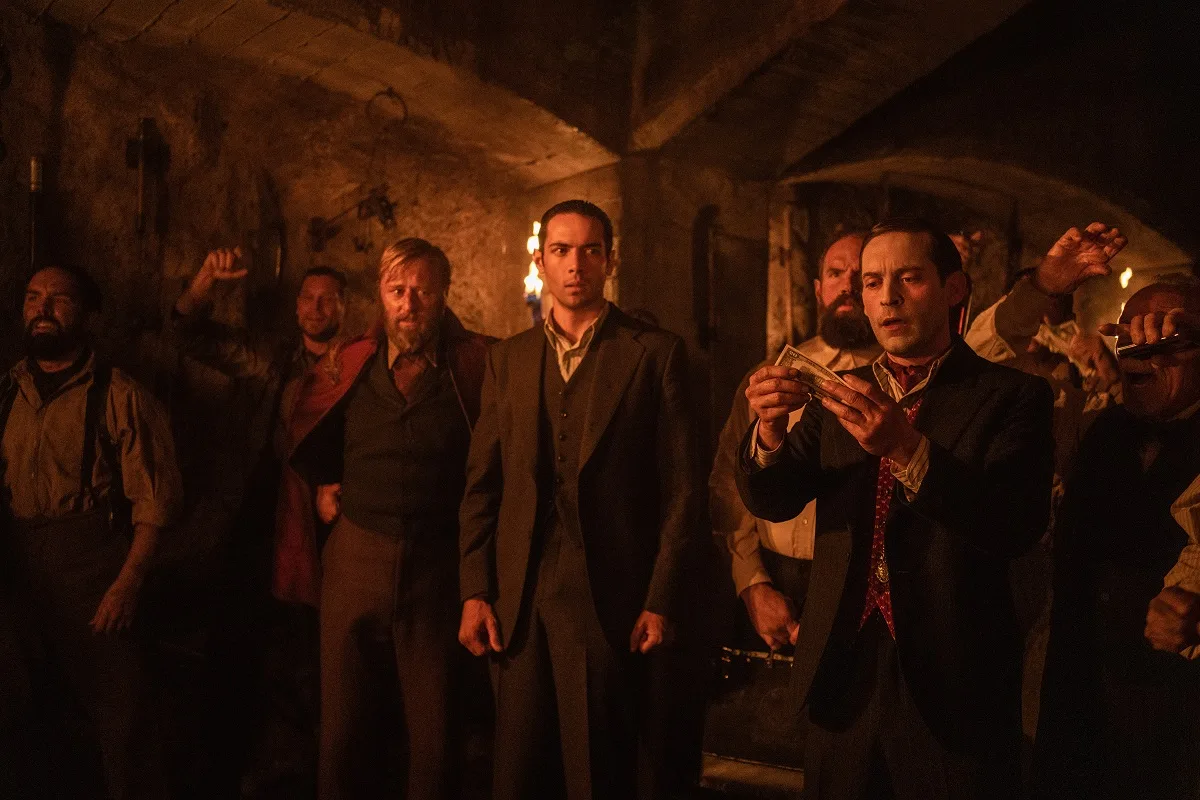
“Senator’s wives for only five gold pieces”
The scene takes place in Caligula’s luxurious palace, where he gathers senators and their wives. The Emperor, wanting to humiliate and show his superiority, announces that he has arranged a kind of auction in which each of the senators present can purchase a night with any of the wives of his colleagues for only five gold coins. Caligula, being the central figure in this scene, behaves like a charismatic but cruel leader. His gestures and facial expression convey a mixture of amusement and contempt. He enjoys watching the reactions of his subjects, enjoying his power over them. This episode highlights his sadistic tendencies and complete lack of morality. The enators, finding themselves in a humiliating position, are forced to submit to the will of the emperor, realizing that any resistance could lead to even greater consequences. Their wives, in turn, express horror and humiliation, but, like their husbands, are forced to submit to avoid Caligula’s wrath.
This scene symbolizes Caligula’s absolute power and his ability to manipulate even the most powerful people in the empire. The use of sex as a tool of humiliation emphasizes that nothing is sacred or off-limits to the emperor. This episode also demonstrates how far a tyrannical leader can go in his quest for complete power and control over all aspects of his subjects’ lives.
Caligula:-Take a look! The most lustful women of the Roman Empire… …have come here today to fulfill their patriotic duty! For only 5 gold! Welcome aboard the imperial brothel!
…
Caligula: -You are given a choice from the best bodies of the empire! 5 gold for every 20 minutes! Most of the women present here are noble married ladies! Senators’ wives! Whores with an impeccable reputation!
…
Caligula: -Don’t waste time! The wives of our senators are not just beautiful! They are as insatiable as their husbands! 5 gold for any! Take revenge on those who oppressed you! Take their wives, insult them! Do whatever you want with them! They are yours! For only 5.5 gold!
The scene is a powerful example of the use of sexual power to humiliate and control. This episode not only illustrates the cruelty and immorality of Caligula, but also serves as a metaphor for the destructive power of absolute power, which corrupts and destroys everything around it.
A fall
Caligula’s reign continues in an atmosphere of fear and hatred until his entourage decides to get rid of him. At the end of the film, the conspirators kill Caligula and his wife Caesonia, and their little daughter. The murder scenes are shown in a dramatic and shocking manner, highlighting the chaos and destruction that Caligula leaves in his wake. His death leaves Rome in confusion and chaos.
Result:
Caligula may not have aspired to become emperor. Fate played its role by making this ordinary young man Caesar. His real desire was to love his sister Drusilla as a man loves a woman, and to enjoy every day of his life. However, his grandfather Tiberius, known for his cruelty and depravity even by the standards of Ancient Rome, greatly influenced Caligula, corrupting his soul and teaching him the dark side of power.As a result, it was his reign that marked the beginning of the decline of the great Roman Empire, mired in debauchery, lust and cruelty.
Orgies in Spain: Secrets and Scandals at the Royal Court
Introduction
Orgies in Spain, as in other European countries, were a phenomenon that was rarely discussed openly, but which flourished, especially in the royal courts. In these closed circles, where luxury and power were intertwined with the basest passions, secret scenes of pleasure and vice unfolded, which became part of the unofficial history of the country.
Roman Legacy: Bacchanalia on the Iberian Peninsula
The history of sexual orgies in Spain goes back to the Roman era. The Iberian Peninsula, being part of the Roman Empire, inherited many of the traditions of its conquerors. Among them, a special place was occupied by bacchanalia – holidays in honor of the god Dionysus (Bacchus), filled with wine, music, dancing and sexual excesses. Even after the fall of Rome, bacchanalia continued to exist, especially in the highest circles of society, where such events were considered part of the cultural heritage.
Middle Ages and Catholic Morality
During the Middle Ages, the Catholic Church sought to control the morals and behavior of all sectors of society, including the royal court. However, even at this time it was not possible to completely suppress the secret orgies that took place at courts and in castles. During the reign of Alfonso VII (1126–1157), the Spanish royal court became famous for its luxury and freedom of morals. In the chronicles of that time there are hints of “indecent” holidays, including sexual orgies. One such incident occurred at the celebration of the wedding of Alfonso VII, when official celebrations developed into more intimate and outspoken entertainment, far from the eyes of the church.
Renaissance and Baroque Age: Secret Entertainments at Court
The Renaissance brought to Europe a new attitude towards the body and sexuality, which could not but affect the life of Spanish society. In the art and literature of that time, themes of eroticism and sensual pleasures were increasingly raised. Sexual excesses have become a common practice among the ruling circles. During the reign of Charles V (1516–1556), the Spanish court became the center of political and cultural life in Europe, but secret holidays and debauchery were hidden behind external strictness.
The reign of Philip IV (1621–1665) was especially scandalous. Despite his religiosity and adherence to Catholic traditions, Philip IV was known for his attraction to women and his love of holidays. Large-scale parties were held around him, often ending in sexual orgies. These events took place in the halls of the royal palace in Madrid and gathered a narrow circle of close associates, where the king could freely indulge his passions. Rumors about such entertainment spread throughout Europe, leaving a mark on history, albeit unofficial.
In the 17th century, there were rumors that secret orgies also took place in some monasteries and religious orders. One of the most famous scandals erupted in Toledo, where a group of nuns were accused of participating in nightly orgies accompanied by black masses. This incident caused a wave of indignation and was brutally suppressed by the Inquisition, but it showed that even the walls of monasteries could not contain human passions.
Royal Court of the 18th Century: Orgies and Scandals
The 18th century, the era of Enlightenment, brought a new round of scandals. Charles III, who tried to restore order at court, left a legacy that could not withstand the temptations of his son, Charles IV. During the reign of Charles IV (1788–1808), parties attended by members of the royal family became common at the court in Aranjuez, the country residence of the kings of Spain. These events were accompanied by music, wine and massive sexual pleasures. It was rumored that Queen Marie-Louise of Parma, wife of Charles IV, also took part in these secret meetings.
Manuel Godoy, the queen’s favorite and first minister, took a particularly active part in such events. Godoy, known for his political ambitions and intrigues, hosted parties at his home in Madrid, where invitees could indulge in pleasures away from the strict views of moralists.
Conclusion
Orgies in Spain until the 19th century were truly a secret world, hidden from the prying eyes of the common people and not subject to strict official chronicles. These events unfolded against the backdrop of luxurious palaces and stately mansions, where, despite the stifling rules of religion and the ferocious measures of the Inquisition, human passions found a bold outlet. The privileged elite of their era enjoyed power and freedom, allowing themselves to plunge into a world of secret pleasures and intrigue. These spectacular scandals, although shrouded in secrecy, left an indelible mark on history, revealing the true human instincts hidden under the guise of decency.
Сценарист : Нигяр Исмаилова Ильяс Гызы Приблизительное время прочтения данной статьи: 15 минут
Вступление :
В данной статье мы рассмотрим переплетение двух самых естественных человеческих аспектов — любви и лжи. Постараемся разобраться в одном и другом на конкретных примерах из нашей жизни и понять, где начинаются пересечения в их взаимодействии. Попытаемся понять друг друга и самих себя, посмотрев на любовь и ложь со стороны науки биологии , психологии человеческого поведения и даже философии сознания.
ЧАСТЬ 1 — ЛОЖЬ
Что такое ложь и как она зарождается?
С точки зрения психологии
Одни психологи разделяют ложь на три типа: прямая (явная ложь), преувеличение (представим, что мы чуточку приврали) и изощрённая (искажение деталей и опускание важных моментов). Другие психологи разделяют ложь всего на два вида осознанную и не осознанную ( враньё). Третьи, такие как Стивен МакКорнак и Джуди Бургун, определяют ложь как манипулирование информацией и выделяют около 34 её типов. Простыми словами:умышленное искажение или скрытие правды— это ложь.
Как писал МакКорнак, ложь зарождается в нас до пятилетнего возраста. В этом возрасте наш мозг полон фантазий, и нам сложно отличить реальность от воображения. Однако чуть позже из фаз додумок и явного фантазёрства ребёнок начинает использовать ложь в качестве инструмента защиты для избежания наказания, способа понравиться окружающим, а на подсознательном уровне ложь, пуская свои корни, становится ни чем иным, как искажением своего «я» — самообманом.
На физиологическом уровне
С детства наш организм остро реагирует на ложь, вызывая стресс и повышая уровень кортизола. Однако с возрастом причин врать становится больше, и мозг привыкает к этому. Исследования показывают, что частая ложь снижает реакцию мозга на неё, из-за чего нейроны адаптируются к такому поведению. Помимо кортизола, ложь также влияет на уровень адреналина, окситоцина и дофамина.
Примеры проявления гормонов при лжи:
1. “Адреналин”. Когда дети врут, у них часто потеют ладони и краснеют щёки. Это происходит из-за стресса: адреналин повышает давление и усиливает приток крови к голове, вызывая покраснение.
У дельфинов, одних из самых умных млекопитающих, при повышении адреналина срабатывает инстинкт самозащиты. Они могут создавать ложные следы и использовать звуковые сигналы, чтобы запутать хищников, быстро адаптируясь к ситуации.
2. “Кортизол”. Кортизол, гормон стресса, может вызывать выпадение волос и появление морщин. У зависимых из-за хронического стресса и употребления наркотиков уровень кортизола часто повышен, что усиливает тревожность, провоцирует ложь и ухудшает состояние кожи. Например, у героиновых зависимых уровень кортизола может быть в 1,5 раза выше нормы.
3. “Окситоцин”. Окситоцин, “гормон доверия”, снижается, когда ложь разрушает доверие между людьми. Он контролирует уровень кортизола и влияет на вес, замедляя рост и блокируя превращение белого жира в бурый. Например, мыши без окситоцина страдают ожирением и остеопорозом, независимо от диеты, потому что при низком уровне окситоцина доверие снижается, и они начинают накапливать пищу.
У людей окситоцин активно выделяется у женщин во время родов, способствуя связи между матерью и ребёнком. Если его уровень ниже среднего, повышается риск послеродовой депрессии.
4. “Дофамин”. Дофамин, связанный с системой вознаграждения, играет роль в обмане. Ложь, дающая выгоду, может активировать систему вознаграждения, усиливая удовлетворение. Недостаток дофамина приводит к проблемам с обменом веществ, ожирению, болезни Паркинсона и другим серьёзным заболеваниям. Представления о злодеях часто ассоциируются с жадностью и сумасшествием, связанными с ложью. Например, шимпанзе скрывают пищу или отвлекают других, создавая ложное впечатление.
Как наш мозг учиться со временем обманывать нас?
Исследования показывают, что повторяющаяся ложь может заставить человека поверить в свои собственные обманы. Это связано с когнитивным диссонансом — психологическим напряжением от противоречивых убеждений. Чтобы уменьшить это напряжение, мозг может изменить восприятие и принять ложные утверждения за истину.
Философские причины лжи
Утилитаризм: Ложь может быть оправдана, если она приносит больше пользы или предотвращает вред.
Кантовская этика: Ложь всегда недопустима, поскольку нарушает универсальные моральные законы и разрушает доверие в обществе.
Экзистенциализм: Ложь используется для избегания ответственности и признания своих истинных чувств.
Психоанализ: Ложь служит защитным механизмом для защиты эго от неприятной реальности.
Социальный контракт: Ложь нарушает общественный договор и подрывает доверие, необходимое для социальной жизни.
Прагматизм: Ложь оправдана, если она приводит к успешным результатам или решает практические проблемы.
Культурные и социальные нормы: В некоторых культурах ложь может быть приемлемой для поддержания гармонии и избежания конфликтов.
Заключение:
Причины лжи разнообразны, включая утилитарные, моральные, психологические, социальные и культурные аспекты. Философия предлагает разные рамки для понимания этого сложного явления.
ЧАСТЬ 2 — ЛЮБОВЬ
Что такое любовь?Что она значить для человека?
Что такое любовь?
Ответа на этот вопрос в этой статье не будет , мы можем с вами только порассуждать на тему любви сделать несколько предположений , осветить несколько интересных научных фактов и познакомиться по ближе с психологией и философией этого прекрасного чувства.
Как психологи определяют любовь?
Психологи часто определяют любовь как сложный набор эмоций, отношений и когнитивных процессов. Она может включать в себя привязанность, страсть, дружбу и преданность, которые формируют различные виды любовных отношений.
Каковы основные теории любви в психологии?
Теория треугольной любви (Роберт Стернберг).Эта теория предполагает, что любовь состоит из трех компонентов: страсти, интимности и обязательства. Разные сочетания этих компонентов могут создавать различные типы любви, такие как романтическая любовь, дружеская любовь и чистое обязательство.
Теория привязанности (Джон Боулби)Привязанность, развитая в детстве, может влиять на то, как взрослые формируют и поддерживают любовные отношения. Это включает в себя такие стили привязанности, как безопасный, тревожный и избегающий.
Теория обмена (Джордж Хоманс)Любовь рассматривается как результат обмена ресурсами и выгодами в отношениях. Люди могут стремиться к любовным отношениям, которые дают им максимальную выгоду при минимальных затратах.
Философия Любви
С философской точки зрения, любовь представляет собой ключевой аспект человеческого существования, который формирует нашу идентичность, моральные ценности и связи с другими. Она служит источником смысла и радости, а также является основой для создания и поддержания глубоких и значимых отношений.
Философские теории о любви
Из классических теорий :
1. “Платонизм”: Любовь как стремление к идеальной форме красоты и истины, выходящее за пределы физического влечения.
Пример:
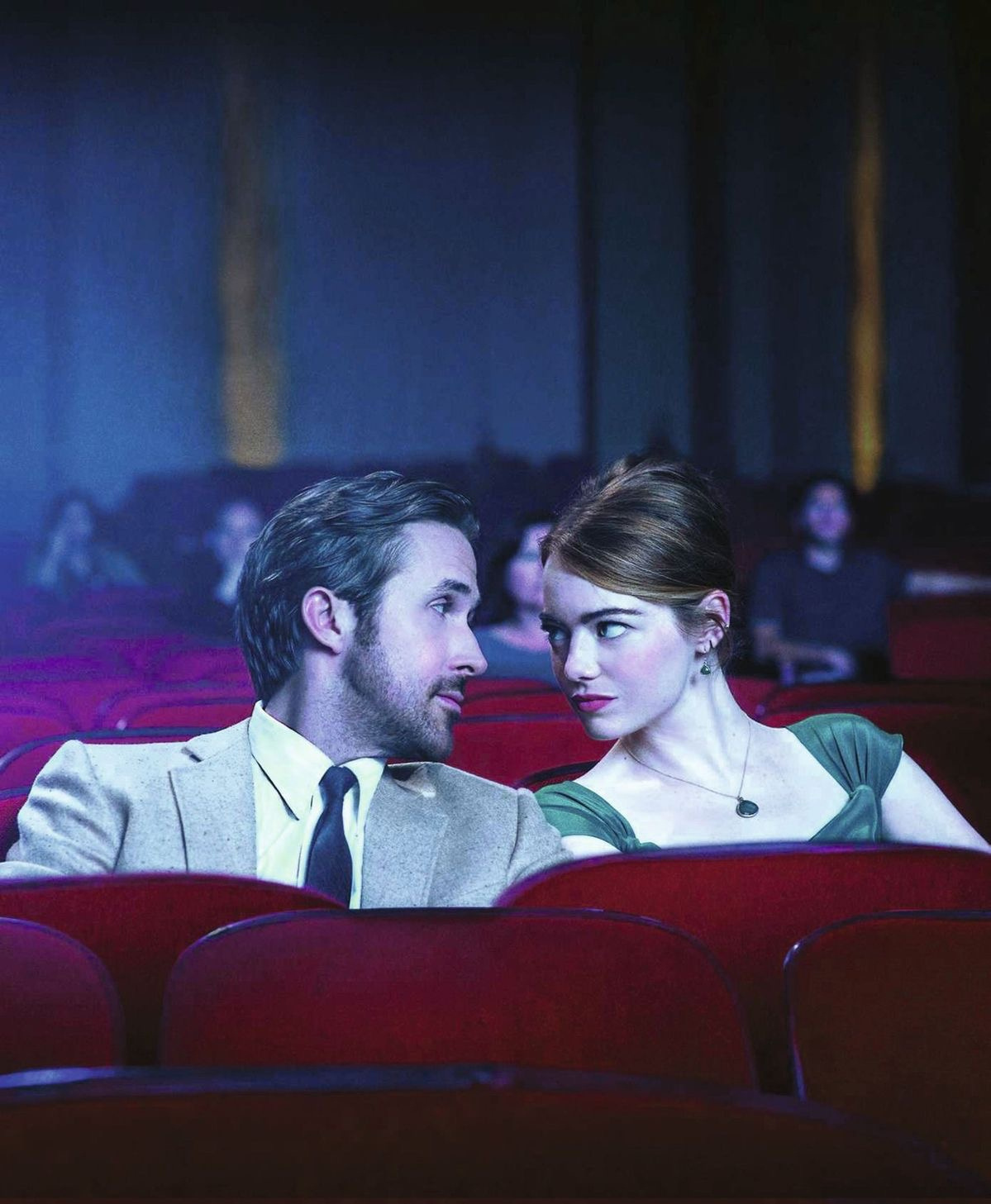
• Фильм “Ла Ла Ленд” (2016). В этом фильме любовь между Миа и Себастьяном отражает платоническую идею стремления к идеалу и совершенству, где их отношения связаны с высоким стремлением к самореализации и искусству.
The film “La La Land” directed by Damien Chazelle.
2. “Аристотелизм”: Любовь как форма дружбы, основанная на взаимном уважении и желании доброго для другого.
Пример:
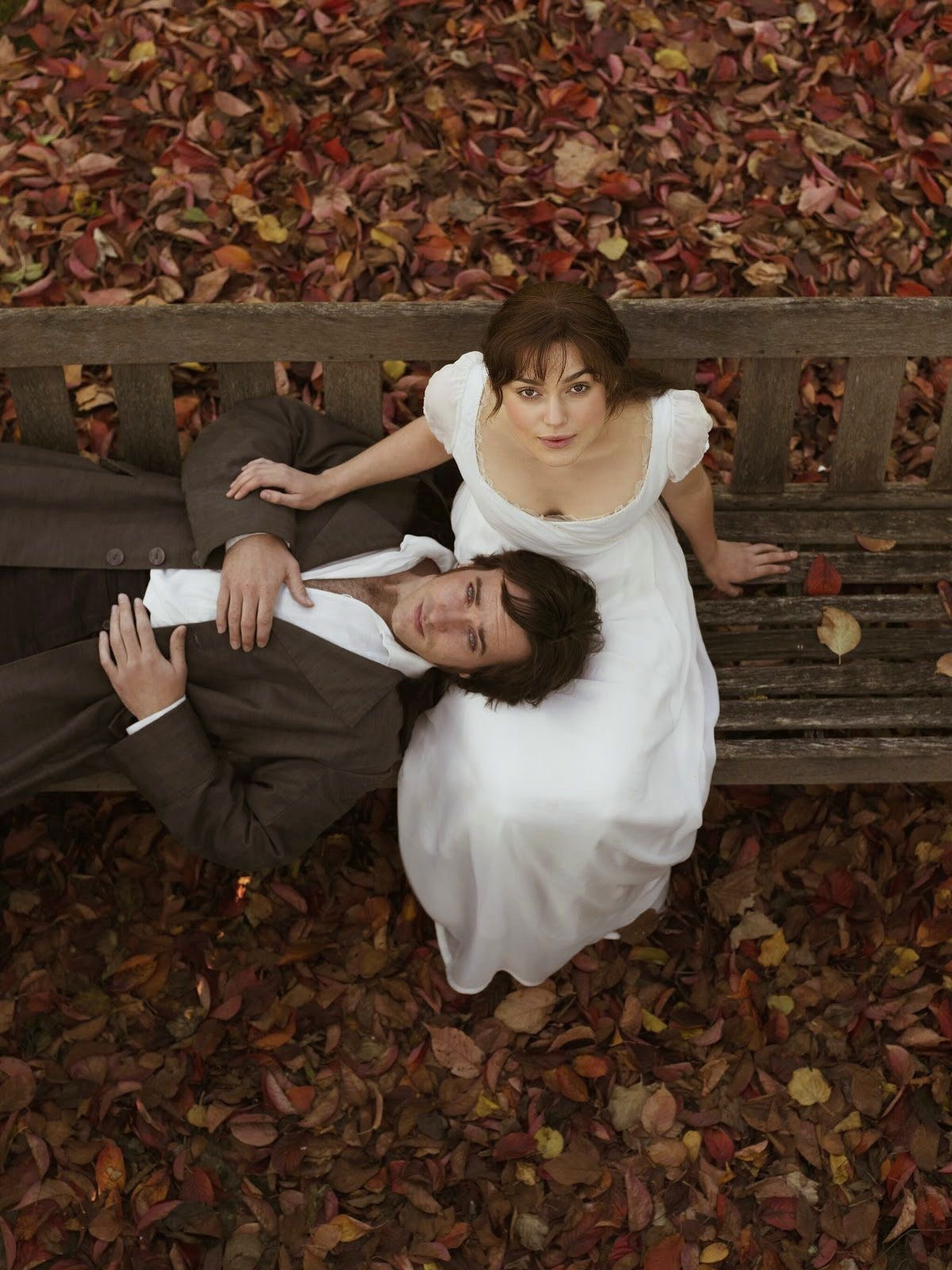
• Роман “Гордость и предубеждение” Джейн Остин. Отношения между Элизабет Беннет и мистером Дарси представляют аристотелевскую форму любви, основанную на взаимном уважении, добродетели и равенстве.
The film :”Pride and Prejudice” directed by Joe Wright.
3. “Экзистенциализм”: Любовь как выбор и создание смысла в жизни, позволяющее преодолеть чувство абсурда и одиночества.
Пример:
• “The Stranger” Альбера Камю. Главный герой, Мерсо, испытывает экзистенциальное одиночество, и его отношения с женщиной, Мари, подчеркивают стремление создать смысл в жизни, несмотря на абсурдность существования.
Here is a still from Albert Camus’ “The Stranger.”
4. “Ницшеанство”: Любовь как проявление воли к власти и самоутверждения, способствующая личностному росту и преодолению слабостей.
Пример:
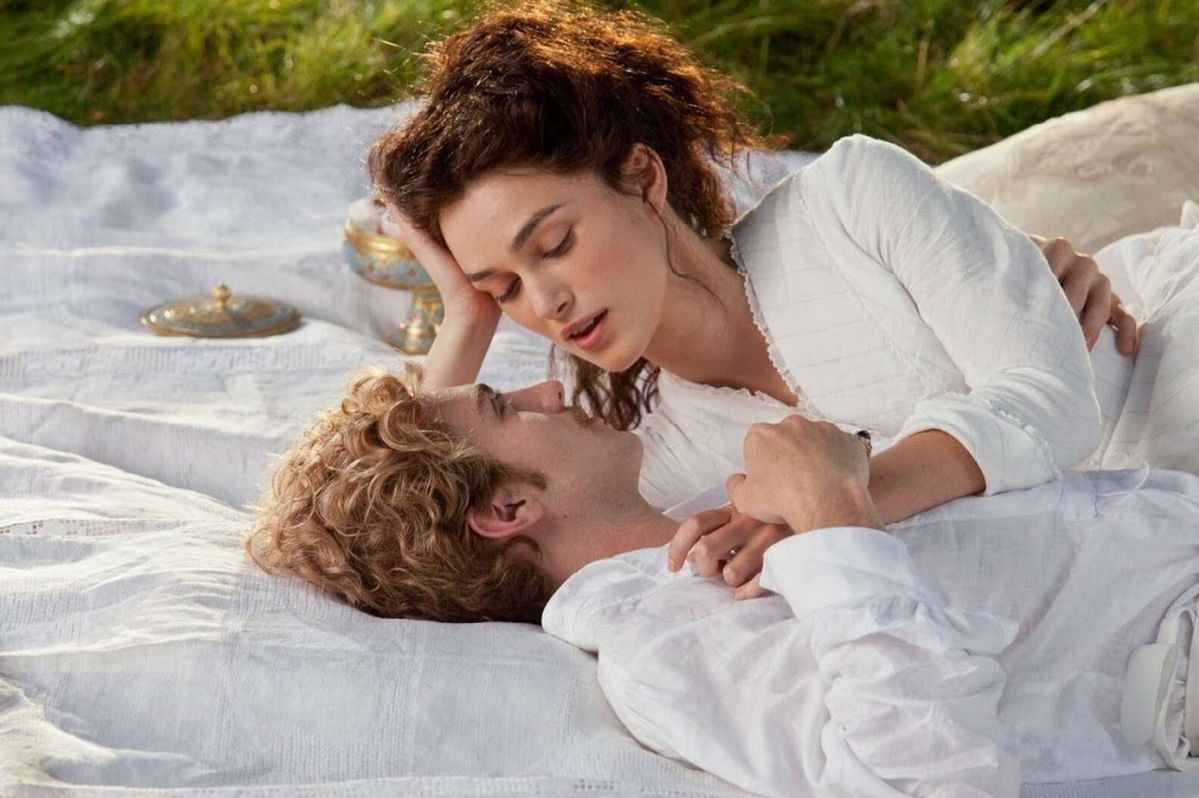
• “Анна Каренина” Льва Толстого. В этом произведении любовь Анны и Вронского демонстрирует ницшеанскую идею воли к власти и самоутверждения, где их страстные отношения приводят к личному росту и разрушению.
The film:”Anna Karenina” directed by Joe Wright.
5. “Феноменология”: Любовь как опыт, создающий уникальные смыслы и значения в контексте взаимодействия сознания и мира.
Пример:
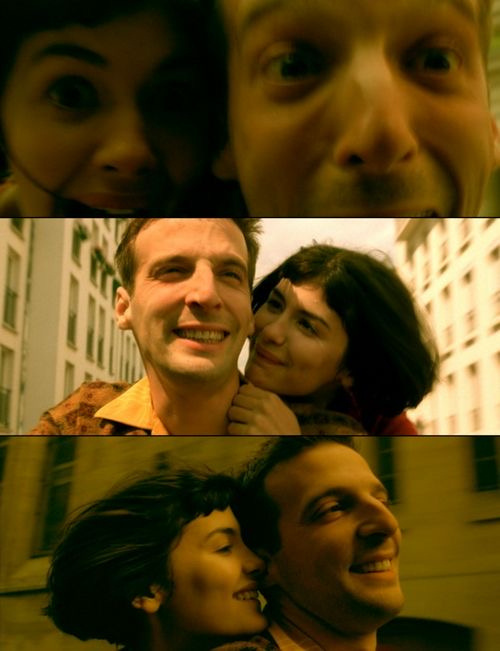
• Фильм “Амели” (2001). В этом фильме любовь Амели для неё является уникальным опытом, который создает новые смыслы и ценности в её жизни, что отражает феноменологический подход к любви как к глубоко личному и субъективному переживанию.
The film:”Amélie” directed by Jean-Pierre Jeunet.
Более свежие рассуждения о любви современных философов :
1. “Левинас (Emmanuel Levinas)”: Любовь как этическое отношение к Другому, где внимание к другому человеку является основой подлинной любви и морального долга.
2. “Деррида (Jacques Derrida)”: Любовь как асимметричное и неизмеримое отношение, где понимание любви связано с открытостью к неизведанному и неструктурированному.
3. “Бадью (Alain Badiou)”: Любовь как событие, которое создает новый смысл и устанавливает новые истины в жизни, выходя за пределы обыденности.
4. “Герцог (Martha Nussbaum)”: Любовь как способность к эмпатии и сочувствию, связанная с развитием человеческих качеств и моральных добродетелей.
5. “Кейди (Robert Solomon)”: Любовь как форма экзистенциального выбора, которая выражается в эмоциях и действиях, создающих смысл и идентичность.
6. “Маркс (Terry Eagleton)”: Любовь как социальный и культурный конструктивный элемент, формирующий и поддерживающий социальные и личные отношения.
7. “Санчес (José Ortega y Gasset)” : Любовь как форма глубокого понимания и осознания человеческого существования и предназначения.
8. “Эти (Simon May)”: Любовь как фундаментальная часть человеческой идентичности и существования, связанная с поиском смысла и значимости.
9. “Тьебо (Axel Honneth)”: Любовь как ключевой элемент социального признания и развития, который обеспечивает чувство принадлежности и ценности.
10. “Розен (Esther Perel)”: Любовь как сложное взаимодействие между желанием и обязательствами, исследующее динамику отношений в современном обществе.
И многие другие …
Любовь на уровне гормонов:
Как мы уже знаем, наши чувства тесно связаны с нашим гормональным фоном, и любовь далеко не исключение. Основные гормоны, участвующие в формировании чувства любви, включают окситоцин, вазопрессин, дофамин, серотонин, тестостерон и эстроген.
Окситоцин и Вазопрессин
Окситоцин, известный как “гормон привязанности”, высвобождается во время объятий или секса и помогает формировать эмоциональную связь между партнёрами. У женщин уровень окситоцина выше, поэтому они чаще испытывают сильную привязанность в отношениях.
Вазопрессин, аналогичный окситоцину, больше влияет на мужчин, усиливая чувство защиты и привязанности к партнёру.
Например, после тяжёлого дня женщина может чувствовать стресс, и объятия или просто время вместе на диване повышают её уровень окситоцина, укрепляя связь с партнёром и снижая напряжение. Если такие моменты отсутствуют, она может чувствовать эмоциональную отдалённость, что может вызвать напряжение в отношениях, если мужчина не понимает её потребности в физической близости для восстановления.
Дофамин и Серотонин
Дофамин вызывает чувство удовольствия и вознаграждения, и его уровень резко растёт, когда мы влюбляемся, вызывая эйфорию, похожую на наркотическую зависимость. Серотонин же может снижаться на начальных стадиях любви, что вызывает тревогу и навязчивые мысли о партнёре.
Например, если пара проводит много времени, повторяя одни и те же действия, уровень дофамина может упасть, и они начнут скучать. Чтобы поддерживать высокие уровни дофамина и свежесть отношений, полезно пробовать новые активности вместе, такие как посещение новых мест или занятия спортом.
Тестостерон и Эстроген
Тестостерон и эстроген влияют на сексуальное влечение. Тестостерон, уровень которого у мужчин значительно выше, отвечает за сексуальное желание. Эстроген, особенно у женщин, усиливает чувственность и эмоциональную реакцию на партнёра, особенно во время овуляции.
Например, мужчина может иметь высокий уровень тестостерона утром, что делает его более активным в сексуальном плане. Если женщина устала или её уровень окситоцина низкий, она может не откликаться на его инициативу. Это может вызвать у мужчины чувство разочарования, если он не понимает, что разница в желании связана с гормональными различиями.
“Любовь — это химическая реакция. Но она разжигается загадочностью, поддерживается желанием и угасает привычкой.”
(с) физик,Леонард Млодинов
Что было бы гипотетически, если бы на свете не было любви?
Давайте искать ответы на вопрос о том, что было бы гипотетически, если бы на свете не было любви, опираясь на пример эксперимента Джона Кэлхута “Вселенная 25”.
В 1954 году Кэлхут начал эксперименты в Роквилле, а в 1972 году провёл знаменитый эксперимент “Вселенная 25”, чтобы изучить поведение мышей при изобилии ресурсов и ограниченном пространстве. Эксперимент начался с 8 мышей в идеальных условиях, где было место для 3840 мышей. Популяция удваивалась каждые 55 дней, достигнув 2200 мышей, после чего началась деградация.
Основной проблемой стало перенаселение, несмотря на изобилие ресурсов. Мыши начали проявлять агрессию, каннибализм и нарушения половых функций. Некоторые из них полностью изолировались, сосредоточившись на уходе за собой, что привело к образованию групп изгоев и снижению размножения. Самки начали пренебрегать потомством, увеличив смертность новорожденных.
Если перенести эти наблюдения на гипотетический мир без любви, можно предположить, что отсутствие этого важного аспекта привело бы к разрушению социальных структур, снижению качества жизни и моральной деградации. Кэлхут считал, что подобные последствия могут случиться и в человеческом обществе.
ЧАСТЬ 3 – ЛОЖЬ И ЛЮБОВЬ
Dvlan Sprouse on his Instagram
Любовь и ложь часто связаны. Многие боятся близких отношений из-за страха быть обманутыми: женщины боятся измен и потерянного времени, мужчины — финансовых потерь и использования. Однако это только поверхностное мнение. Исследуем ложь на разных стадиях отношений: до, во время и после.
Начальный этап отношений :
Ложь здесь может играть роль сохранения имиджа .
Женщины:
Около 15-20% женщин скрывают правду, чтобы поддержать положительный имидж. Они могут прятать истинные мотивы, такие как черты характера, прошлые партнеры, настоящие чувства или финансовое положение. В России количество браков по расчету возросло почти в 13 раз с 90-х, и более 45% браков инициированы женщинами, что может указывать на скрытые мотивы. Женщины в возрасте 31-33 года, когда они чётко формулируют свои желания, могут лгать из-за давления общества и стереотипов о количестве партнеров и ревности. Это может создавать проблемы в отношениях.
А пока давайте подкрепим наши догадки примером из просочившейся в сеть информации о жизни знаменитостей:
“Мэрайя Кэри и Ник Кэннон”: До начала отношений с Ником Кэнноном, Мэрайя Кэри скрывала детали своих предыдущих романтических связей, чтобы сохранить свой имидж как успешной и независимой личности. Позже, после их брака, в СМИ обсуждали, что Кэри скрывала некоторые детали о своих прошлых отношениях и финансовых вопросах
Mariah Carey & Nick Cannon Sex Up The Pages of ‘EBONY’
Мужчины:
Мужчины могут искажать информацию о себе, чтобы создать более привлекательный образ. Это может включать преувеличение достижений, статуса или личных качеств.Давайте рассмотрим исследования ,проведенные на пяти контрольных группах:
1. Франция
• Исследование: По данным исследования 2022 года, проведённого социологическим институтом Ifop, около 37% мужчин во Франции врут на стадии знакомства, чтобы создать более привлекательный образ (Ifop, 2022).
2. Италия
• Исследование: В опросе 2021 года, проведённом Censis, 32% итальянских мужчин признались, что искажают информацию о себе на начальных этапах отношений (Censis, 2021).
3. Испания
• Исследование: По результатам исследования 2023 года, проведённого Centro de Investigaciones Sociológicas, 42% мужчин в Испании преувеличивают или скрывают правду на этапе знакомства (Centro de Investigaciones Sociológicas, 2023).
4. Аргентина
• Исследование: В исследовании 2022 года от Universidad de Buenos Aires сообщается, что 31% аргентинских мужчин врут о своих личных и финансовых качествах на начальных этапах отношений (Universidad de Buenos Aires, 2022).
5. Россия
• Исследование: Согласно опросу 2023 года от Левада-Центра, 36% мужчин в России признают, что врут, чтобы улучшить свой имидж на начальных этапах отношений (Левада-Центр, 2023).
Пример :
“Джей Гэтсби и Дейзи Бьюкенен (“Великий Гэтсби” Ф. Скотт Фицджеральд)”. Гэтсби выстраивает всю свою жизнь вокруг иллюзии и лжи, пытаясь впечатлить Дейзи. Но его обман, как и её самообман, приводит к трагическим последствиям. Ложь разрушает не только их отношения, но и жизнь Гэтсби.
“The Great Gatsby,” directed by Baz Luhrmann.
Этап самих отношений:
В начале отношений многие склонны приукрашивать себя, но со временем ложь выходит наружу. Исследование в *Journal of Social and Personal Relationships* показало, что около 50% пар осознают, что их партнёр не соответствует ожиданиям. А исследование Университета Канзаса выяснило, что 40% людей считают, что их партнёр изменился по сравнению с началом отношений.
Кадр из фильма “500 дней лета”, режиссер Марк Уэбб
Люди часто скрывают негативные чувства и проблемы, чтобы не нарушить гармонию в отношениях. Основные причины — страх конфликта, потеря отношений, желание защитить партнёра, а также низкая самооценка. Около 70% людей в мире страдают от низкой самооценки, что делает их склонными скрывать свои истинные эмоции и стремиться к внешней поддержке. В отношениях ложь проявляется сильнее, но это не избавляет нас от «необходимости» скрывать правду.
Photographed by George Marks
Многие пары не выдерживают стресса, вызванного ложью, и расстаются уже в первые месяцы. Исследования показывают, что 20-30% отношений, не ведущих к браку, заканчиваются в первый год. В США первый брак длится в среднем 8 лет, при этом 40-50% браков распадаются.
Около 30-40% пар в семейной терапии сталкиваются с трудностями в обсуждении проблем из-за страха последствий и нехватки навыков общения. Накопленные обиды и отсутствие коммуникации мешают решению конфликтов.
Примерно 40% пар с проблемами в отношениях обращаются к психологам, но 20-30% из них так и не начинают терапию. Около 40% пар расстаются до обращения за помощью. Некоторые откладывают расставание на полгода-два, оставаясь в отношениях из-за страха и надежды на улучшение, несмотря на внутренние сомнения.
Расставание :
Расставание — это не просто конец отношений, а сложный процесс, оставляющий глубокие эмоциональные следы. В такие моменты люди пересматривают накопленные обиды, вспоминая каждый случай лжи и предательства. Ложь в отношениях бывает разной — от мелких уклонений до серьезных измен, и каждая оставляет за собой тень недоверия и боли, которая остаётся надолго.
Photographed by Nicholas Falls.
Представьте, сколько раз ваш партнёр мог солгать вам за три года отношений. Если человек в среднем врёт два-три раза в день, то за три года (1095 дней) это может быть около 3285 лжи, а если частота выше, то цифра может достичь 4000-5000 раз.
Но обманы не заканчиваются с расставанием. Около 45% людей скрывают свои истинные эмоции после разрыва, чтобы сохранить хороший образ в глазах бывшего. Многие также врут знакомым и семье о причинах расставания. Исследование *Journal of Applied Social Psychology* показало, что 45% людей склонны преувеличивать негативные черты бывшего партнёра, чтобы оправдать своё решение и вызвать сочувствие.
Отдельно разберем случаи измен в отношениях:
К сожалению, измена сегодня стала частым риском для разрушения отношений. Хотя её восприятие изменилось, и многие уже не считают её настолько серьёзным нарушением, в классическом понимании измена остаётся неприемлемой и причиняет значимую эмоциональную травму.
По статистике, опубликованной в *Journal of Marriage and Family* (2020), около 20-30% людей изменяли своим партнёрам. Другое исследование в *Archives of Sexual Behavior* (2019) показало, что около 40% женщин и 50% мужчин хотя бы раз думали о возможности измены.
Что если это природа ?
Миф о том, что мужчины полигамны, а женщины моногамны, не совсем точен. Исследования показывают, что у людей может быть естественная склонность к полигамии. Эволюция наделила нас инстинктами, которые иногда противоречат идеалу моногамии. Антропологи, такие как Хелен Фишер, считают, что наши предки могли иметь несколько партнёров для повышения шансов на выживание потомства. Дэвид Басс также поддерживает идею, что и мужчины, и женщины по своей природе не строго моногамны. В итоге каждый из нас способен сделать свой выбор.
Примеры :
Александр Пушкин и Наталья
– Личная жизнь Пушкина также наполнена примерами, когда ради любви приходилось прибегать к лжи. В частности, его отношения с Натальей Гончаровой включали моменты скрытности и обмана, что в конечном итоге привело к его дуэли и смерти.
An illustration for Alexander Pushkin’s novel “Eugene Onegin”, created by artist Alexei Kravchenko.
Кассие и Нейт из сериала “Эйфория”
Нейт, один из главных героев , изменяет своеей девушке с её лучшей подругой,что становится важной сюжетной линией и вызывает значительные эмоциональные и межличностные конфликты и в итоге разрушительные последствия для обоих провинившихся .
Cassie.,film: “Euphoria”. Directed by Sam Levinson.
Нельсон Мандела и Винни Мандела
Они стали известными не только как пара, но и из-за сложных отношений. Во время заключения Нельсона Винни активно занималась политикой, но позже оказалось, что она участвовала в нарушениях прав человека. Это подорвало их отношения и привело к разводу.
Nelson Mandela and his wife. Unknown photographer.
Заключение :
По моим личным выводам, любовь и ложь – это вечное противостояние. В нашем мире слишком много лжи и недостаточно искренней любви. Чтобы наши отношения отражали истинные желания, нам необходимо быть честными друг с другом. Мы должны освободиться от ожиданий общества и следовать своим подлинным стремлениям. Истинные отношения возможны лишь тогда, когда мы открыты и искренни.
Слишком много пар расстаются из-за недомолвок и несказанных слов. Слишком много измен происходит, потому что люди не умеют справляться с существующими проблемами. Расставания и травмы возникают, когда человек не может вовремя выразить свои эмоции и не знает, как это сделать. Однако всему можно научиться, и никогда не поздно поговорить откровенно и по душам.
“Любовь — это не просто чувство; это искусство. И, как и любое искусство, любовь требует честности, искренности и готовности смотреть правде в глаза.”
How Relationships Change After Attending Sex Parties
More than 80% of men and women consider sex as one of the foundations of serious relationships and a happy marriage. In long-term relationships, it often turns into a routine or disappears altogether. To maintain a harmonious connection in a couple, psychologists advise some sexual experiments. The idea of going to a sex party with a partner to rekindle passion may seem crazy. However, there are always many couples at such events. Let’s see how this experience can affect relationships.
Chapter 1. Reasons for Decreased Sexual Interest
The longer partners are in a relationship or marriage, the less their sexual interest in each other. The human body is physiologically oriented towards novelty. Men produce more sperm for a new woman, and women with a new partner have a higher chance of conceiving. Household routine and lack of distance reduce libido. This can lead to resentments. Often, after intimacy, emotional closeness also disappears. Psychologists believe that sexual experiments help maintain a vibrant and regular intimate life.
Chapter 2. Why Sex Parties?
Sex parties come in various forms. For example, at swinger parties, couples swap partners, while at kink parties, you can dance and watch erotic shows. You can have sex there, but it’s not mandatory. Additionally, there are opportunities to try different practices, learn new techniques, or simply observe and socialize with others. For some couples, this is enough.
Motivation to attend a party varies. For most couples, it’s the desire to add something new to their intimate life. Sometimes one partner already has experience attending such events. Some couples decide to attend a party after several years of preparation and discussions, while others agree quickly and easily. Although sex parties are a safe space for experiments, there is still a chance of encountering unpleasant consequences. The impact of this experience on the relationship or marriage can vary and depends on many factors.
Chapter 3. The Impact of Sex Parties on Relationships
Event organizers say that attending their event together will not fix problematic relationships. More often, the effect is the opposite and leads to new conflicts. If there is misunderstanding in the relationship, it should be addressed first.
It’s also important that the decision to attend the party is voluntary. If one partner goes against their will or only for the sake of the other, they are likely unable to relax or may be shocked and disappointed. This is more akin to violence against oneself or the partner. The impact on libido is likely to be negative.
Regular swinger party attendees say that relationships younger than 3-4 years rarely withstand partner swapping. Often, the suggestion to try such an experience hides the partner’s simple desire to sleep with a specific person. Or the less banal desire — to watch their partner with someone else.
Such and other fantasies can unexpectedly manifest after attending sex parties. Since one can explore their desires there, many discover new facets of their sexuality. Initially, this can be frightening. Unconventional fetishes are often considered something forbidden or shameful. Sexologists claim that true passion hides behind shame.
In the sex-positive community, it is customary to speak honestly about one’s desires and openly discuss concerns. If partners treat each other’s desires with respect and care, they can find compromises, gradually adjusting their sex life. Such communication improves mutual understanding and trust, helping to eliminate the fear of cheating or infidelity.
It’s better to discuss expectations and set boundaries before the party. Otherwise, jealousy, distrust, and a sense of betrayal may arise or intensify. At the event, it’s important to monitor each other’s emotions and share impressions afterward. If both partners enjoy the experience, it can strengthen the sense of closeness.
For some, this extreme experience may not be suitable, but you can only understand this by trying. Sometimes couples only need one date in such a place to loosen up, start sharing fantasies, and try something new at home. For others, parties become a hobby. Partners attend workshops, flirt with new people, or look for someone for a threesome. Some couples’ relationships take on a new form.
Chapter 4. Open Marriage and Polyamorous Relationships
Monogamous relationships involve two partners. Among regular participants in the sex-positive community, many couples abandon the traditional relationship format. This often happens after periodic visits to sex parties.
In modern society, the idea of finding one partner for life is actively promoted in the images and plots of literature and cinema. Jealousy is often considered a sign of love. But there are people who feel joy, excitement, or interest from their partner being happy with someone else. This feeling is called compersion. Although the term does not yet have a universally accepted definition, psychologists believe it is not limited to intimate relationships. Developing this feeling can strengthen any relationship, improve mutual understanding and support.
Sometimes, after the experience of attending sex parties together, people are surprised to find a high level of compersion in themselves or their partner. In such cases, the likelihood of opening up the relationship without negative consequences is higher.
In open relationships or open marriages, both partners can, by agreement, date and have sex with other people. Lovers do not become part of the union. Concealing intimate relations with someone else can also be considered infidelity. If honesty is maintained between partners, this relationship format combines safety with a sense of freedom.
The next stage in relationships can be polyamory. Polyamorous relationships are romantic and/or sexual unions where all participants are equal and involved. Research shows that among such partners there is more honesty, closeness, sexual satisfaction, and less jealousy compared to monogamous relationships. Polyamorists note that they have more love than is necessary for one partner. Their feelings can be enough for several lovers.
A strong non-monogamous union requires the couple to have well-developed critical thinking as well as a lot of strength and patience. Maintaining such relationships is often more challenging than exclusive ones. Often, during the adjustment process, partners realize they want different things and part ways.
Conclusion
After attending sex parties, relationships between partners can become more passionate, take on a new form, remain the same, or end. It is impossible to predict exactly how such an experience will affect relationships. The article describes the possible consequences and their causes. However, the most important factor remains the personal qualities and relationships of the people involved. Honest communication, mutual consent, respect for each partner’s boundaries, and openness to new experiences can make such parties a source of understanding and strengthening the bond. Insecurity, jealousy, and boundary violations can lead to deteriorating relationships. The main thing is that any experiments in sexual life are based on mutual respect and love.
Can sex parties refresh relationships in a couple or marriage? – Yes
Do sex parties always positively influence relationships in a couple? – No
Can attending a sex party improve problematic relationships? – No
Should you agree to go to a sex party just for the sake of your partner? – No
Should you discuss attending the party with your partner before going? – Yes
Can the level of closeness and trust with your partner increase after a sex party? – Yes
Is it possible to improve mutual understanding with your partner after a sex party? – Yes
Can you experiment in your sex life if everything is good in the relationship? – Yes
To date, we are either searching for existing studies or will conduct our own later. We are always open to your ideas on how to improve our articles. If you have any suggestions on how to make the material better, correct inaccuracies, or share unknown facts and studies with us, please do not hesitate to let us know! Just fill out the form below the article.
If you are interested in the discussed topic but cannot help with information, you can support our team by allowing us to conduct our own research! Below you will find a donation form for research.
This website uses cookies and similar technologies to ensure proper functioning of the site, improve user experience, and analyze traffic. By continuing to use this website, you consent to the use of cookies in accordance with our Privacy Policy. You may disable cookies in your browser setting at any time.


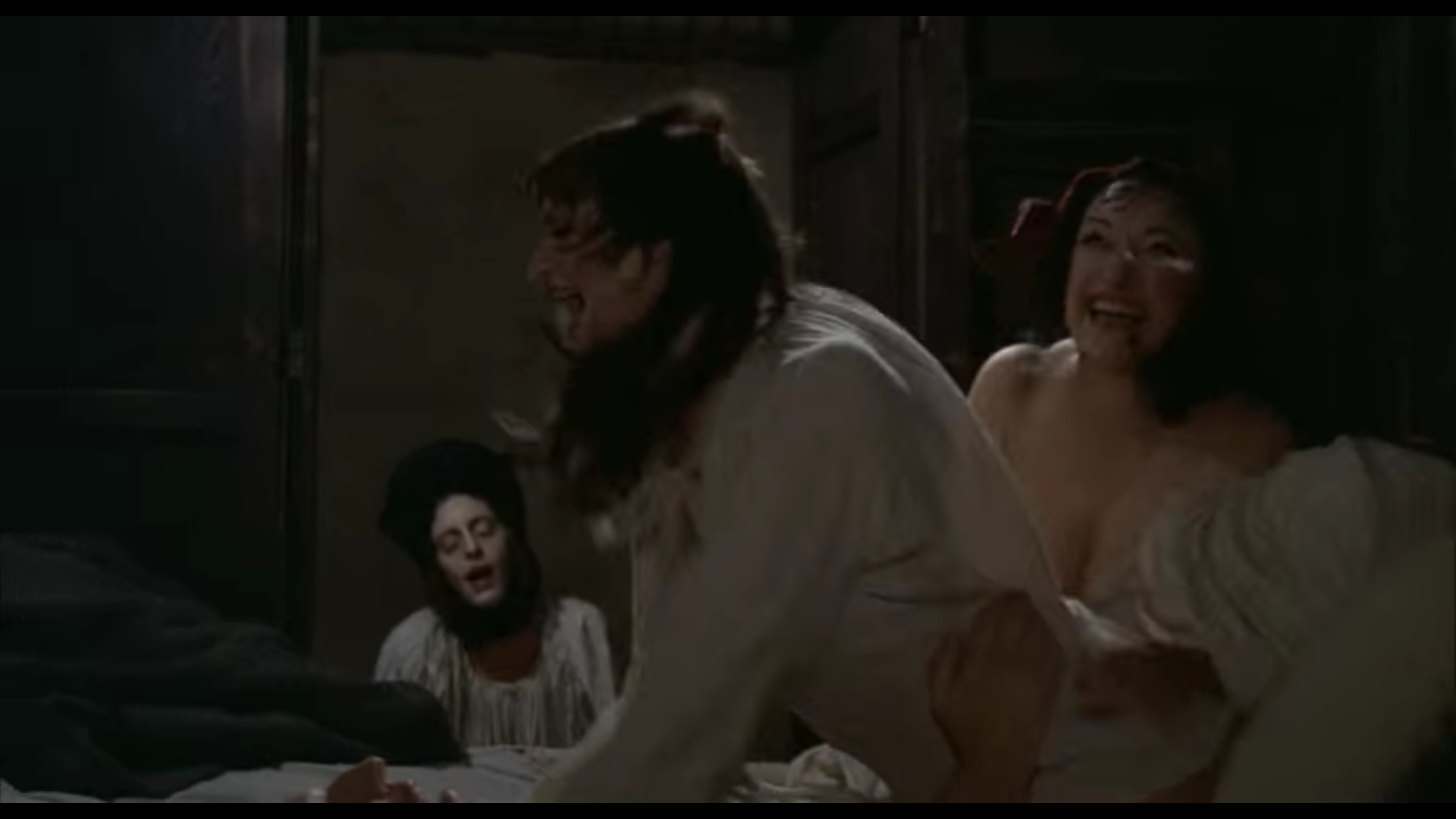


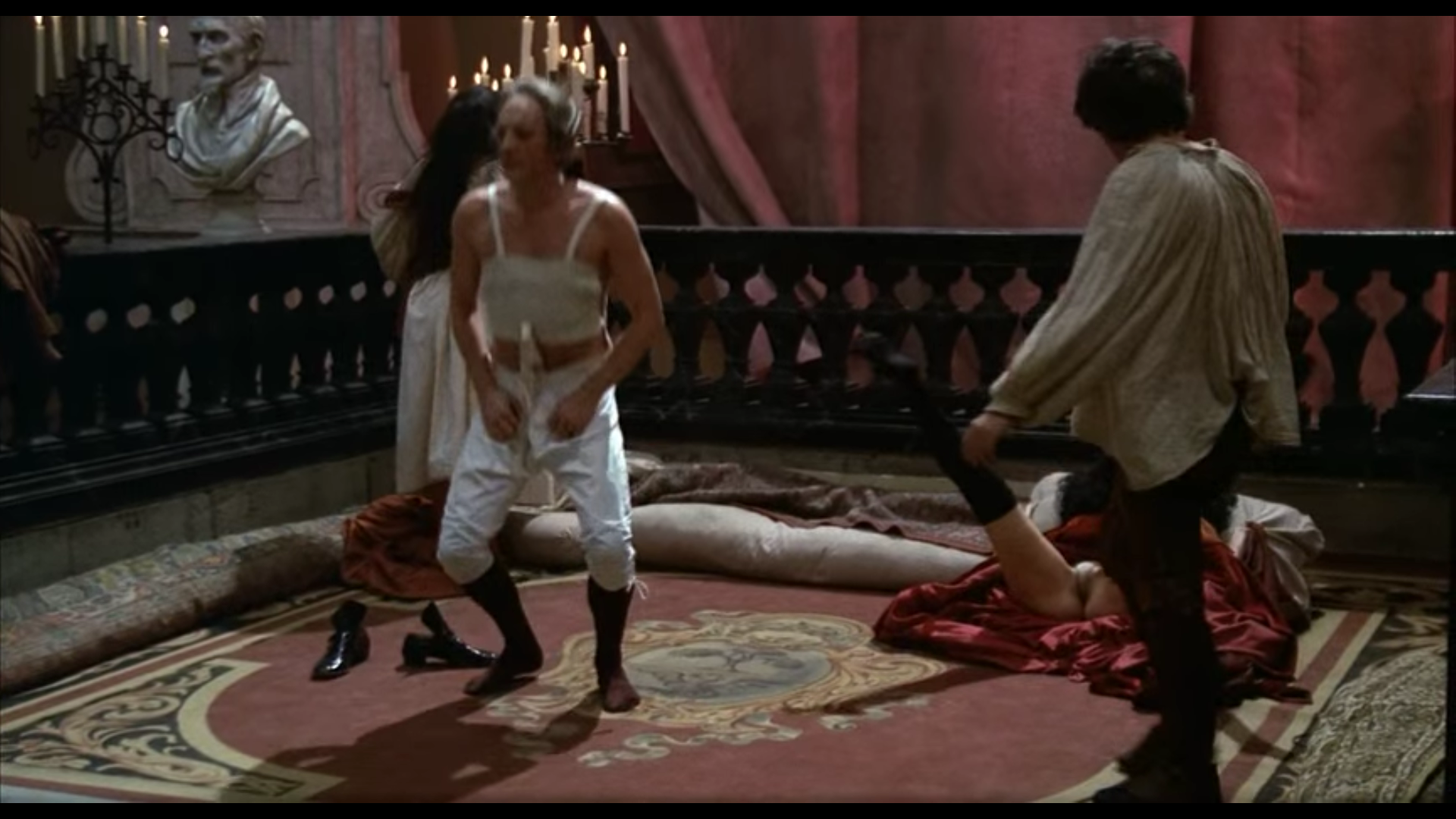
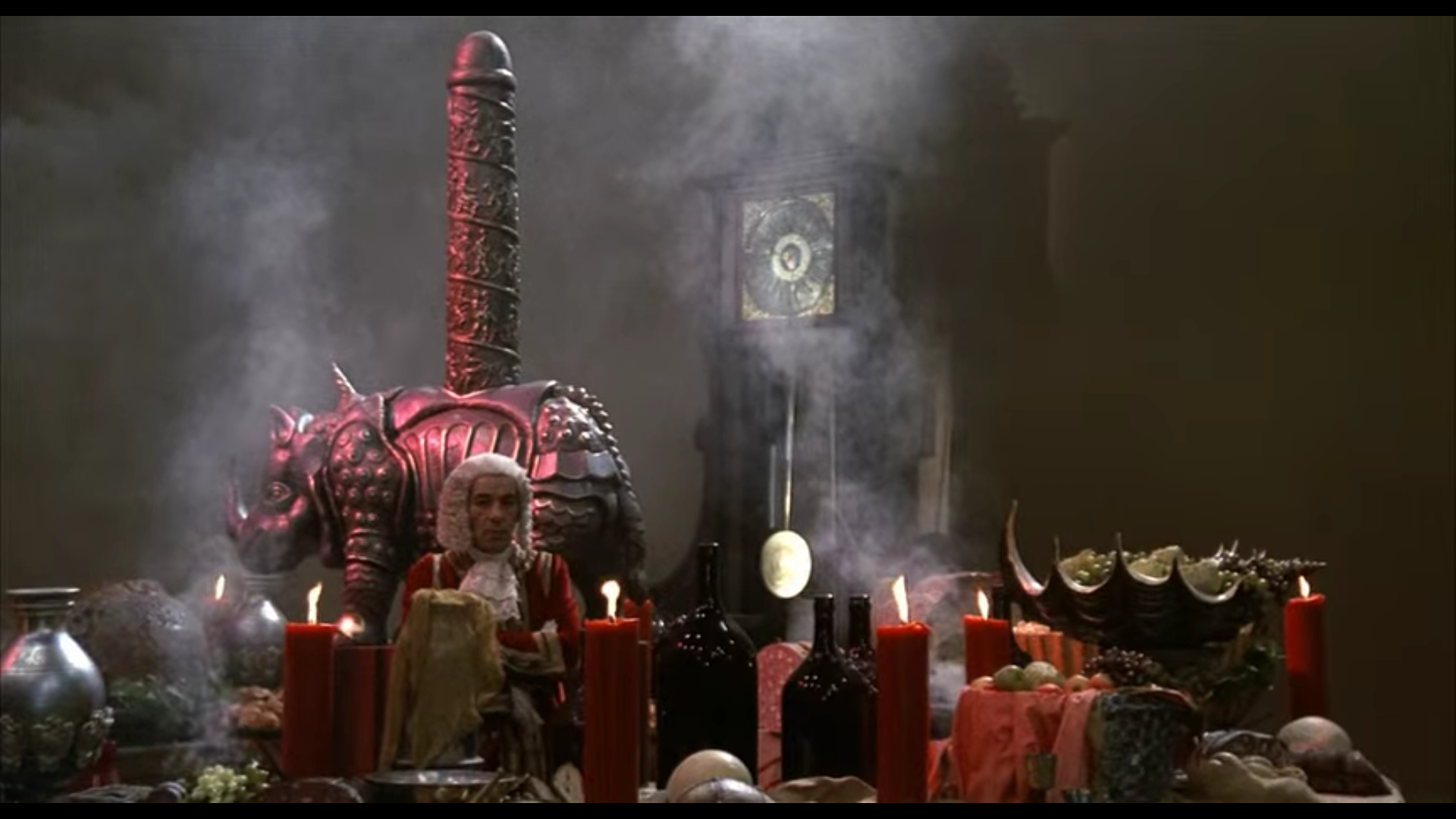


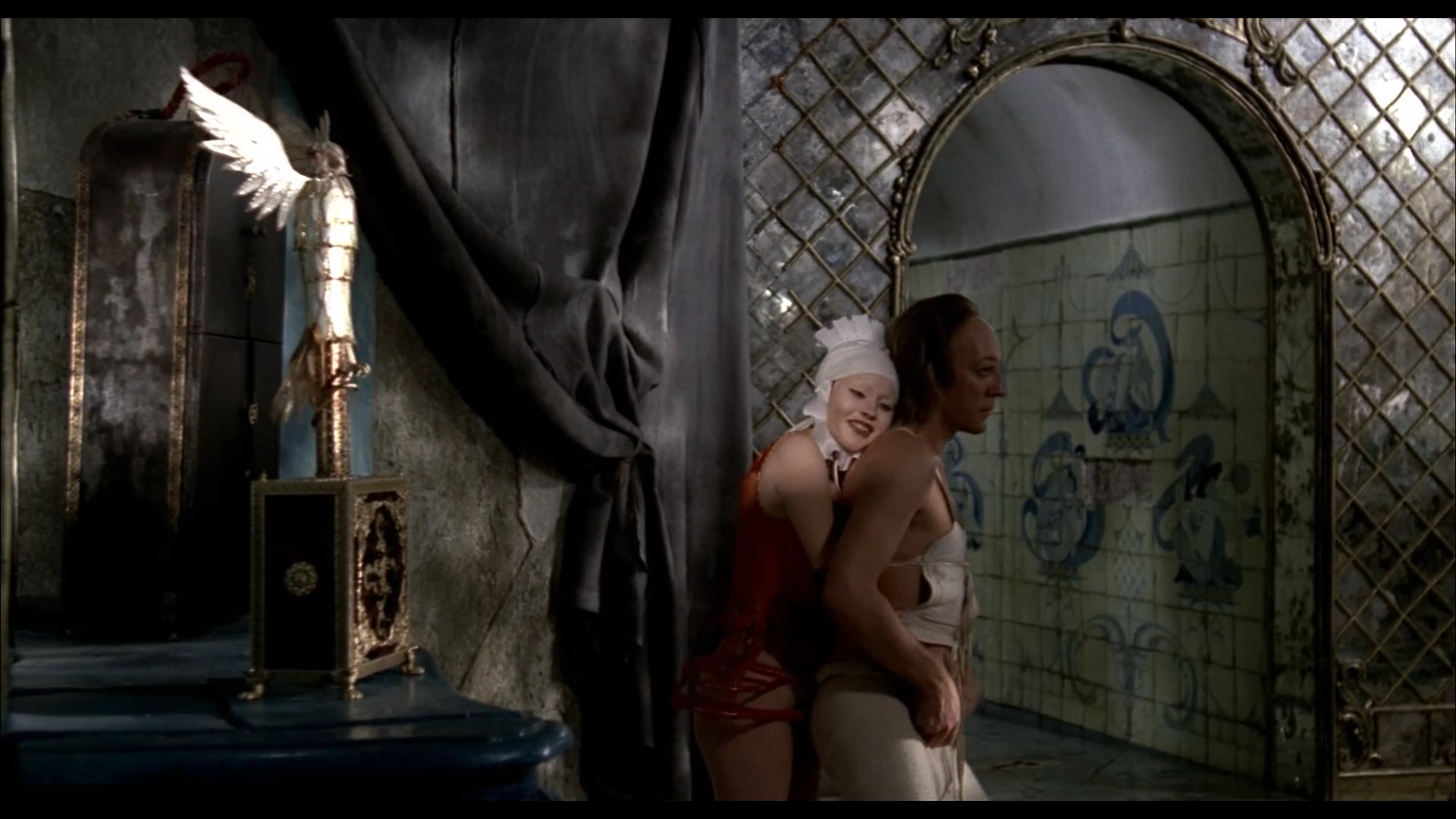


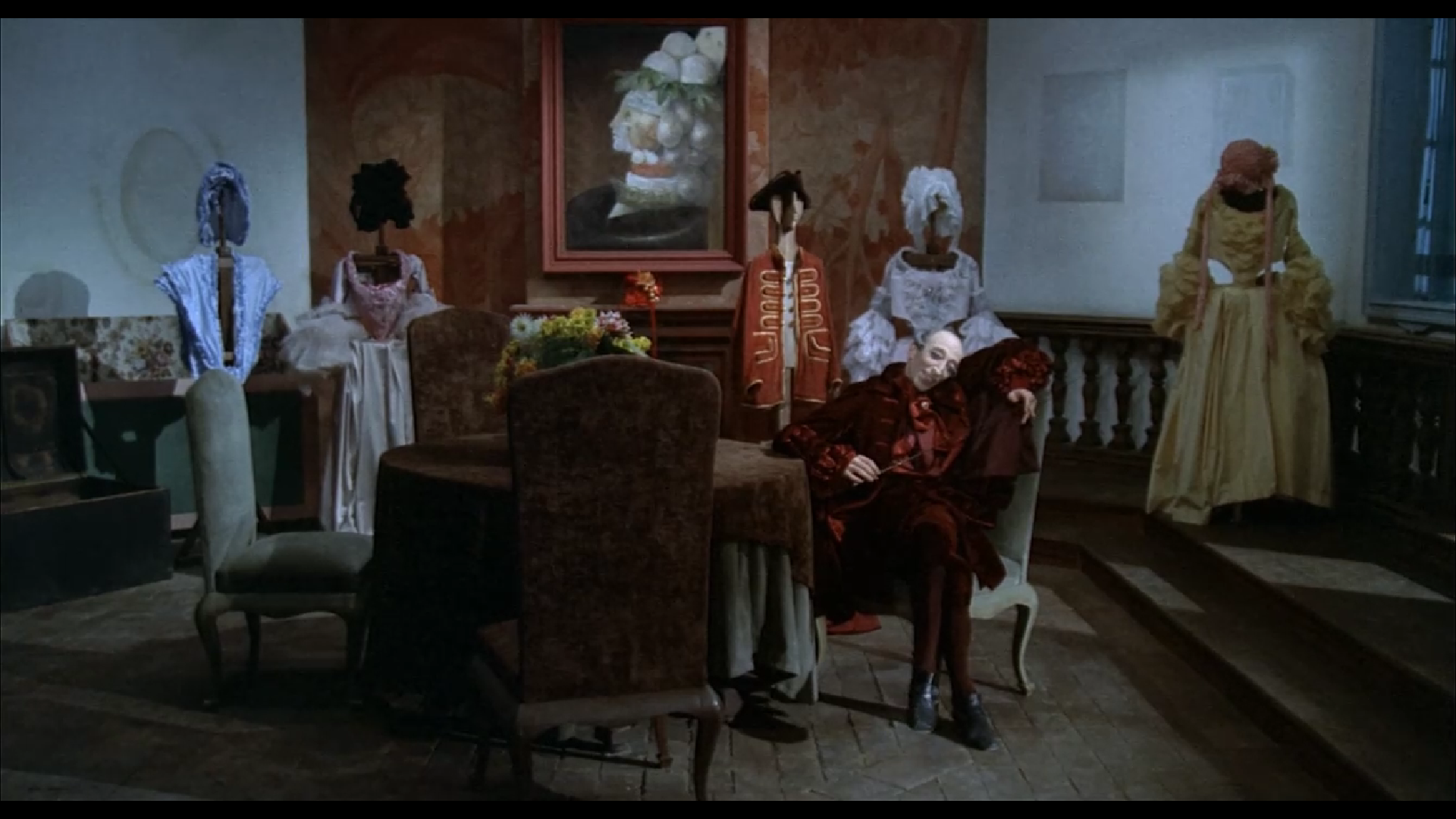
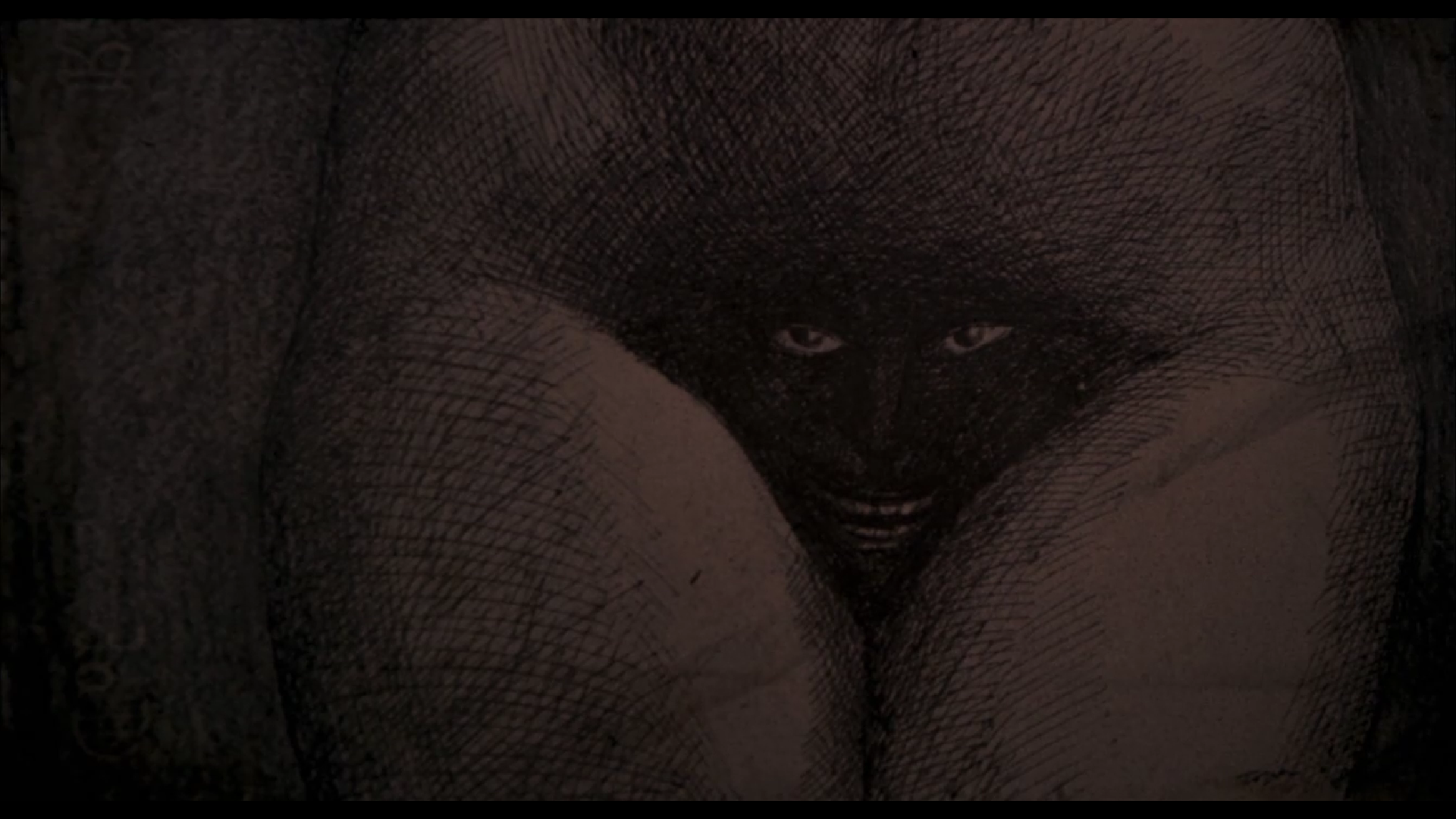


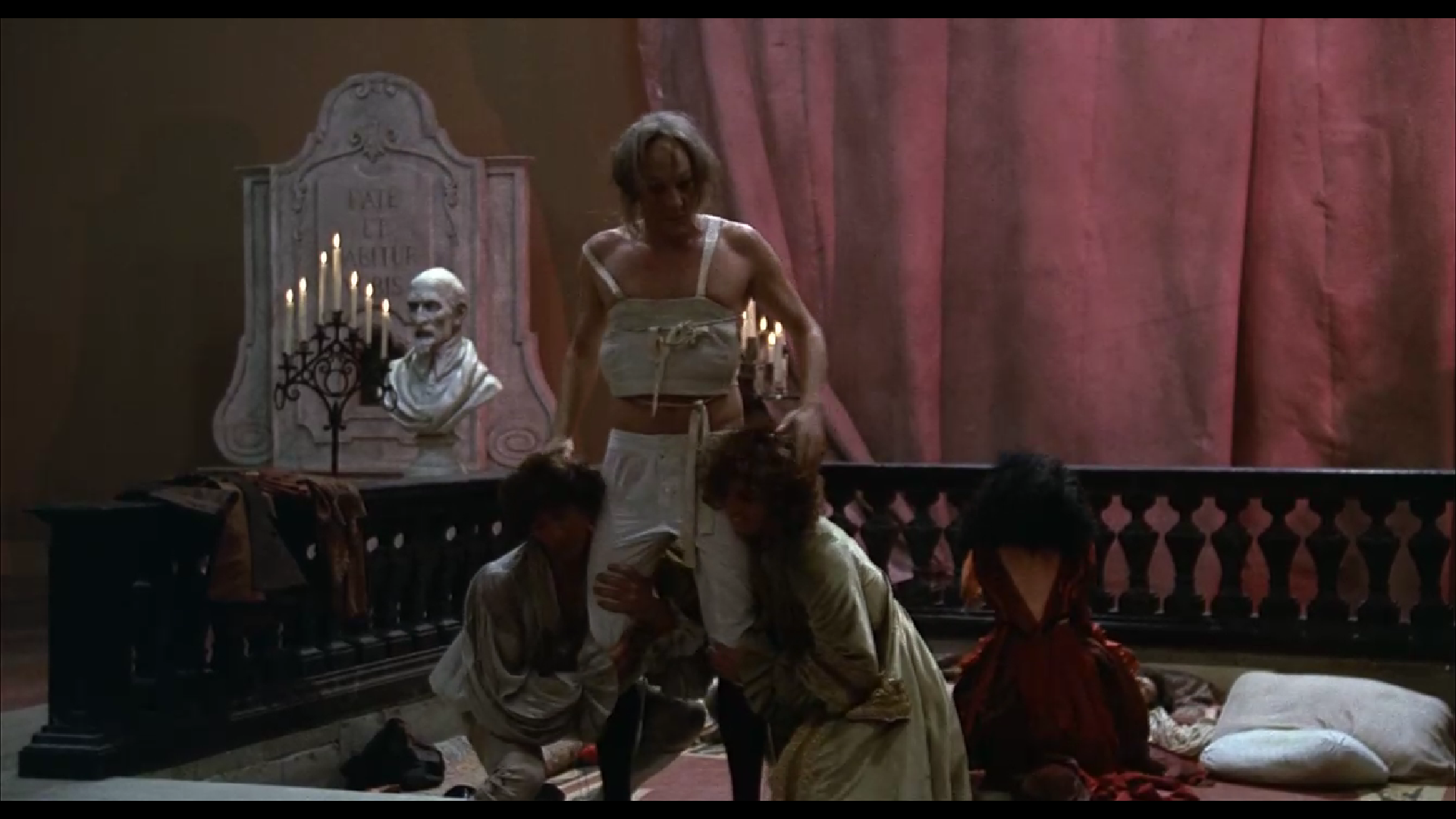


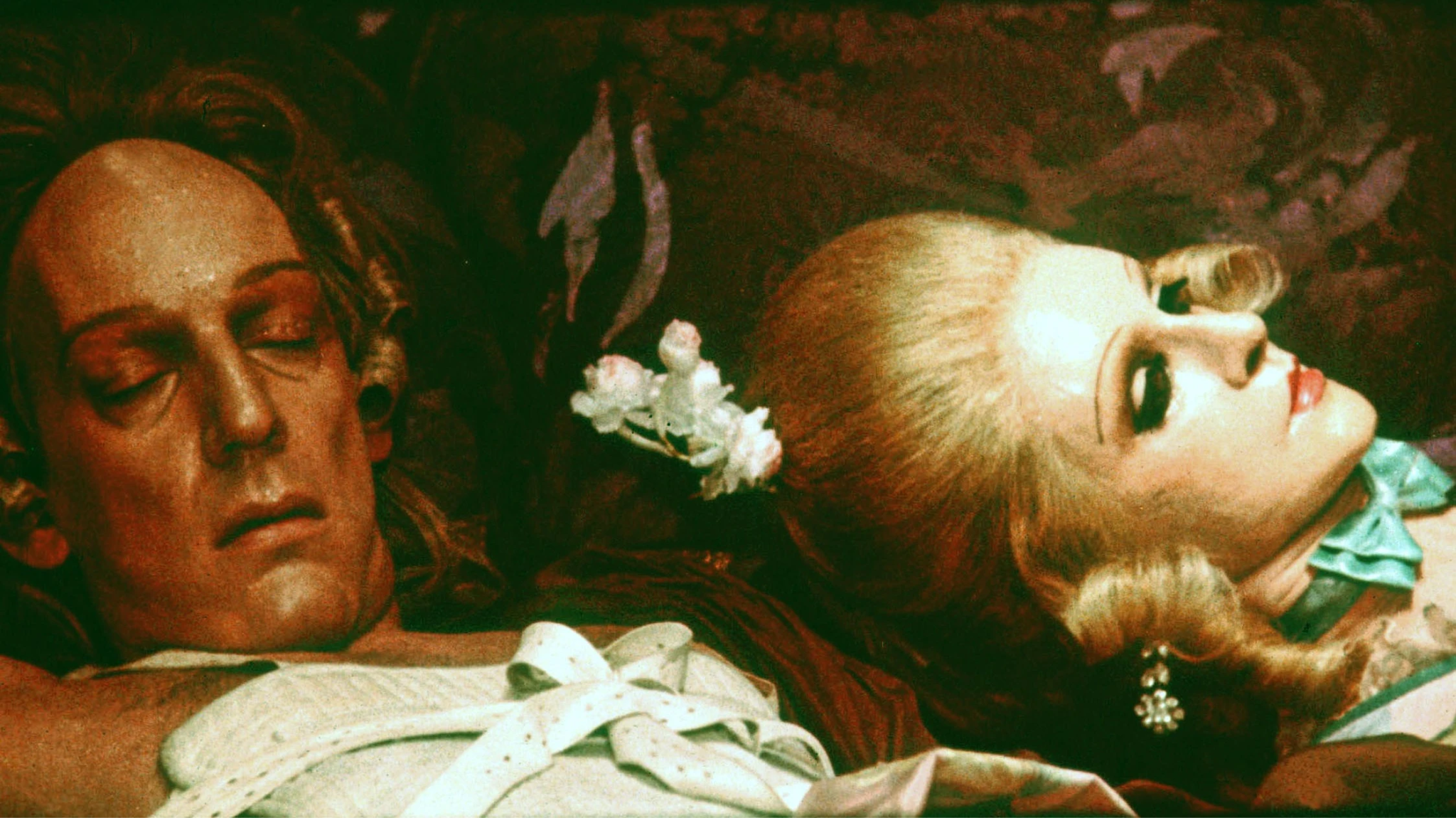
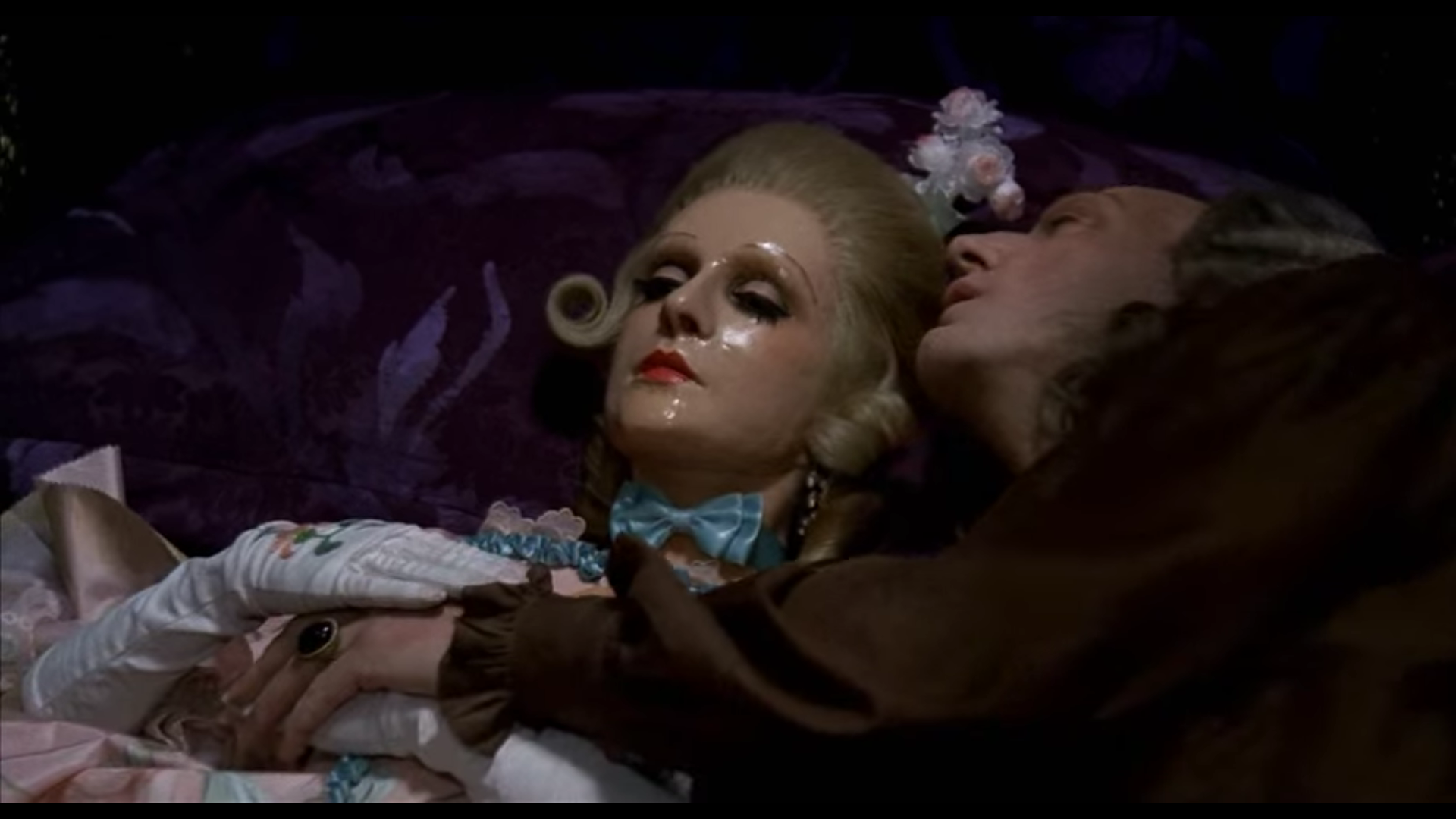
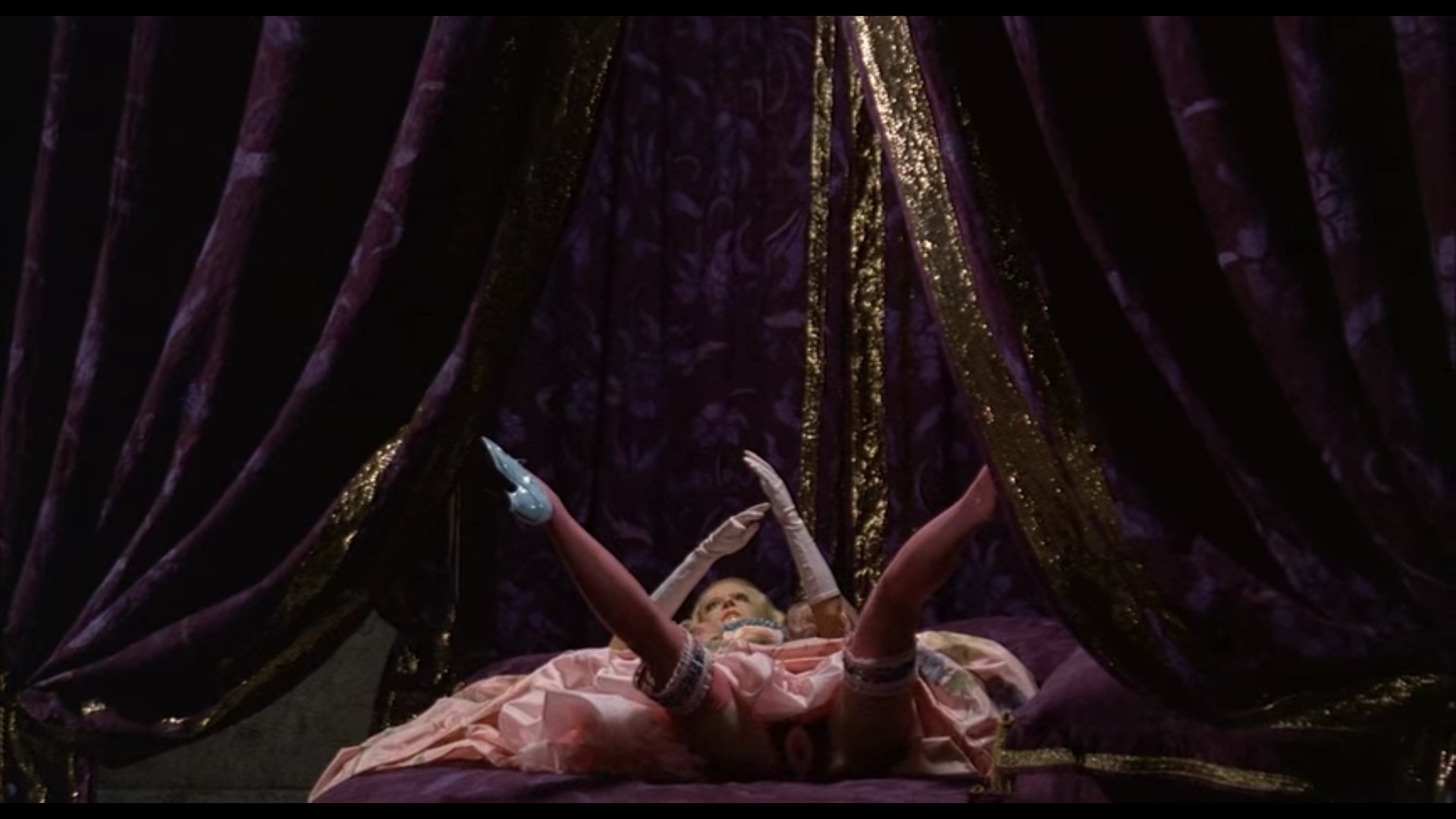
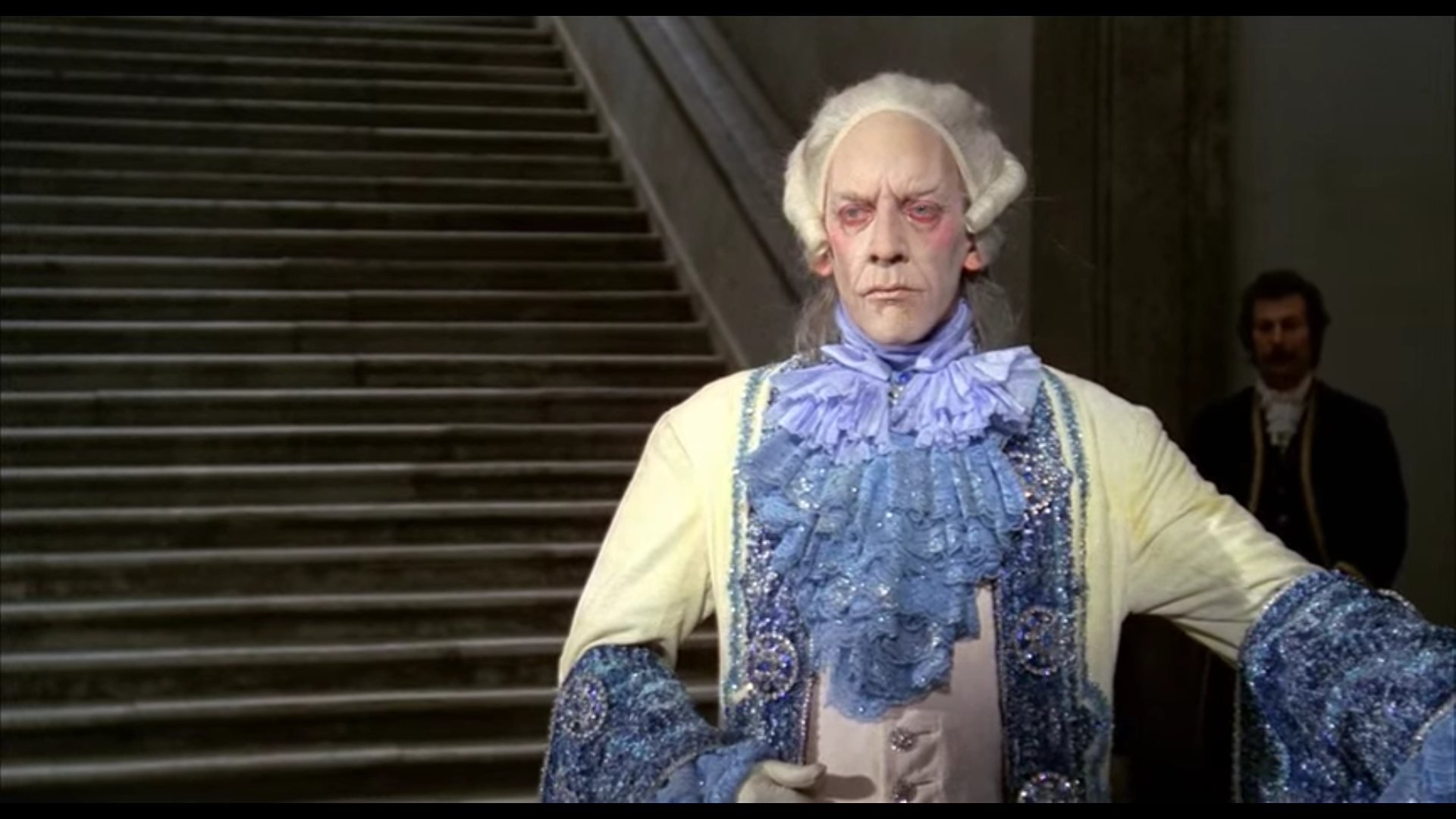
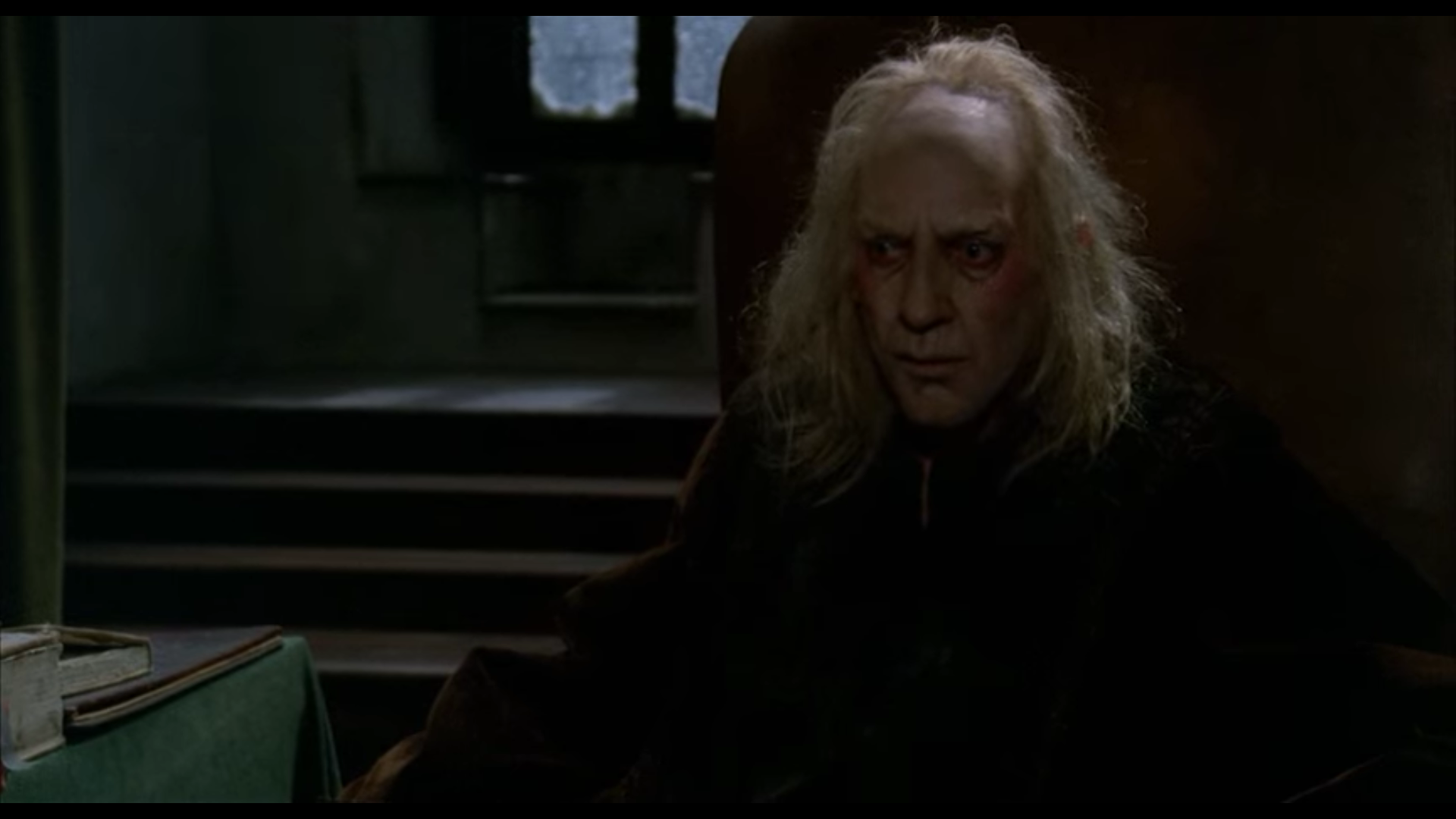
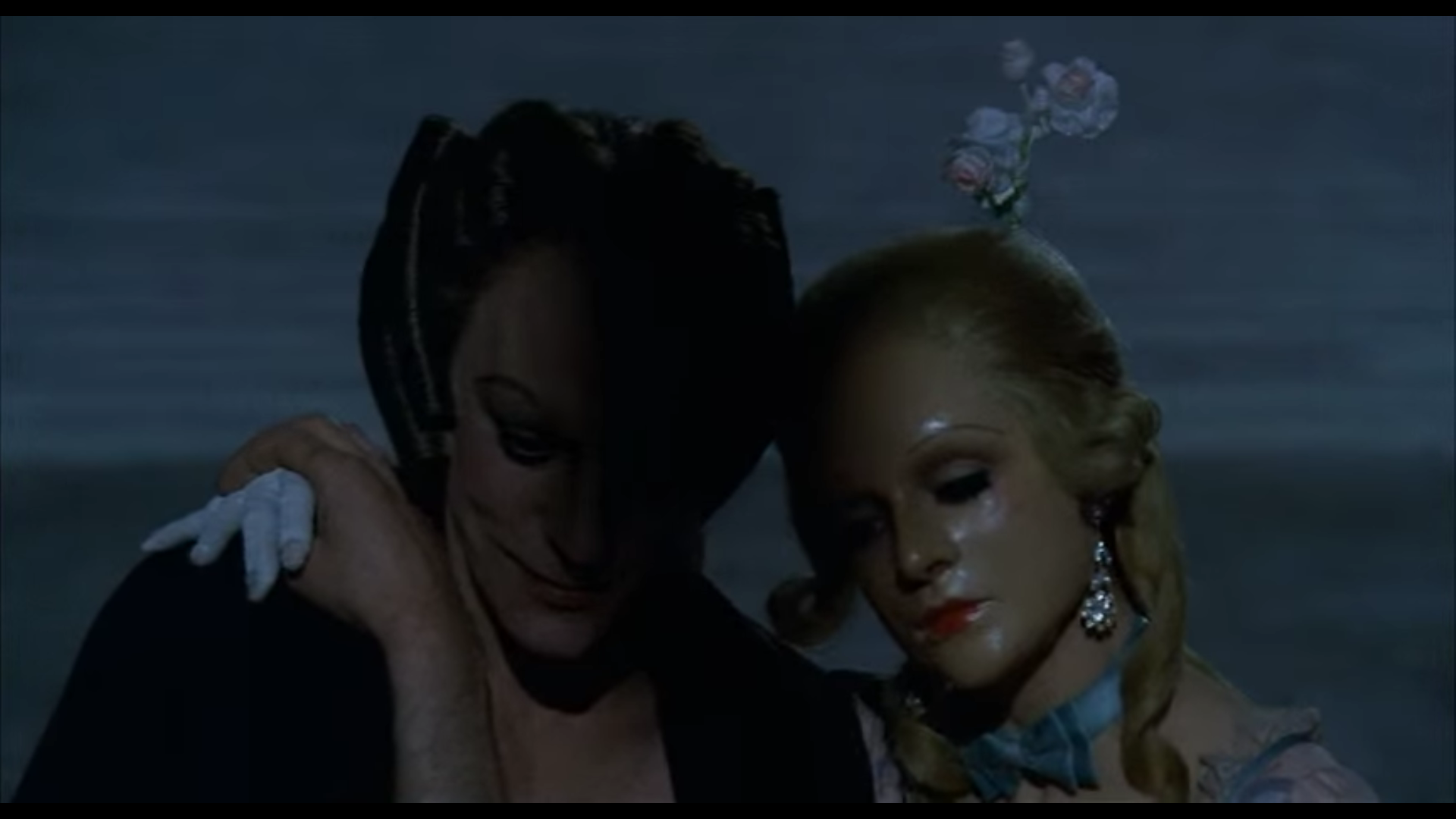


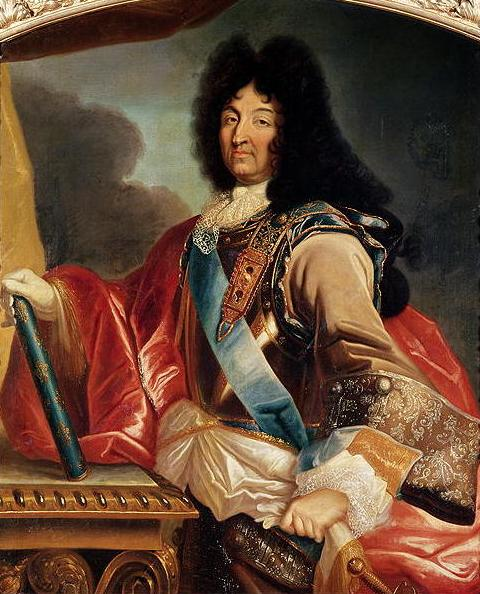


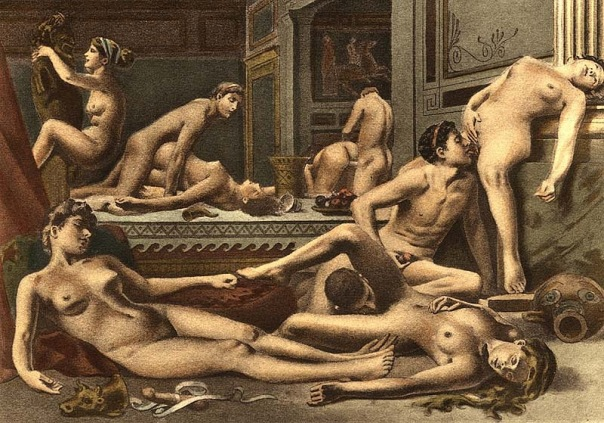
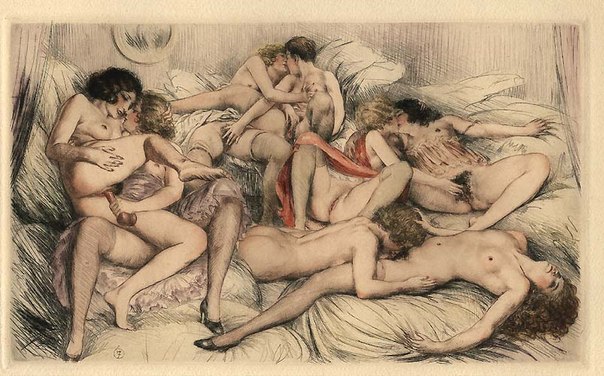


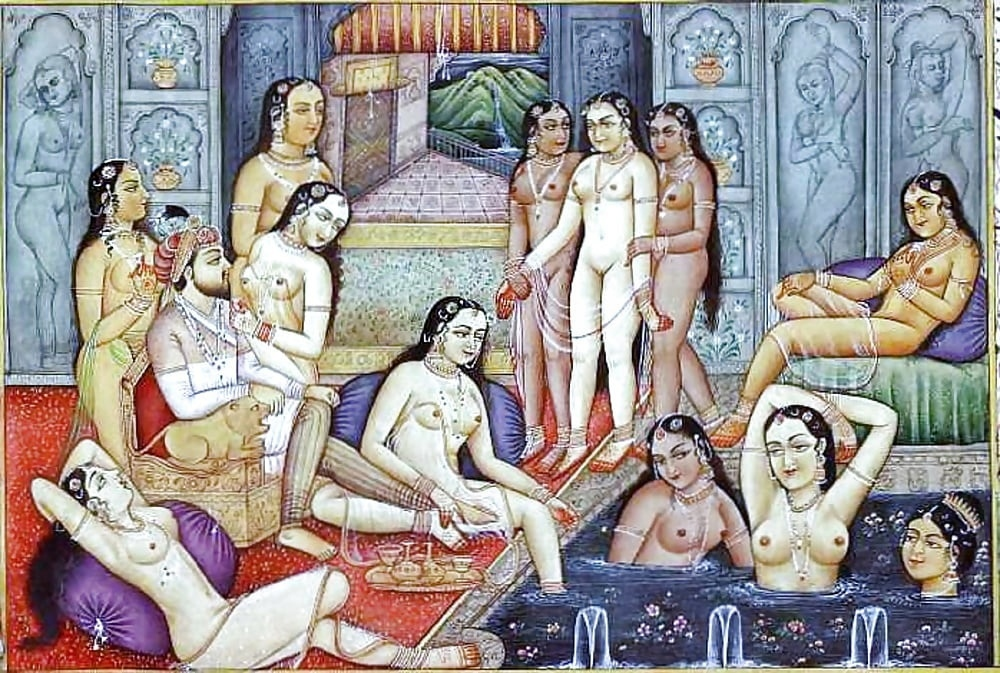


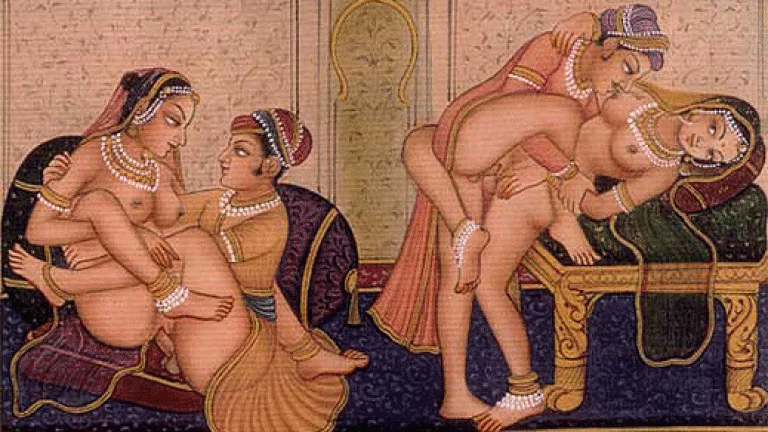

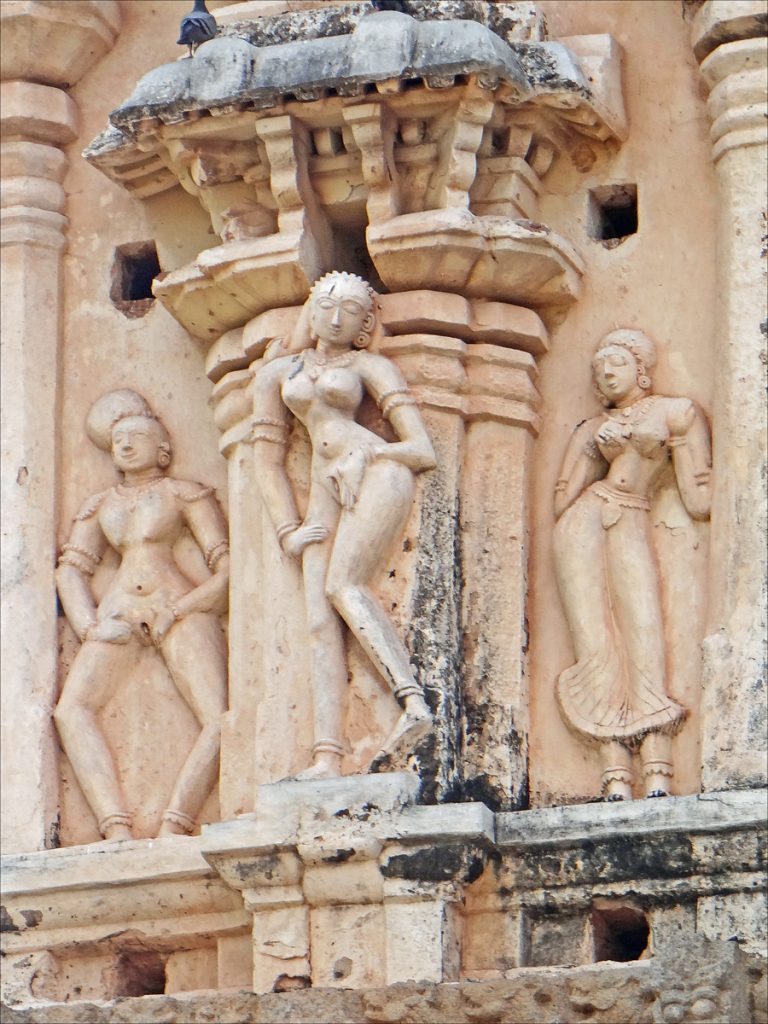
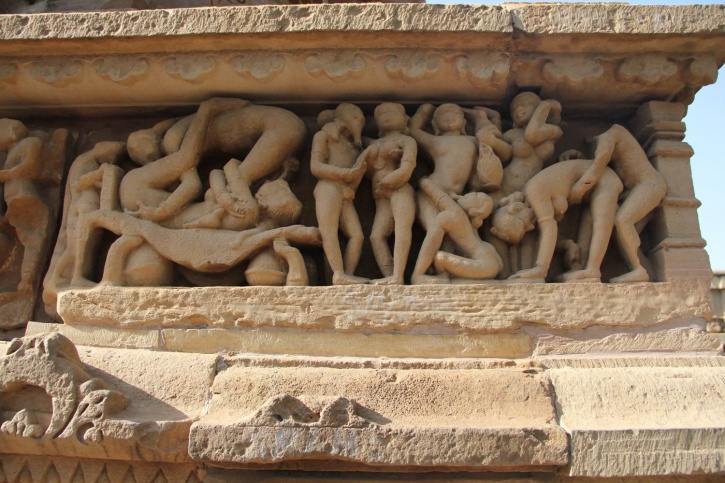 Temple in Khajuraho