History of Orgies in Cuba: Traditions, Rituals and Social Roots of Sexual Customs
Cuba is a unique cultural mix shaped by centuries of colonialism, African influences and modern social experimentation. Cuba’s sexual culture is a reflection of this diversity. From the rituals of ancient tribes and African religions to the hidden orgies of modern Cuban society, the island has always had a strong connection with the expression of sexuality. In this article, we’ll delve into the history of orgies in Cuba, look at how they were practiced in different cultures and religions, and explore how these traditions continue into the present day.
1. Indigenous tribes of Cuba and sexual rituals
Before the arrival of Europeans, Cuba was inhabited by the Tainos and Siboneas, indigenous tribes that had their own unique sexual traditions. These peoples revered nature and practiced fertility cults that were closely associated with their way of life based on agriculture and fishing. For them, sexual rituals served as an important way to interact with natural forces and strengthen community.
Sexual orgies in such rituals were seen as a symbolic union of community and nature. The Taíno believed that during collective sexual acts they could activate the power of the earth’s fertility and attract the blessings of the gods to their crops. Sexual rituals were often performed outdoors, surrounded by natural elements such as water, earth and forest. Orgies had a deeper meaning than just physical pleasure – they were perceived as sacred acts that connected a person with nature and spirits.
2. African Heritage and Santería Rituals
After the Spanish colonized Cuba, thousands of African slaves were brought to the island, bringing with them their religious practices and customs. One such religion that was deeply rooted in Cuba was Santeria – a system of beliefs in which elements of Catholicism and traditional African religions are intertwined.
In Santería, sexual rituals and orgies played an important role in communication with spirits and deities (orishas). Rituals were often performed to invoke or appease specific spirits in order to obtain protection, fertility, or healing. One of the most famous spirits associated with sexual rituals is Oshu – goddess of love, sex and fertility. Oshu is worshiped with special attention, and her holidays are accompanied by symbolic rituals.
Ritual orgies in Santeria usually carried out in closed communities and among initiates. During such rituals, participants may enter trance states induced by dancing, music and drum beats. Sexual acts are perceived as a way of releasing energy and exchanging it with the deities. The dancing evolved into intimate interactions between participants, symbolizing the connection between the human and the divine.
3. The Colonial Era and the Sexual Promiscuity of the Elite
With the establishment of colonial rule, Cuba became an important economic center in the Caribbean region. But in addition to the sugar and tobacco trade, sexual practices flourished on the island, especially among the Spanish colonial elite. Sexual orgies became common entertainment among aristocrats and planters, who used their wealth and power to organize lavish parties.
Such events were often held in mansions and villas hidden from the public, where rich and influential people gathered. Evenings often included fancy dinners, alcohol and music, leading to outright sex parties. Cuba, as a colony, was an important meeting point for smugglers, traders and adventurers, which only increased the laxity of morals.
4. 20th century: the rise of sexual tourism and brothels
Cuba in the first half of the 20th century, especially in the 1940s and 1950s, became a famous destination for entertainment, sexual tourism and orgies. The country has attracted tourists from all over the world, especially from the United States. Havana has become the epicenter of nightlife with its countless bars, clubs, brothels and cabarets. Americans came to Cuba not only to enjoy the tropical climate, but also to engage in sexual adventures.
Orgies in Havana of that time were part of meetings in elite clubs and private villas, where private parties were held for wealthy tourists. Many brothels offered not only individual services, but also group sex parties, which were attended by both local girls and foreign guests. Havana’s sexual freedom was so popular that American celebrities and businessmen often came to Cuba in search of sensual pleasures. It was this period that cemented Cuba’s reputation as the “island of sexual freedom.”
5. Sexual rituals and political control after the revolution
After the 1959 revolution, when Fidel Castro came to power, the Cuban government took strict measures to control the morals and behavior of citizens. Many brothels were closed, and the sex orgies that had previously flourished among the upper classes and among tourists went underground. During this period, the state introduced strict moral norms in which open sexuality and public displays of such acts were discouraged.
However, even under strict control, some traditions, especially those associated with the religious rituals of Santeria, continued to exist in closed communities. These rites were performed in secret, and sexual elements remained important in spiritual and mystical practices. Under the revolutionary regime, free sexual relations increasingly moved into private circles.
6. Modern realities: sexual freedom in Cuba today
Today, Cuba is reopening to the world, and with the rise of tourism comes a revival of sexual freedom. In major cities such as Havana, there are several underground clubs and communities for swingers and group sex enthusiasts. Despite the fact that sex parties and orgies are not open to the public, they still find a place among certain circles, both among locals and tourists.
Conclusion
Orgies in Cuba are a multi-layered phenomenon linked to history, religion and social change. From ancient Taino fertility rituals to private parties and tourist orgies in the 20th century, sexual practices in Cuba have a long and complex history. Today, despite many years of state control, these traditions continue to live in hidden communities and clubs where sexual freedom is reflected.
Information sources:
1. **Blasco, O.** “Rituals and rites of the indigenous peoples of Cuba” – article in the magazine “Cuban Ethnography” (2020).
2. **Perez, M.** “Sexuality and culture of Cuba: origins and modern trends” – book, Cuba Publishing House (2021).
3. **Lopez, R.** “History and traditions of Santeria in Cuba” – book, Havana Publishing House (2019).
4. **Diaz, S.** “Sexual practices of the colonial society of Cuba” – article in the magazine “Historical Heritage of Cuba” (2018).
5. **Salgado, T.** “Cuba and Sex Tourism: 1940-1950s” – research presented at the Institute of Cuban Studies (2022).
6. **Martinez, A.** “Sexual freedom in modern Cuban society” – report at the conference “Cuba: Tomorrow in Context” (2023).
7. **Garcia, R.** “Economy and Sex in Cuba: From the Colonial Period to the Modern Era,” an article in the journal Caribbean Economics (2021).
Gay orgies in old Hollywood
The time required to read the article: 7 minutes
Gay orgies in old Hollywood. How was it?
In old Hollywood, especially in the 1920s and 50s, gay orgies and other secret meetings were quite common among celebrities, although they had to be carefully hidden due to social norms and career risks.
One of the main organizers of such events was Scotty Bowers, whose memoir “Full Service” describes his adventures in Hollywood. Bowers claims that he has arranged meetings for many famous actors, including Cary Grant and Katharine Hepburn. He also mentions that Cowell Porter often attended such parties and could enjoy the company of up to 15 young men at the same time.
Before proceeding to the main part, let’s break the article into two parts: first, let’s talk about the most famous organizers of orgies in old Hollywood, then about the participants of these events.
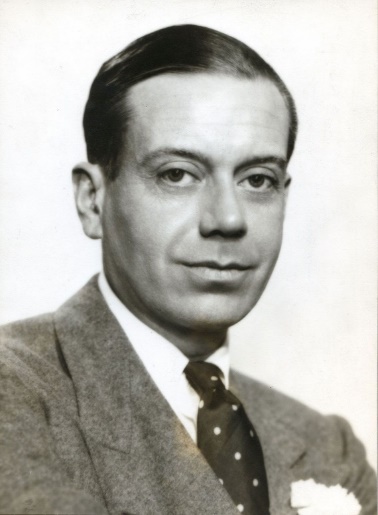
Cole Porter, a well-known composer and songwriter, was well known in the Hollywood gay community. Marriage to Linda Lee Thomas was “professional”, that is, it was needed for public cover (at that time homosexuality was not accepted by society) and to maintain a high social status. But Porter did not hide his homosexuality in a narrow circle. According to Scotty Bowers, Porter was a regular participant in gay parties and often hosted such events himself. His home in Hollywood has become a meeting place for many celebrities and young people.
Cole Porter often hosted parties where Hollywood’s elite gathered. These events were known for their free atmosphere, where guests could enjoy each other’s company without fear of judgment. Porter was known for his love of holidays and was able to create a relaxed atmosphere.
According to Scotty Bowers, also the author of the memoir “Full Service: My Adventures in Hollywood and the Secret Sex Lives of Stars,” Porter was one of his clients. Bowers organized meetings and parties where Porter could enjoy the company of young men. In his memoirs, Scotty mentions that Porter often ordered several young men for his parties.
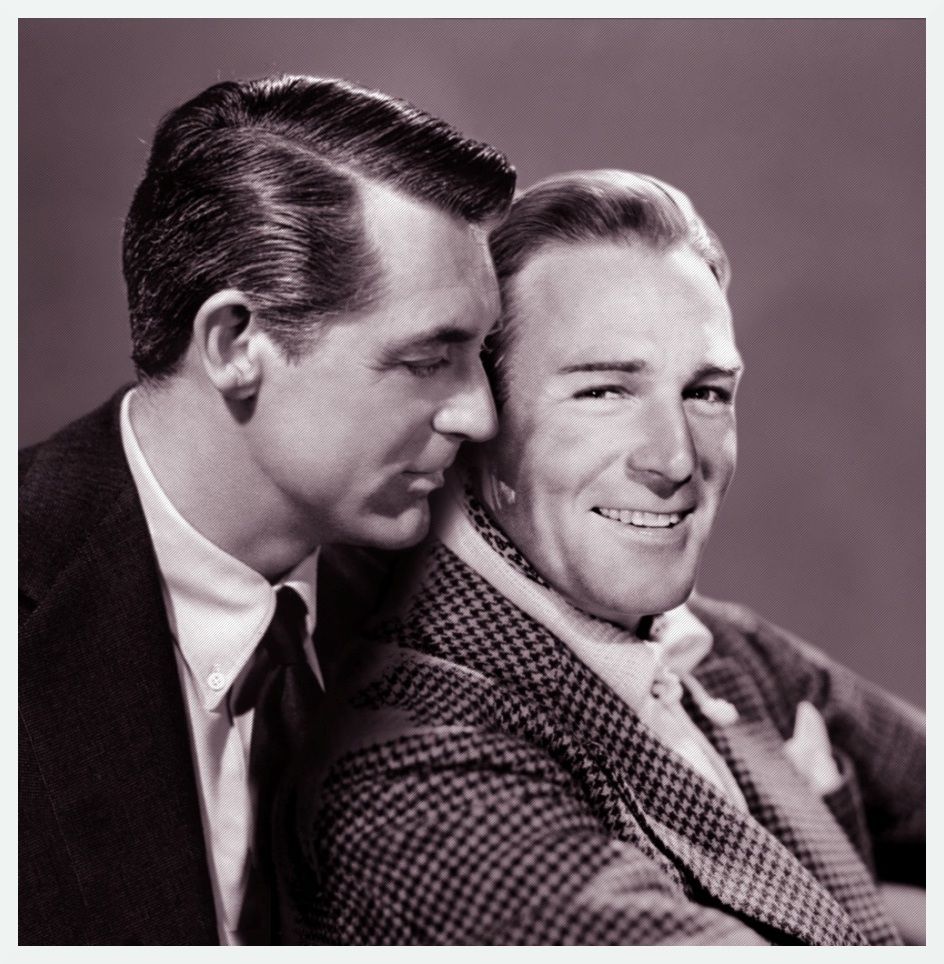
Porter’s guests included such famous personalities as Cary Grant, Randolph Scott, George Cukor, Charles Lawton and others.
Cole Porter left a significant legacy not only in music, but also in the cultural life of Hollywood. His parties and active social life helped create a more free and open atmosphere for members of the LGBT community at a time when homosexuality was strictly taboo
George Cukor was one of the most famous directors in Hollywood, and his personal life was also known in narrow circles. Cukor was openly gay, and his house became the center for many private gay parties that became legendary in Hollywood.
Cukor began his career in Hollywood in the late 1920s and quickly gained recognition for his directorial talents. He worked on such famous films as Little Women (1933), Dinner at Eight (1933), Gaslight (1944) and My Fair Lady (1964), for which he won the Academy Award for Best Director.
In the 1930s and 1940s, he became known for his Sunday afternoon pool parties, which were held at his Beverly Hills home. These events attracted many celebrities, and were known for their privacy and free atmosphere. The parties that Cukor organized were often divided into two parts: First, formal dinners for select guests, and then more informal events by the pool, where young men looking for career opportunities in Hollywood were invited.
Cukor’s parties were attended by such famous personalities as Cary Grant, Randolph Scott, Tallulah Bankhead, Vivien Leigh and many others. These parties were a place where gay men could socialize and enjoy each other’s company without fear of public condemnation or exposure.
Cukor was arrested on charges of indecent behavior, but these incidents were hushed up thanks to the intervention of the management of the studios with which he worked. In those days, homosexuality could ruin a career, and many celebrities tried to hide their orientation
George Cukor’s contribution to the film industry remains significant, and his parties have become an important part of the history of the Hollywood gay community. Despite the risks associated with revealing his orientation, Cukor was able to create a safe space for many homosexual men of the time.
He was not only a famous actor, but also an organizer of lavish gay parties at his home, which became a center for Hollywood’s gay community in the 1920s and 1930s.
Haines began his film career in the 1920s and quickly became one of MGM’s leading actors. He starred in films such as “Brown of Harvard” and “Show People” and was one of the most popular actors of his time.
Haines met Jimmy Shields in 1926, and they became lifelong partners. They lived together and did not hide their relationship from friends and colleagues, which was a rare example of openness in Hollywood at that time.
Haines refused Louis B. Mayer’s offer to enter into a “lavender marriage” to conceal his homosexuality, which led to the end of his acting career in the 1930s.
Haynes and Shields were part of the Hollywood gay community and often attended private parties and events organized by other celebrities such as George Cukor. These events provided a safe space for expressing one’s sexuality without fear of public condemnation.
Haines and his partner Jimmy Shields often held parties at their home, where they invited friends and industry colleagues. Their home became a safe space for many celebrities who could freely express their sexuality.
Thus, Billy Haines was an important figure in the history of the LGBT community in Hollywood, living openly and with dignity, despite all the difficulties and pressure from society.
Ramon Navarro, one of Hollywood’s first Latin sex symbols, was also a member of the gay community. Navarro’s homosexuality was not a secret in narrow circles and, according to Bowers, he regularly attended parties and events organized for gay Hollywood stars. Navarro was known for his romances with young men and used Bowers’ services for dating and meetings.
In 1968, Navarro was tortured and killed by the Ferguson brothers, who were trying to find money from him. This crime became infamous because it reflected the brutality and homophobia of the time.
Cary Grant and Randolph Scott were among the most talked about Hollywood stars in the context of their alleged homosexual relationships and participation in private parties. They met in 1932 on the set of the film “Hot Saturday”. They quickly became close and soon began to live together. For more than a decade, they shared a beach house in Santa Monica and a mansion in Los Feliz
Grant and Scott were known for their close relationship, which they tried not to advertise in order to avoid public condemnation and preserve their careers. At that time, studios actively hid the homosexuality of their stars so as not to damage their reputation. For example, they shared a hotel room when they starred in the film “My Beloved Wife” in 1940
According to Scotty Bowers, Grant and Scott often participated in private gay parties, and also had sexual relations with each other and with other men. Bowers claims to have organized and participated in these parties himself
Although many sources, such as biographies and memoirs, claim Grant’s homosexuality and his relationship with Scott, Grant’s officials and family, including his daughter Jennifer Grant, have repeatedly denied these rumors, stating that Grant was heterosexual.
Montgomery Clift was born in 1920 and began his career in Hollywood at the age of 25, making his debut in the film “Red River” (1948). He quickly became famous for his roles in films such as A Place in the Sun (1951) and “From Now On and Forever and Ever” (1953). Clift was known for his deep and emotionally intense roles.
Although Clift never publicly acknowledged his homosexuality, he was known in narrow Hollywood circles as gay and often participated in private gay parties. These events provided him with the opportunity to freely express his sexuality without fear of public condemnation.
Scotty Bowers’ stories show the hidden side of old Hollywood, where the glitz and glamour hid the secrets of many celebrities. Individually, none of these revealed secrets pose a threat to society. But what do we get in total:
1. Similar stories often pop up and go out to the masses, it’s constantly on the radar.
2. A stereotype is taking root in society that Hollywood stars lead a debauched, depraved lifestyle. This is normal for them, despite the fact that they have audiences of millions and are idols and role models for a huge number of people.
3. All this has been going on for about a century and continues to this day.
In total, we get an endless stream of debauchery splashed out into society. There is no one to blame for this problem. Everyone is responsible for their own actions. We all know the quote from Spider-Man, “The greater the power, the greater the responsibility.” Unfortunately, there are celebrities who disregard this rule.
I think, if you want, you can do your business in such a way that no one finds out about it.
Questions with quick answers:
What other famous personalities from the world of cinema had to do with the orgies of old Hollywood?
Answer: Randolph Scott, Spencer Tracy, Montgomery Clift, James Dean and others
What were the most famous gay clubs and secret meeting places in old Hollywood?
Answer: The Biltmore Hotel – Opened in 1923, the hotel bar was one of the few places in Los Angeles where gays could meet openly.
Pershing Square is a park in downtown Los Angeles that has been a popular meeting place for gays.
Café Gala is a famous meeting place for gay people, where parties and performances were held.
The Brown Derby – Although it was a popular restaurant among all the celebrities, it was also a meeting place for gays, especially for closeted Hollywood stars.
The Tropics is a popular nightclub known for its dance nights and shows, which attracted many gays and lesbians.
To date, we are either in search of existing studies, or we will conduct our own later.
We are always open to your ideas for improving our articles. If you have any suggestions on how to make the material better, correct inaccuracies, or share facts and research unknown to us, please do not hesitate to let us know! Just fill out the form below the article.
If you are interested in the topic under discussion, but cannot help with information, then you can support our team by allowing us to conduct our own research! Below you will find a form for research donations.
“From ancient rituals to modern fetishes: Orgies and sexual practices in Japan through the centuries”
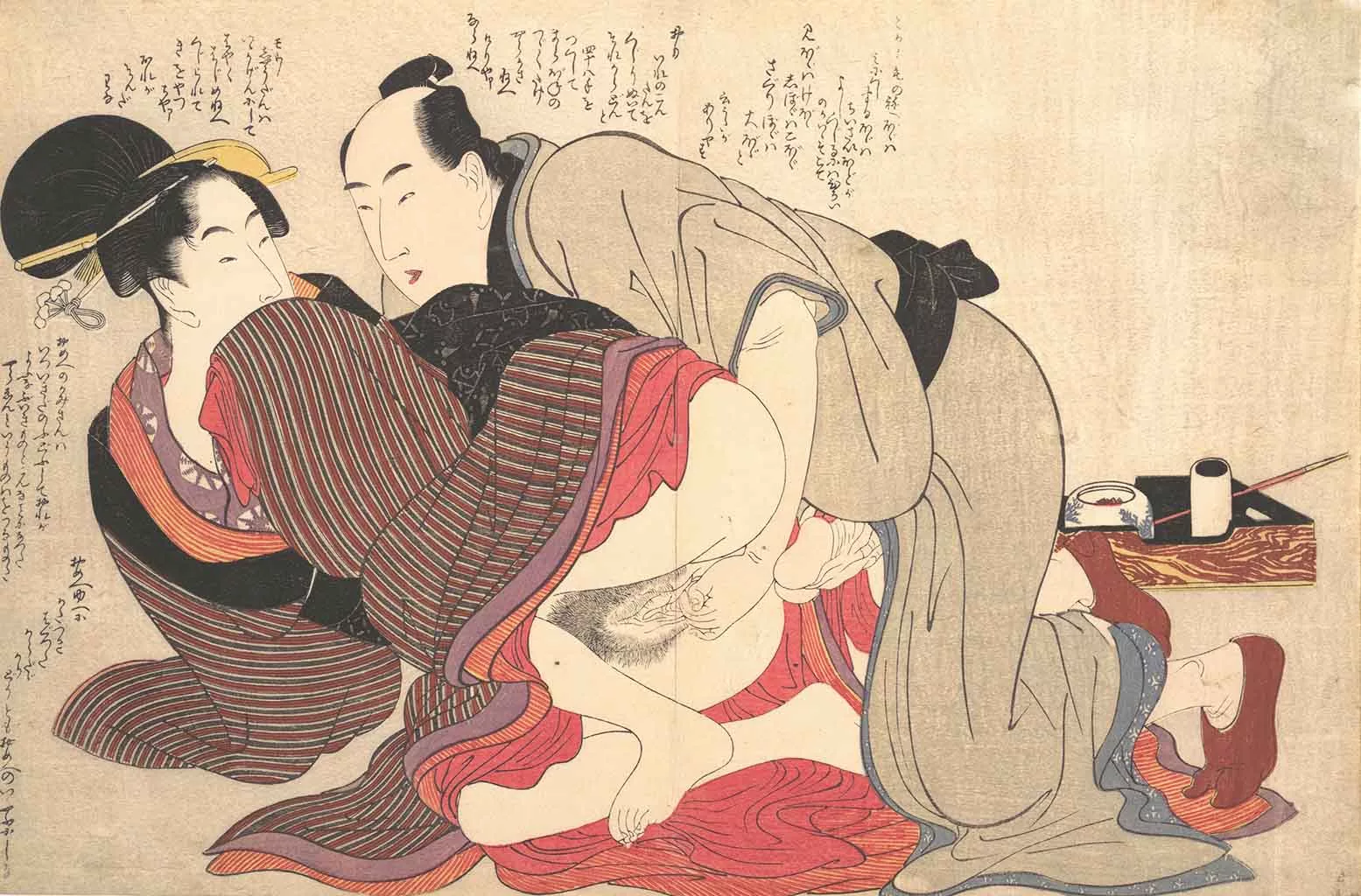
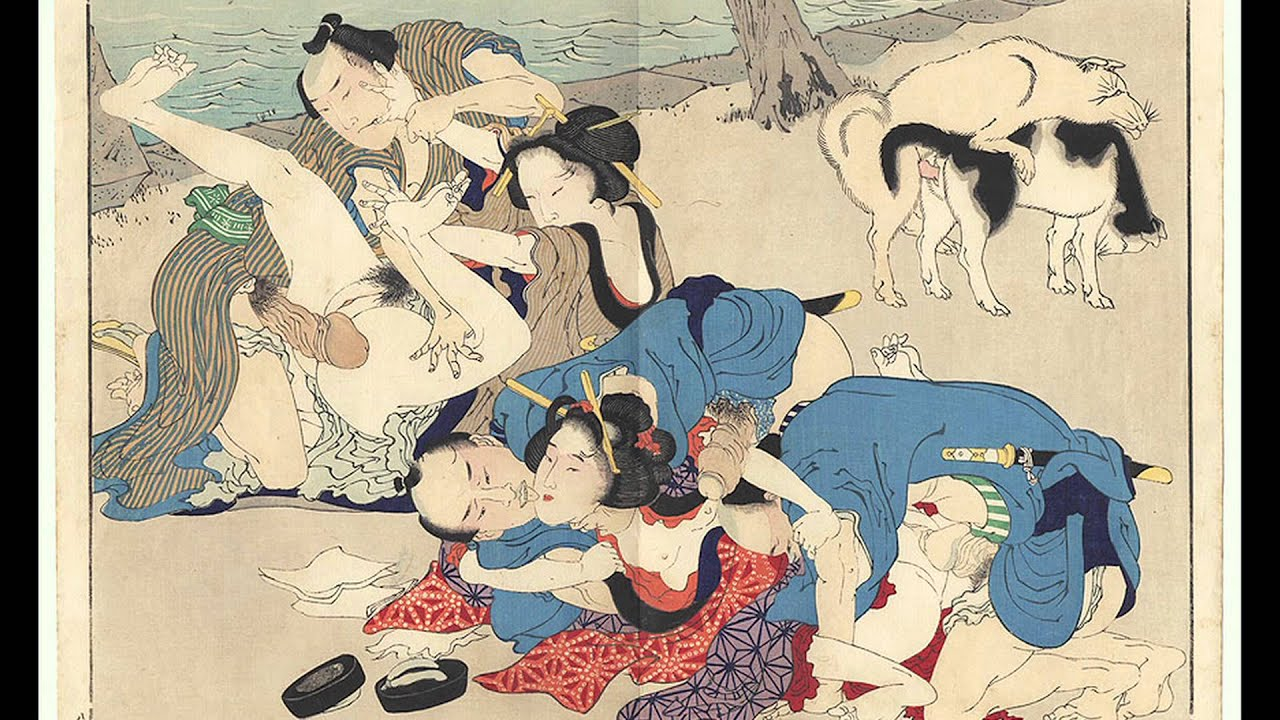
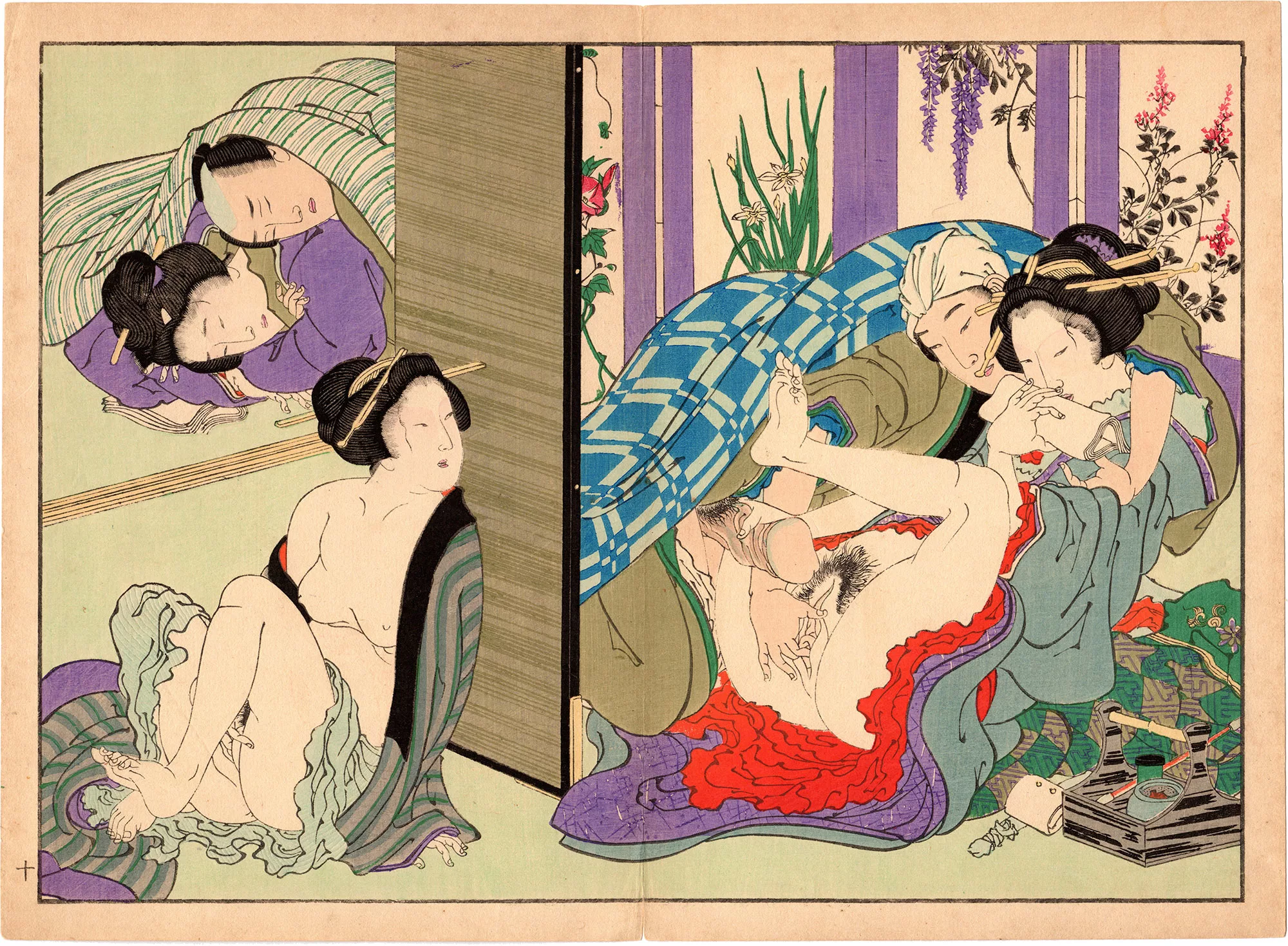
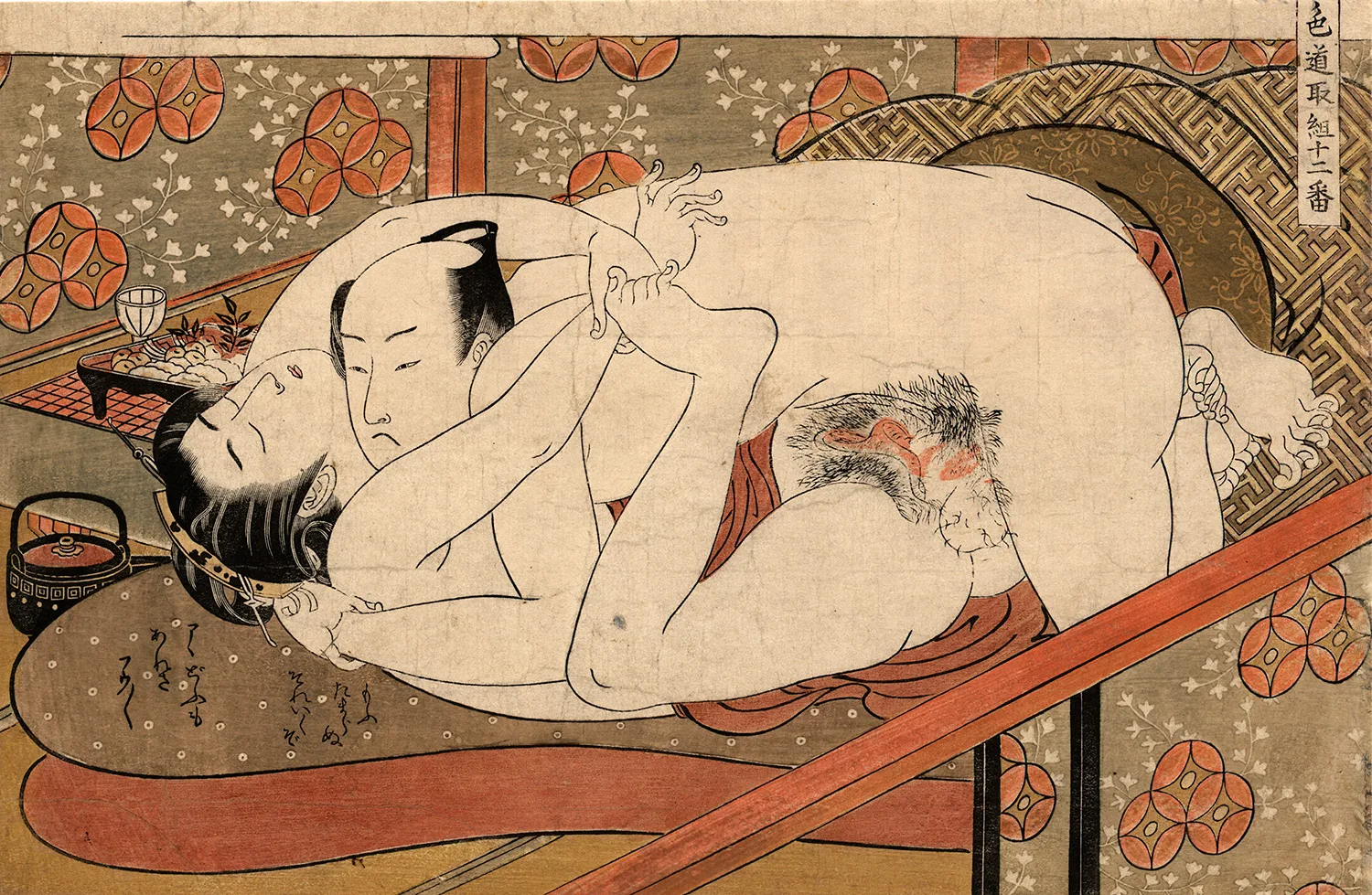
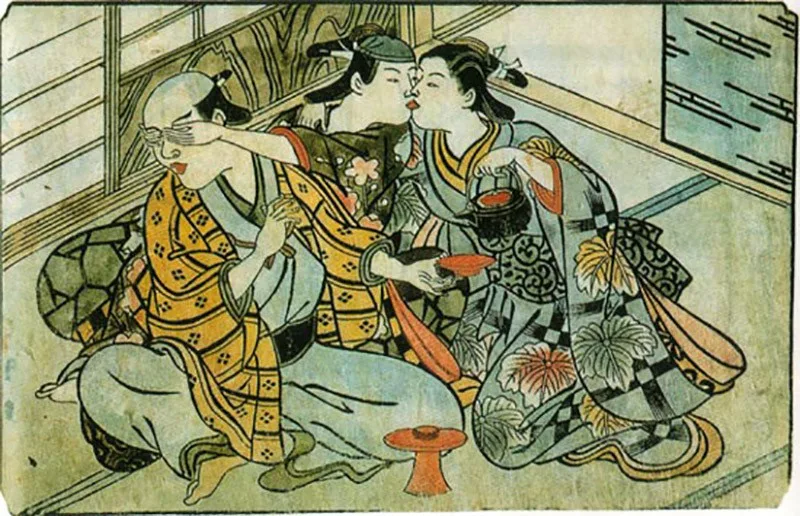
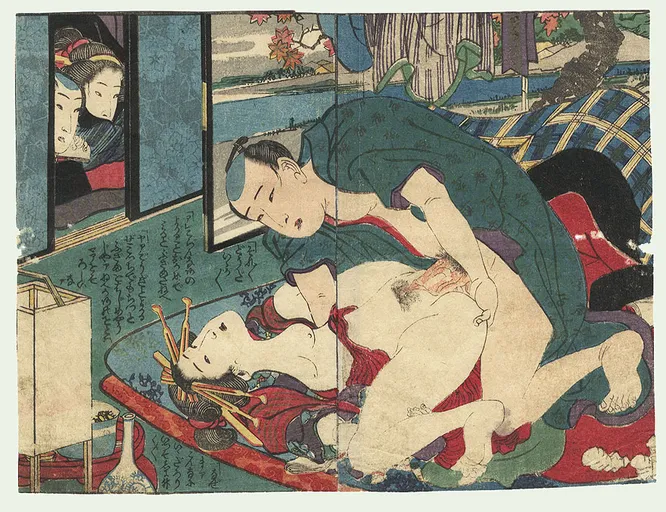
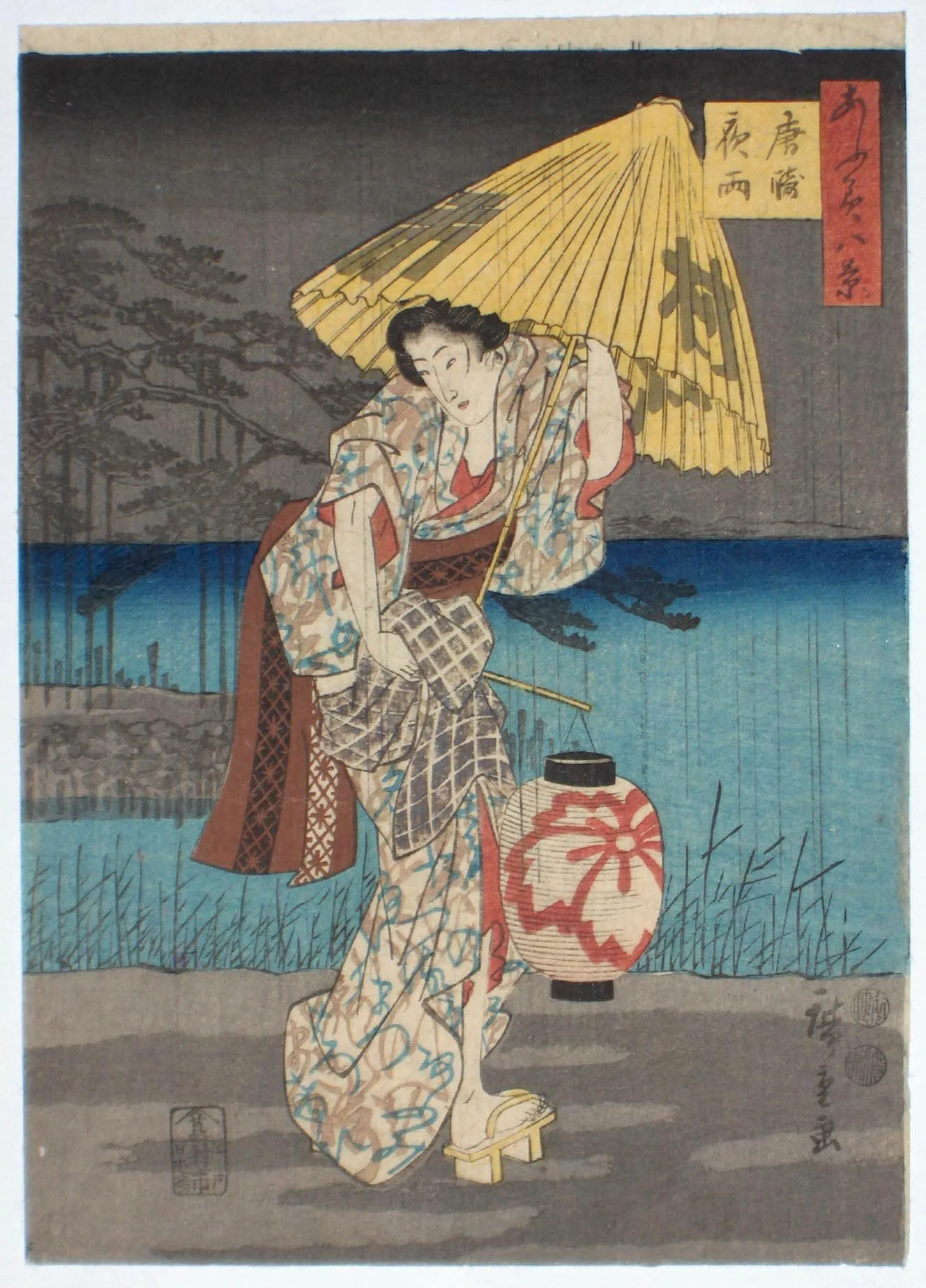
Japan is a world filled with samurai, graceful courtesans, traditional ceremonies and clothing. However, behind the idealized façade hid a much more complex and sometimes shocking reality, especially regarding sex life. In this article we will look at what sex was like in Japan and what its cultural characteristics were, including orgies and other forms of sexual practices.
In Japanese culture, sex is not considered sinful or unclean. On the contrary, according to Shintoism, sexual relations can be part of spiritual growth. The ancient Japanese believed that in order to achieve spiritual harmony, one must first improve physical health. Conscious sex helps you better understand your body and learn to control it. In traditional Japanese society, it was important to bring a woman to orgasm, which was considered the highest value. A man who has several partners and changes them was perceived as one who receives a “magic substance” that contributes to his well-being and virtue.
Secret pleasures of aristocrats
In feudal Japan, social status played an important role in intimate relationships. Aristocrats often practiced polygamy, having many wives and mistresses. Aristocratic women, on the other hand, could only have one husband. Sexual relations were strictly regulated by social norms: young people from the lower classes were free to engage in sexual relations, while young people from the upper class were bound by numerous restrictions.
Samurai orgies: “the way of the youth”
Samurai followed the code of “bushido” – the way of the warrior, which included many rules, including those related to intimate life. According to the concept of “shudo” (or “wakashudo” – the way of the young man), samurai took young men as lovers, believing that such relationships strengthened the brotherhood of war. These connections continued until the young man became a samurai. Such relationships were often accompanied by group sexual activity among samurai and their students.
Monastic fun: secrets of temples
Buddhist monks in Japan, especially in some sects, did not always adhere to the vow of celibacy. Monks were known to frequently engage in sexual relations with their young assistants, a practice known as nanshoku. Moreover, some monks, such as Ikkyu Sojun, openly expressed their opinion that following a vow of celibacy may be a waste of time. In some monasteries, real orgies were organized, where monks and their servants participated.
Huts for Love: Peasant Freedom
Peasant youth had more freedom in intimate relationships than representatives of the nobility. They could have sex without special restrictions in special “huts for young people.” Such relationships could continue until the girl became pregnant, after which the young people got married. Collective sexual acts often took place in these huts, where several couples could participate at the same time.
Homosexual pleasures in the military ranks
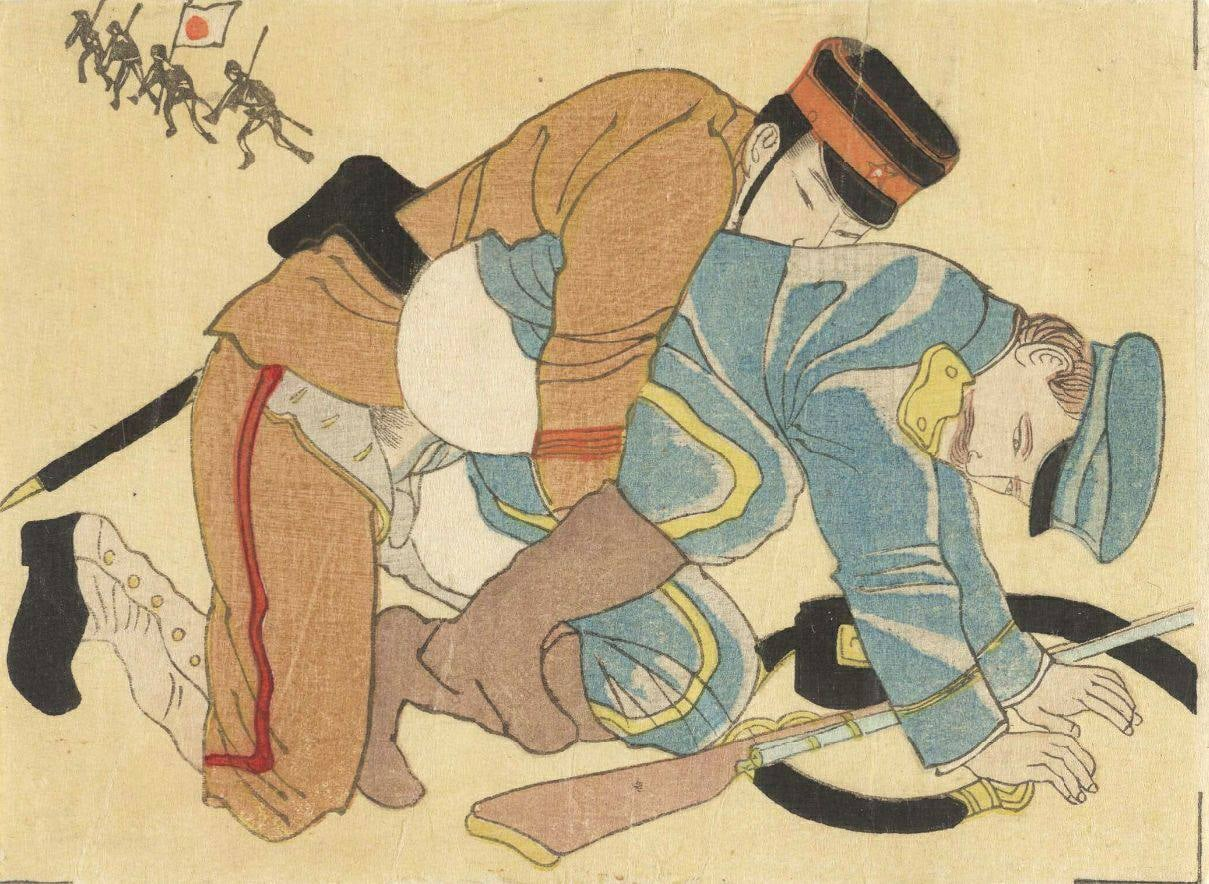
Homosexual relationships were quite common in feudal Japan. In the army, among samurai and in monasteries, homosexual relations were common and not condemned. Same-sex relationships were considered even more spiritual than heterosexual relationships because sex with a woman was believed to “spiritually drain” the man. Group homosexual practices were not uncommon, especially among monks and warriors.
Ritual orgies in Shinto shrines
Sex was an important part of Japanese mythology and religion. In Shintoism, sex was seen as an integral part of the process of creating the world. The ancient deities, Izanami and Izanagi, were considered to be the creators of Japan through sexual union. Ritual orgies were common in the culture, symbolizing fertility and connection with deities.
Spiritual enlightenment through bodily pleasures
The Tachikawa-ryu sect of Buddhism argued that sex is the path to spiritual enlightenment. Coitus was seen as a way to separate from individuality and approach spiritual awakening. Sexual pleasure was considered a good thing, even if it was not considered part of procreation. As part of this movement, collective sexual ceremonies and rituals reminiscent of orgies were also carried out.
Prostitutes of the Hierarchy: Courtesans and Yujo
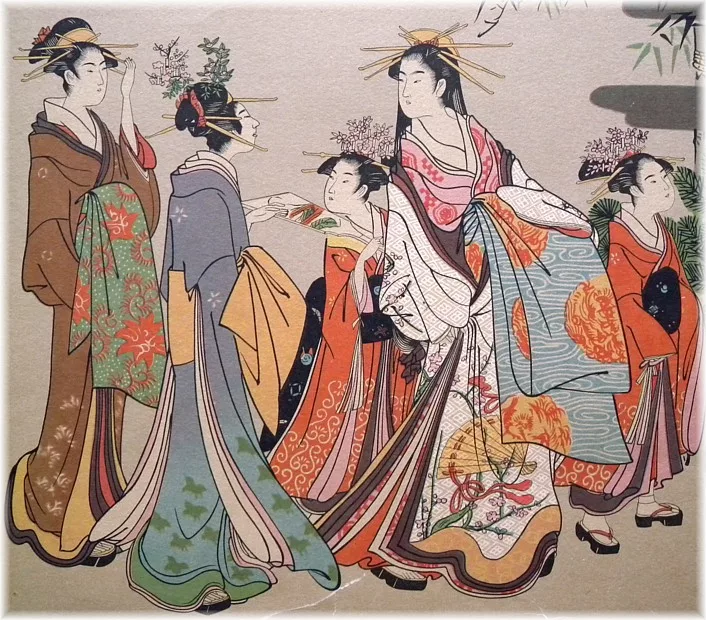
Prostitution in feudal Japan had its own hierarchy. High-class prostitutes, known as oiran, were well trained and could entertain clients not only with sex, but also with conversation, music, and dancing. They occupied a high position in society, but their lives were far from ideal. The Oiran often became prostitutes against their will, they were forced to work long hours in poor conditions, and their training was grueling. Brothels also hosted group sex events for wealthy clients.
“Willow City” Beyond the Walls: Brothels of the Hideyoshi Era
Due to frequent quarrels and murders in brothels, back in 1589, under the reign of shogun Toyotomi Hideyoshi, a walled brothel was created next to the palace. It was called Yanagimachi – “Willow City” – as the willow was considered a symbol of prostitution. In 1602 it was moved away from the palace, and in 1635 it received a new name – Shimabara.
Secrets of Yoshiwara: In the Heart of the Red Light District
When the capital moved from Kyoto to Edo (present-day Tokyo), a brothel district also opened there. In 1626, the Yoshiwara district was built, surrounded by a wall and a moat with a single gate. Prostitutes, called “yujo”, lived exclusively there and could go out only in three cases: if they went to the doctor, to court, or if a client took them out to admire the cherry blossoms. They had to move barefoot.
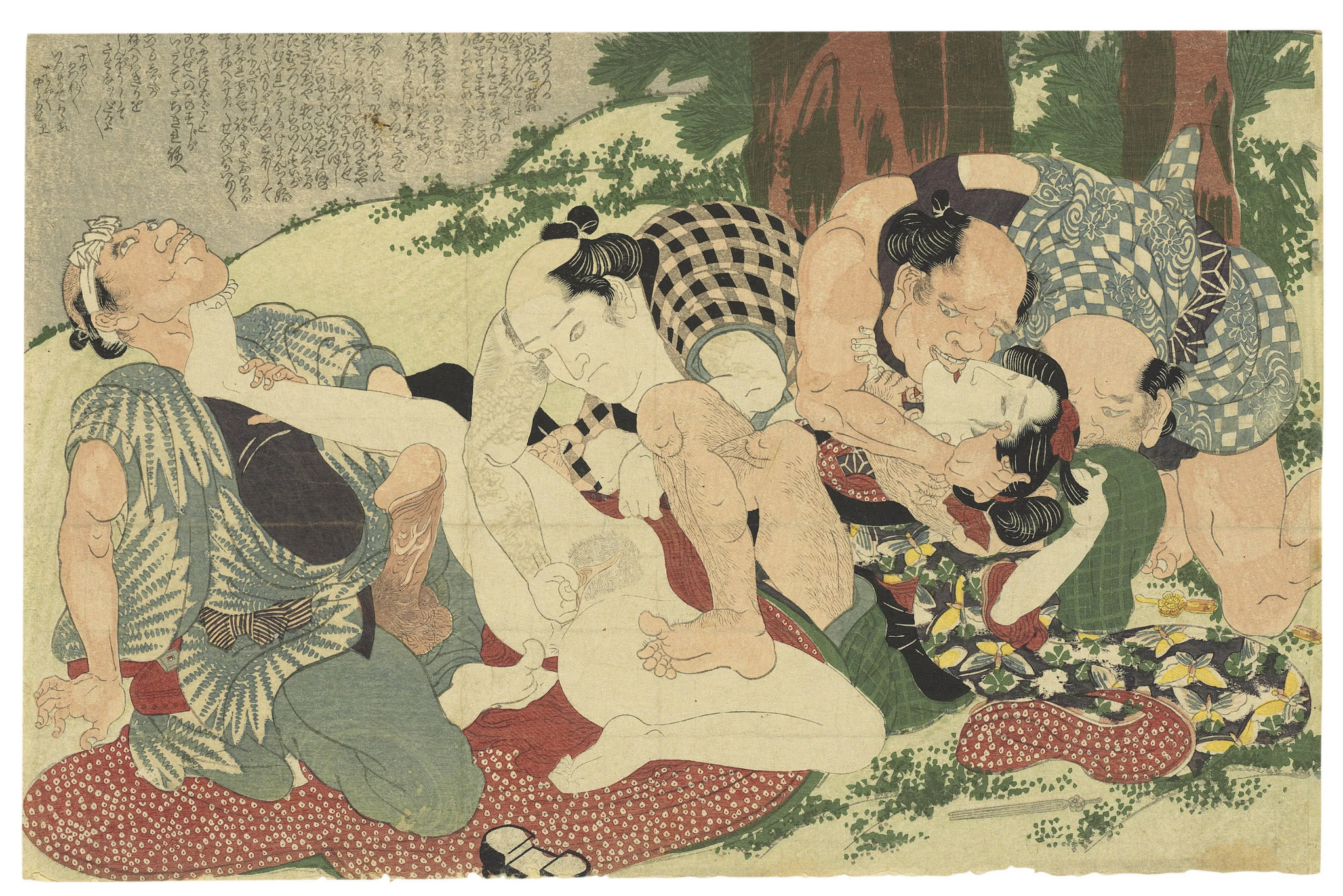
Mass orgies often took place in these neighborhoods, attracting both local residents and visitors. Men gathered in brothels for communal entertainment, and such events often turned into large-scale sexual events. Prostitution flourished, and clients sought not only intimacy, but also social fun.
Mizuage: Rituals and secrets of the first nights of geishas
In addition to prostitutes, there were also geishas, an analogue of the Greek hetaeras. These girls knew how to play musical instruments, dance and carry on a conversation. They could have sexual relations with the client at will. The first man appeared to a geisha at the age of fifteen as a result of a ritual defloration called “mizuage”. This procedure was carried out by a particularly respected client, who paid a large sum and often became the geisha’s patron.
Although geisha were not the main participants in mass orgies, they were often present at such events as entertainment and cultural figures. Their presence added sophistication and aesthetics to the events.
Okuni and Kabuki: Erotica and Satire on Stage
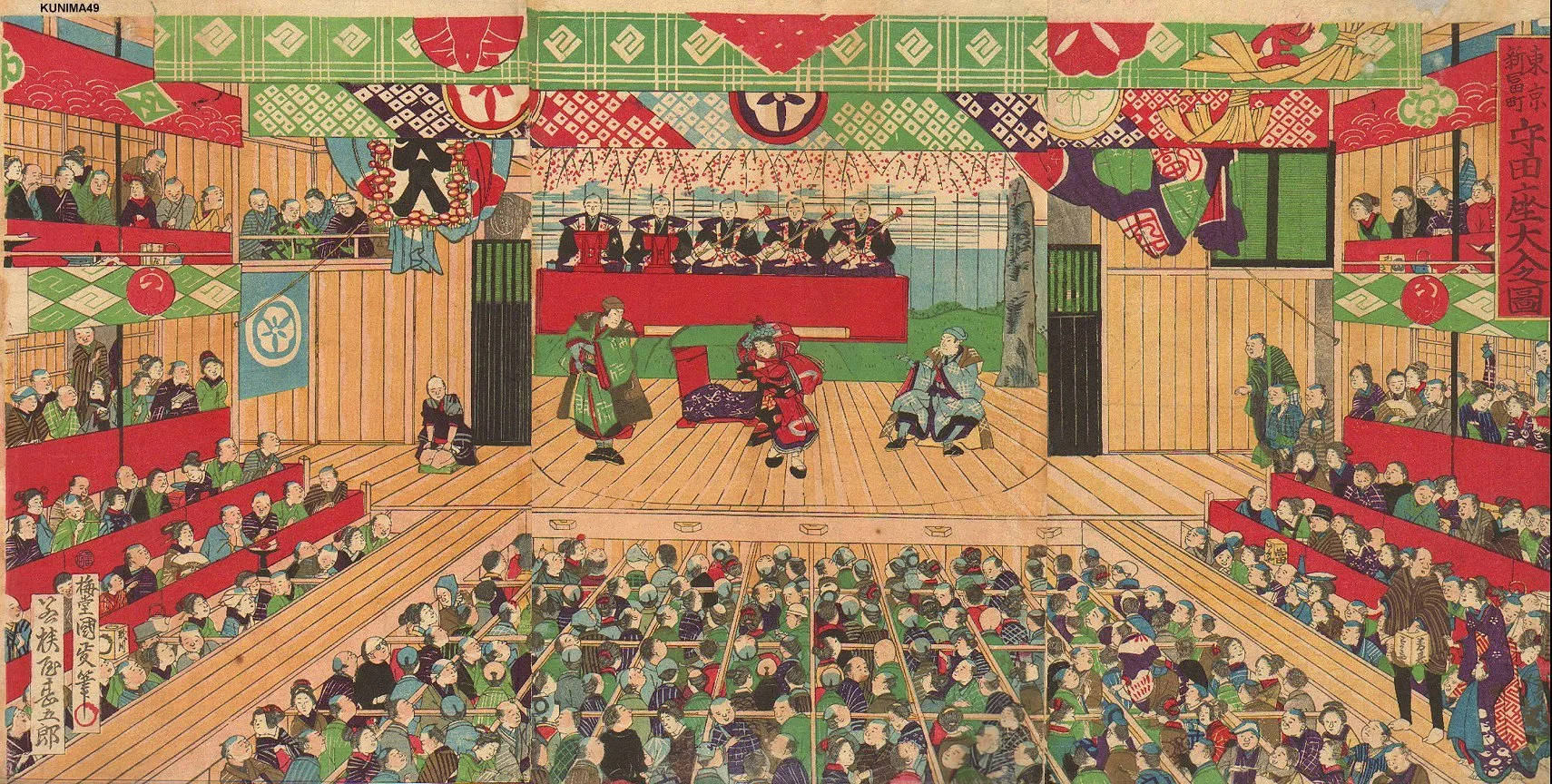
The Japanese love for prostitution and art led to the emergence of kabuki theater. In 1603, a dancer named Okuni began performing daring performances in Kyoto, performing erotic and satirical scenes. Her theater became very popular and was called “kabuki” – “cheerful, extravagant.”
When Okuni was invited to the capital of Edo, she had imitators. These actresses also engaged in prostitution, which added to their popularity. Performances at the Kabuki theater often became a gathering place, where mass orgies took place after the performances. Men infatuated with actresses gathered together, and such meetings often developed into collective sexual events.
The Shogunate and Sexual Mores: New Laws of Old Japan
The craze for actresses became so strong that in 1647 the authorities banned women from playing in the kabuki theater. Then young actors got down to business, but soon homosexuals from the samurai and bureaucratic environment became their clients. As a result, in 1652, even young men were kicked out of the theaters, and now only adult men play kabuki.
How do the sexual traditions of feudal Japan shape modern culture?
Modern Japan maintains a complex attitude towards sexuality. There is a certain degree of openness towards sexual topics in society, along with strong taboos. Historical practices such as ritual orgies and homosexual relationships among samurai have created a unique cultural paradigm where sexuality can be openly discussed, but personal sexual practices often remain private.
Sexual practices and fetishes in Japan have deep roots in its historical and cultural heritage. The traditions, norms and beliefs of ancient Japan played a significant role in shaping modern sexual preferences and practices. Let’s look at how the past is connected to the present and how some practices have shaped others.
As we already mentioned, in ancient Japan sex was not considered a sinful activity. Within Shinto and Buddhism, sexuality had its place in rituals and philosophy. Conscious and harmonious sex was seen as a way to achieve physical and spiritual harmony. This attitude formed the basis for a more open and exploratory approach to sexuality.
Modern Japanese fetishes often have roots in this traditional openness to sexuality. For example, the high value placed on partner satisfaction and body exploration has had some influence on the development of practices such as shibari and kinbaku, which focus on aesthetics and emotion in an erotic context.
Tamakiri
Tamakeri is a Japanese BDSM practice in which a woman beats a man in his private parts. This practice is one of the most extreme and can involve hitting, using various objects or even special devices.
Tamakeri is perceived as a form of erotic play that allows participants to experience physical and psychological arousal. This practice requires a high level of trust and agreement between partners. In Japan, tamakeri is often depicted in the pornographic industry and is popular among a certain circle of people.
Throughout Japanese history, there have been rituals and practices associated with the exchange or use of intimate objects. For example, in ancient times amulets and objects related to sex magic and fertility were used. These practices stem from the fact that intimate objects can have special meaning. This tradition has grown into modern culture, where lingerie and other intimate objects are used to satisfy fetishes. Practices such as shitagi dorobou (buying used underwear) can be seen as an evolution of older rituals where intimate objects had sacred meaning.
Бурусера (Brusella)
Buruser is a Japanese paraphilia based on sexual attraction to the underwear and school uniforms of girls or young women. The name comes from a combination of the words burumā (ブルマー) – “harem pants” or “women’s sports pants” and sērā-fuku (セーラー服) – “sailor suit”, a traditional Japanese school uniform. Burusera stores sell used school uniforms, panties and other fetish items. Women’s underwear, especially used ones, are in great demand in Japan. Some girls make money by selling their panties, which are often accompanied by photographs of them to increase the value. Since 2004, stores can only sell panties belonging to girls over 18, but there is also an illegal market.
Шитагидоробоу (underwear thief)
Shitagidorobou is a Japanese term for thieves who steal women’s underwear from clotheslines. This type of theft is especially common in Japan. To protect against such thieves, some women use plastic curtains to hide their underwear from prying eyes. However, this does not always help, and the thefts continue. White panties are especially popular among such thieves. There have been cases where criminals, pretending to be officials, tried to force women to remove their underwear under the pretext of sanitary inspections.
Тамакери (ball kick)
Tamakeri is a Japanese form of BDSM in which men are kicked in the testicles. This type of erotica has become popular in Japanese adult films. In these videos, men are hit in the groin, but they are supposed to remain aroused. This practice is popular among women who like the idea of dominating men and among men with masochistic tendencies.
Но-пан кисса (Café without panties)
No-pan kissa, which literally means “no panty cafe,” are a unique establishment in Japan. In these cafes, waitresses wear short skirts and do not wear underwear. The floors in these establishments are often laid with mirror tiles, especially near the tables, which allows customers to look under the skirts of the waitresses.
Food and drinks in such cafes cost four times more than in ordinary places, but visitors, mostly men, are willing to pay for it. For an additional tip, you can ask the waitress to perform various tasks, for example, getting something from the top shelf or picking up a spoon that was “accidentally” dropped on the floor. At the same time, in classic no-pan kissa it is forbidden to touch the waitresses – you are only allowed to look.
The first such establishment opened in 1980 in Osaka. The no-pan kissa boom began in the mid-80s and continued until the late 90s, until several high-profile scandals involving high-ranking officials and new laws regulating the sex industry led to the closure of many such cafes.
Ньотаймори (Female body prime)
New times (literally “serving on a woman’s body”) is the Japanese practice of serving sashimi or sushi on a woman’s naked body. This tradition dates back to the samurai period in Japan and was used as a celebration after victorious battles. Today, the practice of Nyotaimori is popular in Europe, but not in Japan itself. To maintain aesthetics, the model’s private parts are usually covered with leaves.
Имекура (image club)
Imekura (Image Club) is a type of brothel in Japan where popular sexual fantasies such as “office”, “doctor’s visit” or “subway car” are fulfilled. The workers at these establishments wear appropriate costumes and provide services limited to oral sex. Imekurs became popular after the introduction of laws against harassment in the subway.
Tokudashi and Kagura (神楽)
Tokudashi is a Japanese striptease where naked girls sit on stage with their legs spread wide so that the audience can see their genitals. This dance is part of the old Shinto rite of Kagura, which includes a ritual striptease. In ancient times, this ritual symbolized the revival of light and warmth on Earth. Today this ritual has become part of the sex industry.
Waifu
Wife is a silicone doll used as a wife or girlfriend. These dolls are expensive ($6,000-$10,000) but are in great demand among the Japanese. The term “waifu” may come from the English “wife”, meaning an artificial woman for personal use.
Tentacles
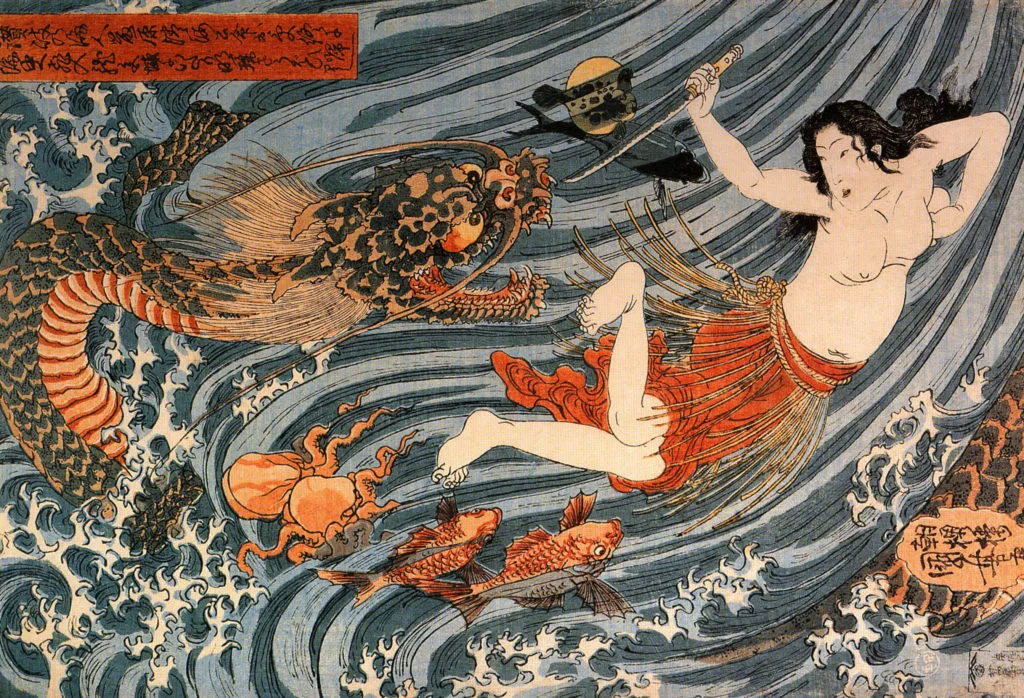
Tentacles is a genre of Japanese erotica that depicts sex scenes with creatures with tentacles. This genre was made popular by Katsushika Hokusai’s The Dream of the Fisherman’s Wife (1820), in which an octopus caresses a woman with its tentacles.
Today, tentacles appear frequently in hentai and manga.
Чикан (molester)
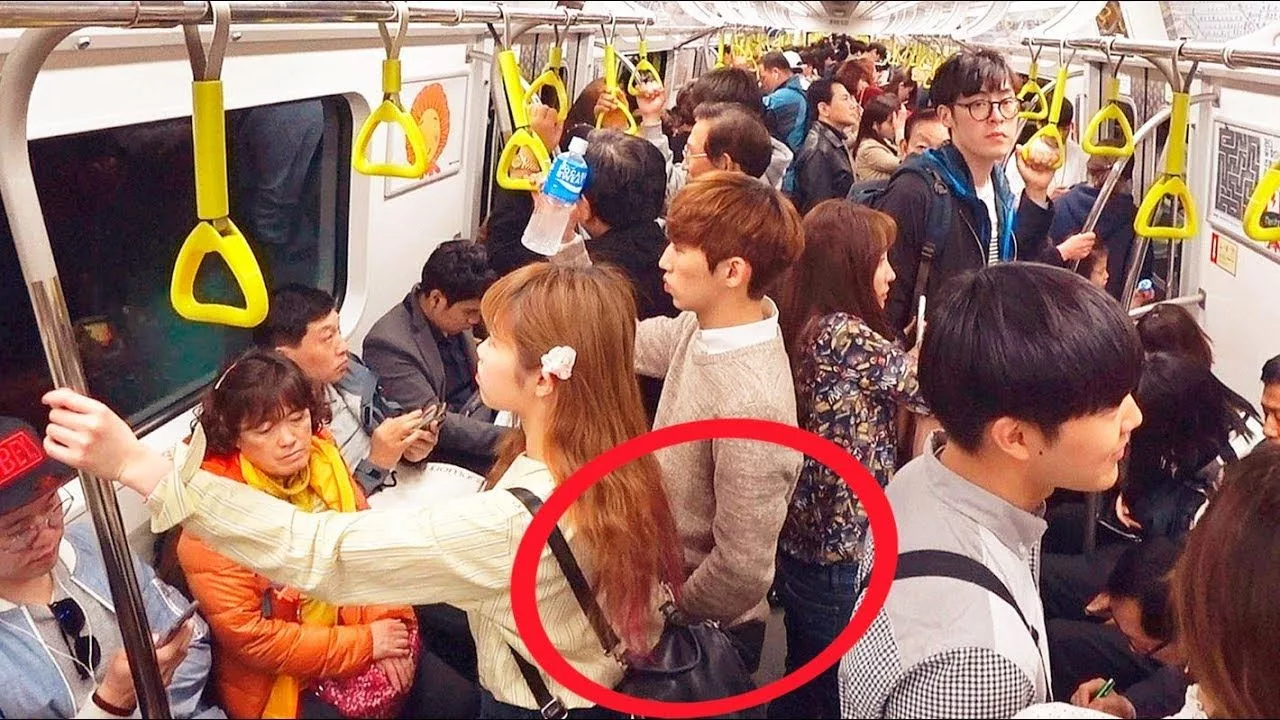
Chikan is a Japanese term for sexual harassment, especially on crowded public transport. Women on crowded trains are often victims of such harassment. To combat this phenomenon, “women only” carriages were introduced on some trains.
In some Japanese TV shows, you can see how sexual themes and fetishes become part of the gameplay. Participants may be forced to perform tasks involving nudity or other intimate aspects
Conclusion
Japanese sexuality is a double-edged sword. On the one hand, the country has an excess of sex products and a green light for perverts. On the other hand, the Japanese people’s declining interest in sex. Paradoxically, these two sides are interconnected. One of the reasons for the demographic crisis in Japan is the banal lack of sex. According to research by Contex, Japanese residents rank among the lowest in the world in the frequency of sexual intercourse – an average of 37 times a year, while the global figure is about 100 times. Sexologist Kitamura Kunio notes that the number of young people who do not want to have sex is increasing. In opinion polls, sex is one of the last places on the list of priorities for young people, behind cinema, music, study, work, travel and meetings with friends.
Since childhood, Japanese people have been surrounded by intrusive sexual advertising and products. Trains and magazines are full of advertisements for sex products. This environment has a strong impact on people, forming obsessive images and fantasies. However, an overabundance of such information causes rejection and fatigue.
Why are there many lonely and complex people among the Japanese?
From a very early age, boys and girls in Japan grow up separately, even though schools are officially mixed. In reality, interaction between the sexes is minimal: due to the concentration on studies and the desire to achieve high results in exams, students have little time to interact with the opposite sex. During extracurricular activities, boys and girls choose different clubs and sections, and on weekends they spend time separately: boys meet with each other, and girls meet with each other.
This separation continues until university, where interaction between the sexes finally begins. However, by this time many young people have little experience communicating with each other. Japanese men often have difficulty establishing relationships with women, which can be attributed to a lack of practical experience and the influence of didactic relationship video games.
As for women, they begin to communicate with men at the university, where short-term and casual romances occur. When women start working, they are again faced with short-term affairs, but many of them do not strive for long-term relationships. The reason is that combining career and family is extremely difficult in Japan. After the birth of their first child, many women are forced to leave work, which makes career and family life almost incompatible.
Men, in turn, are afraid of responsibility for the financial and social burden of family life, which leads to a refusal to start a family. This leads to high levels of sexual frustration, despite having short-term affairs and consuming pornography. Japan is one of the world’s largest porn producers, even though Japanese people have less sex than most other countries. Sexual needs remain, but there is no desire to create long-term relationships and families.
Additionally, Japanese society is characterized by strong control and restriction of social interactions. People often act according to instructions from bosses or parents, without the space to discuss or challenge different ideas. Social interactions are highly structured: there are defined roles, such as between an employee and a boss, making it difficult to develop relationships and friendships, especially with a potential sexual partner. The biological side of sex is satisfied primarily through fantasy in manga, hentai and prostitution, and although sex in Japan is not taboo and widely available, the social aspects of its practice remain complex.
In Japan, social relationships often do not begin in the usual way as in Western countries. People rarely get into relationships for the sake of relationships. Most marriages are arranged as children born out of wedlock are not accepted. This leads to many people maintaining their virginity until marriage.
Celibacy syndrome, or sekkusu shinai shokogun, is a phenomenon in which a significant portion of young people remain virgins or are not interested in sex. “Herbivorous males” are young males who are not interested in sex, prefer to take care of themselves and stay close to their mothers.
This lack of meaningful interaction between men and women creates sexual frustration and ultimately leads to frustration and unconventional solutions such as the use of sex toys and virtual technologies. Japan faces unique social and cultural challenges in relationships and sexuality, which explain its demographic instability and difficulty in creating and maintaining family ties.
Brothels in Old Hollywood
Time required to read the article: 4 minutes
In the era of old Hollywood, brothels were an integral part of the secret lives of movie stars and influential figures. Let’s talk about the most popular places and personalities associated with them.
Brothels
Francis House
“Francis House” on Sunset Boulevard was one of Hollywood’s most famous brothels. Its clients included stars such as Clark Gable, Errol Flynn, and Jean Harlow. Francis also supplied girls directly to film sets and the homes of her famous clients. Gable, for example, often received such “packages” right in his dressing room. The house offered not only intimate services but also luxurious conditions with costumes and makeup, creating the images of celebrities.
Francis House was popular in old Hollywood in the 1930s, and until 1940 it continued to be a popular place among celebrities until it was closed after a raid. During this raid, Francis Wylie (the founder and owner of Francis House), her girls, boys, and clients were arrested.
“In Hollywood, a starlet is any woman under thirty who is not working in a brothel.” — Ben Hecht.
Mae’s
The brothel “Mae’s,” managed by madam Billy Bennett, was also one of the most famous and popular brothels in Hollywood, attracting many celebrities and influential entertainment industry figures in the 1930s and early 1940s. The brothel was funded by MGM, ensuring a high level of service and confidentiality for clients. The girls working at “Mae’s” underwent plastic surgery, makeup, hairdressing, and styling to look like Hollywood stars, making the establishment unique. By the way, in the film “L.A. Confidential” (1997), you can see the very brothel.[1]
Mae’s also closed in the early 1940s due to public pressure, raids, arrests, scandals, and corruption.
Personalities
Alla Nazimova’s Parties
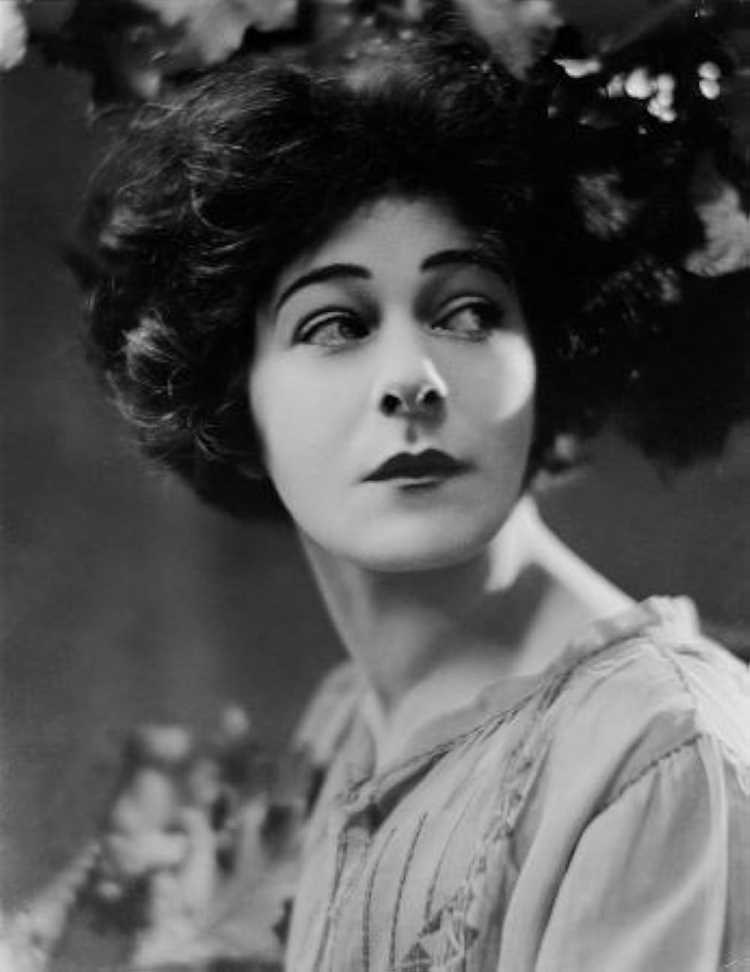
Alla Nazimova, a Russian-American actress and producer, hosted famous parties at her mansion “Gardenia Lane.” These parties were known for their luxury and extravagance. Guests could enjoy exquisite dishes and drinks, as well as various entertainment programs. Nazimova, an open bisexual, invited many influential people from the world of art and cinema, creating an atmosphere of freedom and creativity. Her parties became legendary and symbolized the excesses and glamour of Hollywood’s golden age.
In 1927, facing financial difficulties, Nazimova decided to transform her luxurious residence into a hotel. She added several villas and renamed the place “Garden of Allah Hotel.” This place became popular among celebrities and bohemians of that time, such as Marlene Dietrich and Errol Flynn.
In the 1930s and 1940s, the hotel was a social center, but by the 1950s, its popularity began to wane. The place lost its former luxury and became more mundane.
In 1959, the hotel was sold and demolished. A Lytton Savings bank building was built on its site, which also did not survive to this day. By 2023, a vacant lot remained on the site of the former “Garden of Allah.”
Brenda Allen
In the 1940s, Brenda Allen managed more than 100 girls and had strong connections with the police, allowing her to avoid arrest for almost ten years. Her business brought in $9,000 a day, and many influential people were her clients. Allen was arrested in 1948, causing a major scandal and the resignation of several police officials.
Madam Alex
Madam Alex, whose real name was Elizabeth Adams, managed the international business “Beverly Hills Madam” in the 1970s-80s, serving clients including even Saudi princes. She earned millions of dollars but was caught by the police and sentenced to probation. Alex avoided jail time, likely by threatening to reveal the names of some police officers.
The brothels of old Hollywood and the personalities associated with them played a significant role in the shadowy life of the film industry of that time. These places and people were an integral part of Hollywood history, reflecting its glamour and hidden side of the lives of celebrities.
Both then and now, most (if not all) celebrities know about each other’s hidden lives. All the orgies, affairs, and other scandals are known to everyone in this small elite community. It is known because everyone is somehow connected to it: organizing, participating, just stopping by to watch, or hearing from friends who attended such events.
Over the past 100 years, the speed of information transmission has increased significantly. Now we learn all the news instantly, just by scrolling through social media feeds. The problem is that Hollywood has always been associated with fame and sex. And both then and now, we often hear about various scandals: legal battles, drug problems, abuse, and, of course, sex scandals. And all these news often involve our favorite screen stars. Those we see every evening watching a series or on weekends going to the cinema. Such a way of life with such enormous popularity greatly corrupts society. And nothing changes…
To date, we are either in search of existing studies, or we will conduct our own later.
We are always open to your ideas for improving our articles. If you have any suggestions on how to make the material better, correct inaccuracies, or share unknown facts and research, please do not hesitate to let us know! Just fill out the form below the article.
If you are interested in the topic discussed but cannot help with information, you can support our team by allowing us to conduct our own research! Below you will find a donation form for conducting research.
While it’s widely understood that sex parties are places where one can engage in sexual activities, it’s not commonly known that participation in sex is not mandatory. Here are a few other reasons that draw people to these events.
Atmosphere and Entertainment
Sex parties are primarily social events with music and show programs. Themed dress codes, bars, performances, and dancing are integral parts of these gatherings. What makes these parties unique is the culture of active consent – an affirmative, unambiguous, and conscious decision by everyone to participate in sexual activities.
Freedom and Liberation
In such an environment, guests can feel free and uninhibited without fear of judgment, helping them to relax and be themselves. These events foster the ability to say “no” and embrace one’s sexual desires without shame.
Learning and Development
Often, these events feature seminars, workshops, and demonstrations. Participants can enhance their skills and learn more about sexual techniques, safety, health, and pleasure. It’s also an opportunity to see a realistic portrayal of sex, as opposed to the idealized versions often depicted in pornographic films.
Exploring Sexuality
For some, sex parties provide a safe space to experiment and explore their sexuality. Here, one can try something new, such as walking on a leash or attending with a partner to diversify their sexual life and better understand each other.
Aesthetic Enjoyment
Many guests attend simply to observe and enjoy the aesthetics of bodies, costumes, and performances. This can be seen as a form of erotic art, attracting those who appreciate visual and sensory experiences.
Networking and Socializing
Some attend to meet new people and socialize with open-minded individuals. These events offer the chance to find support and feel part of a community with similar interests.
Conclusion
Only about 10% of sex party attendees go with the intention of having sex. For most, these events mean something more. Regular guests and organizers say that contrary to common stereotypes, sex parties are about love and self-expression.
Can you attend a sex party to dance and drink? – Yes
Is it necessary to interact with others at these parties? – No
Are there educational workshops at sex parties? – Yes
Can you attend these parties with a partner? – Yes
Is it possible to just watch? – Yes
Can you meet interesting people at these events? – Yes
Additional Information
Currently, we are either searching for existing research or planning to conduct our own studies in the future. We are always open to your ideas for improving our articles. If you have any suggestions on how to make the material better, correct inaccuracies, or share unknown facts and research, please do not hesitate to let us know! Simply fill out the form located below the article.
If you are interested in the topic discussed but cannot provide information, you can support our team, enabling us to conduct our own research! Below you will find a form for donations to support our research efforts.
Thank you for your activity and support!
Interview Questions
How do the atmospheres of sex parties differ from regular parties?
What kinds of entertainment are available at these events?
What restrictions exist at sex parties?
How do these parties help individuals become more liberated?
What can one learn at these events?
How does attending sex parties affect personal sexuality?
Why do couples attend these parties?
Why do guests enjoy watching others’ sexual activities?
What community do sex party attendees form?
What interests you most about sex parties?
BDSM 002
Topic A study of BDSM as a phenomenon, psychology and its practices
Author Ustyuzhanina Alina Valerievna
Alternative titles “Exploring BDSM: Understanding, Practice and Psychology” “Safety and Consent: BDSM Basics for Beginners”. “A Guide to the World of BDSM: From Fantasy to Reality.” “From Theory to Practice: How to Start Your BDSM Journey”
Reading time
13 min
Contents
Introduction. Definition, main rules, attributes. ……………………………………………………….………………………… 2
Types of practices. Bondage.…………………………………………………………………………………………………………….… 3
Dominance and submission. ………………………………………………………………………………………………………………. 4
Sadism and masochism. ……………………………………………………………………………………………………………………… 5
Playing with temperature. ………………………………………………………………………………………………………………….. 6
BDSM is a sexual act or series of acts intended to subjugate, dominate and inflict pain on a person in order to fulfill a need. In an early Durex survey in 2005, about 36% of respondents had used submission and domination techniques in one way or another, suggesting that the boundaries of BDSM culture are expanding.
The name is an acronym representing several related types of sexual practices and role-playing. It stands for
BD — Bondage and Discipline
DS — Dominance and Submission
SM — Sadism and Masochism
In modern times BDSM began to be applied in the 90s of the last century, but already at the end of the 18th century such practices were considered a separate sexual direction, we can see it in the works of Marquis De Sade and Leopold von Sacher-Masoch, whose names have become nouns for the terms “sadism” and “masochism”. Today BDSM is considered a separate culture and it is no longer possible to tell whether a person likes it or not. The 2014 edition of the Journal of Sexual Medicine published the following data: 65% of the studied women showed fantasies to be in sexual slavery, 52% wanted to experience the emotions of binding, 47% wanted to become dominants. In 2020, PornHub found out in which countries the most use BDSM practices, the top three were Hong Kong, Switzerland and Germany. The following places were: Austria, Japan, Belarus, Taiwan, Russia, the Netherlands and Denmark. According to statistics, women like BDSM much more than men – as much as 86% more often representatives of the fair sex look for such topics on porn sites. Homosexuals are 12% more interested in this genre than bi and heterosexuals. In terms of age among BDSM lovers, people over 65 years old are the leaders, among users from 18 to 24 years old only 2%.
Main rules of BDSM: 1. Consent. It is important to discuss boundaries, preferences, and stop words in advance.
2. Safety. This is the top priority. It incorporates into the “natural” course of things the use of safe words and gestures, having the right equipment, and following safety rules.
3. Communication. Open and honest communication between partners helps prevent misunderstandings and ensures a positive experience for all involved.
4. Sobriety and responsibility. Participants should be sober and aware of their actions. Responsible behavior helps avoid unwanted situations.
But even in spite of this there are a lot of mishaps, BDSM-practice is recognized as one of the most traumatically dangerous and lethal ways to diversify boring sex life. The main dangers to a person are: asphyxia, burns and/or frostbite, hematomas, and groin injuries. Where a person tries to find pleasure, most often finds irreversible consequences. Some of the most dangerous and harmful BDSM practices for humans include tramping and ball blasting. The first is a particular fetish that consists of a man’s love of women walking on his body, this carries a huge danger to the bones and skin of the submissive. The second practice states the love of men to receive blows in the groin, according to doctors, this type of pleasure is particularly bad for the childbearing function.
Attributes They play an important role in BDSM and the creation of the atmosphere and realization of various practices. These can include many items designed for binding, discipline, dominance, submission, sadism and masochism. The main categories and examples of such attributes are:
Binding and restraint (bondage): ropes, handcuffs and shackles, gags, safety belts and straps.
Discipline and punishment: whips and whips, sticks and canes, paddles and gloves.
Dominance and submission: collars and leashes, masks and hoods, chairs and thrones.
Sadism and masochism: needles and spikes, wax candles, electrical stimulators.
Fetish and accessories: latex and leather, boots and high-heeled shoes, lingerie and costumes.
Types of BDSM practices
Bondage It is one of the central techniques in BDSM, involving binding and restraining a partner. The practice can be aesthetic, erotic or used to enhance feelings of control and submission. The main types of bondage are rope techniques originating from Japan: shibari and kinbaku, but it is also appropriate to use other elements such as shackles or handcuffs. The success of this technique lies in the selection of the right materials, the ability to guess the right tension and knowledge of the key points where to bind the partner categorically not allowed (neck, wrists, ankles). It is always necessary to check the blood circulation in places of particularly tight interaction between the material and the partner’s skin; if you observe bluish tones and coldness on the skin, you should immediately stop the session.
Dominance and submission This is a key aspect of BDSM involving the power and control dynamics between partners. In this relationship, one partner (the dominant) assumes the role of the controlling partner and the other partner (the submissive) assumes the role of the subordinate. It is important to note that this relationship is always based on consent, trust and mutual respect.
The main aspects of this practice is the division into roles, based on their desires and fantasies, participants divide into roles, negotiating the boundaries of what is allowed, discipline outside of BDSM sessions and permissible paraphernalia. Types of dominance and submission are divided into physical and psychological.
Physical:
Flogging and punishment. Includes the use of various tools such as whips, canes, and paddles to punish the submissive.
Tying and restraint. Use of ropes, handcuffs, shackles to restrict mobility.
Sensory deprivation. Use of masks, earplugs, gags to limit sensory perception.
Psychological:
Humiliation. Verbal or symbolic actions designed to lower the sabmissive’s self-esteem. This may include taunting, name-calling, or performing humiliating tasks.
Commands and control. The dominant gives instructions that the “submissive” must follow. This can apply to everyday activities as well as specific tasks.
Mental boundary games. Involves psychological influence and manipulation, such as role-playing games where the passive must perform difficult or unusual tasks.
In addition to this, there are specific ways of D/S relationships:
Total submission (24/7). The submissive is in the role of subordinate at all times, 24 hours a day, 7 days a week. This may include household chores, strict rules, and complete control by the dominant.
Training the submissive. The dominant trains the passive in certain skills and behaviors that are expected of him. This may include physical exercise, teaching etiquette and other specific behavioral frameworks.
Public submission. The submissive follows the dominant’s instructions in public or in public places, which adds an element of stress and excitement.
Sadism and masochism (Sadomaso) These are important aspects of BDSM culture, and they involve taking pleasure in pain and humiliation. Sadism involves taking pleasure in inflicting pain or humiliation on others, whereas masochism involves taking pleasure in receiving pain or humiliation.
Sadism.
Sadism in the context of BDSM is deriving sexual pleasure from inflicting pain, humiliation, or discomfort on a partner. Sadistic practices may include flogging, bondage, use of whips, canes, insults, and other forms of physical or psychological abuse.
Masochism.
Masochism in the context of BDSM is deriving sexual pleasure from receiving pain, humiliation, or discomfort. May include flogging, use of whips, bondage, sensory deprivation, etc. S&M practices are divided into physical and psychological. Physical:
Flogging. The use of hands, whips, blades or other tools to strike the body. This can be the buttocks, thighs, back and other parts of the body.
Whips and lashes. Using whips and lashes of different sizes and materials to inflict blows. Different tools give different sensations and levels of pain.
Canes and sticks. The use of canes or sticks to deliver blows. Cane sticks are often more painful and require caution.
Needles and piercings. Inserting needles into the skin to create pain and visual effect. This requires a high level of skill and caution.
Electrical stimulation. The use of electrical devices to stimulate nerves and muscles, which can cause pain and pleasure.
Psychological:
Humiliation. The use of verbal or symbolic actions to lower a partner’s self-esteem. This may include name-calling, performing humiliating tasks, or wearing demeaning attributes.
Sensory Deprivation. Restricting one or more senses, such as vision (eye mask), hearing (earplugs), or touch (bandages). This heightens sensation and can cause discomfort and fear.
Role-playing. Integrating elements of sadism and masochism into role-playing where one partner plays the role of the sadist and the other plays the role of the masochist. This can include scenarios involving punishment, interrogation, etc.
Playing with temperature It is a practice of using different temperatures to create unique sensory experiences on the skin and body of a partner. These games can involve both heating and cooling, and they are often used to enhance pleasure and pain.
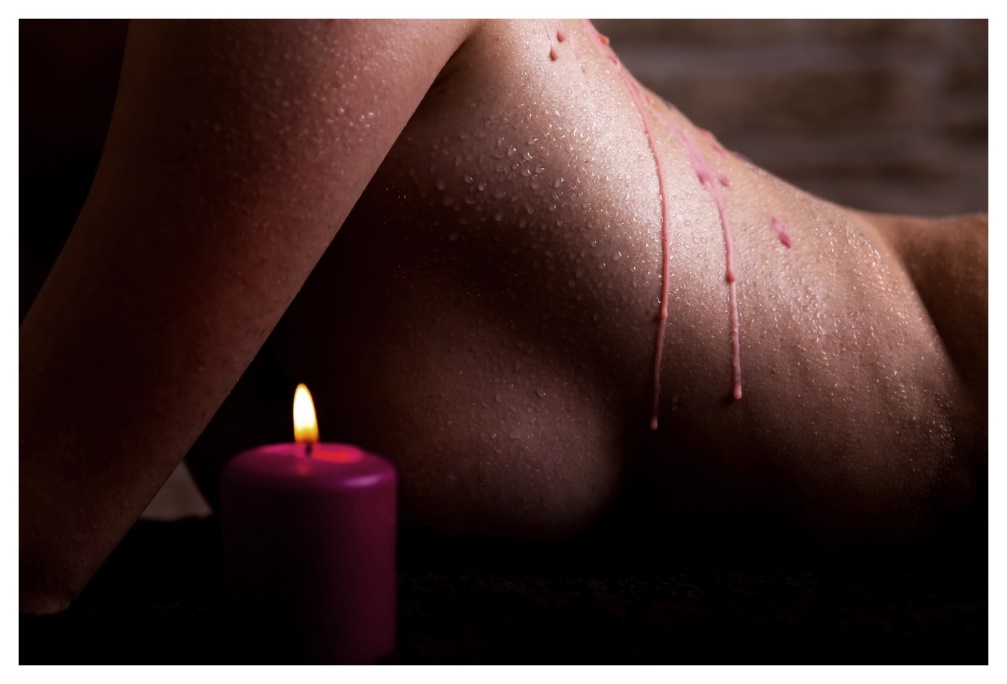
Wax. Melted wax is dripped onto the partner’s skin, creating a sensation of warmth and mild pain. Special candles with a low melting point are usually used to avoid burns.
Ice games. Ice is used to cool the skin, creating a contrasting sensation. Ice can be moved around the body, applied to specific points, or used in conjunction with other forms of stimulation.
Playing with hot and cold liquids. Using hot or cold liquids such as water, oil, or wine to create temperature sensations on the skin. Liquids can be applied using bottles, sponges, or directly from containers.
Metal objects. Metal objects such as forks, spoons, knives, or specialty BDSM toys are heated or cooled before use on the skin. Metal conducts heat and cold faster than other materials, creating a strong sensation.
Hot and cold compresses. The use of compresses to locally heat or cool certain parts of the body. This can be used to prepare the skin for other types of stimulation or as a stand-alone practice.
Electrostimulation It is the practice of using electrical currents to stimulate nerve endings and muscles, creating unique sensations ranging from mild tingling to more intense pain sensations. This practice can be both physically and psychologically energizing, and requires special attention to safety.
Equipment for these sessions should be purchased from sex shops and never use improvised tools:
Electrical stimulators are devices that generate electrical impulses. Popular models include TENS (transcutaneous electrical nerve stimulation), EMS (electrical muscle stimulation) and devices specifically designed for BDSM.
Electrodes are the contact points through which the electric current is transmitted to the body. Can be in the form of stickers, umbrellas, gloves or other forms.
Stimulation is divided into sensory and muscular, in the first case there are slight tingles, in the second – stronger pain sensations and muscle contractions.
Examples of electrostimulation practices:
Skin electrodes. Stickers or plates that attach to the skin and transmit electrical impulses. They can be placed on different parts of the body to create different sensations.
Electrogloves. Gloves with built-in electrodes that allow current to be transmitted through the fingers when you touch your partner. This creates a more interactive and controlled sensation.
Vaginal and anal electrodes. Specially designed electrodes for internal use. Can be inserted into the vagina or anus to create intense internal stimulation.
Electrodes and probes. Instruments that allow current to be transmitted when touched or applied to the skin. Can be used for more precise and targeted stimulation.
Sensory deprivation Presents a BDSM practice in which one partner restricts the sensory perception of the other partner. This can include blocking sight, hearing, touch, smell or even taste. The purpose of this practice is to heighten sensations, deepen trust between partners, and create intense psychological and physical experiences.
Types of sensory deprivation:
Visual deprivation. Masks, helmets and blindfolds are used. Visual deprivation increases the submissive’s sense of vulnerability and dependence on the dominant.
Auditory deprivation. Earplugs, noise-canceling headphones, or special helmets are used. This reduces or eliminates the ability to hear ambient sounds, heightening other senses and increasing feelings of isolation.
Tactile deprivation. Gloves, insulating materials, or other means of inhibiting tactile sensation are used. This practice limits the ability of the submissive to feel touch, which can make any touching by the dominant more intense.
Olfactory Deprivation. Special masks or nasal plugs are practiced. This can reduce or eliminate odors, creating a sense of isolation and enhancing other sensory perceptions.
Taste deprivation. Gags or other devices that restrict taste are used. This limits the ability to taste flavors, which may be part of a broader sensory deprivation.
Fetishism Fetishism in BDSM is a practice that emphasizes certain objects, materials, or body parts that cause intense sexual arousal. In the context of these practices, fetishism can be combined with various elements of power, submission, pain and pleasure. In a general sense, it is a sexual attraction to objects or body parts not directly related to genital sexuality.
Types of fetishism in BDSM:
Material fetishes. Many are aroused by items of clothing or accessories made of certain materials. Leather clothing, corsets, gloves, boots, latex costumes and masks are often used in BDSM scenes. Velvet, silk, and nylon are considered equally popular.
Body part fetish. Foot and shoe fetish (boots, high-heeled shoes) is one of the most common. Practices may include kissing, licking, or sniffing the feet and/or soles. This applies to hands as well, gloves can be an object of fetish, as well as the hands and fingers themselves.
Fetish for accessories and objects. Masks, hoods, and other objects that cover the face or head are often used to create anonymity and increase the sense of control, this enters as a major fetish in this category. Ropes, handcuffs, belts, slings, and other binding tools can be perceived as a fondness for tying, but sometimes they act specifically as a fetish object rather than foreplay for further action.
Fetish for certain actions. Among the most prominent action fetishes are spanking and stoolification. The first is a special love for flogging, spanking and other forms of physical punishment. The second is a fetish for humiliation, which can include its verbal manifestation, playing with dirt, etc.
Controlling orgasm This is a practice in which the dominant manages the sexual arousal and orgasm of the submissive, increasing control and submission in the relationship. This practice can include both delaying orgasm (jacking) and forcing it, or the frequency with which it occurs.
Types:
Denying orgasm.
Delayed orgasm: the dominant stimulates the submissive to a state close to orgasm, but prevents her from reaching orgasm by interrupting the stimulation. This process may be repeated several times.
Total orgasm prohibition: the submissive is prohibited from reaching orgasm for a certain period of time, which can cause both physical and emotional stress.
Forced orgasm.
Multiple orgasms: the dominant forces the submissive to orgasm repeatedly, often to the point of exhaustion or discomfort.
Orgasm on command: the submissive must reach orgasm only at the dominant’s command.
Control of orgasm frequency.
Scheduled orgasms: the dominant sets a schedule for orgasms, such as allowing orgasms only on certain days or after completing certain tasks.
Unexpected orgasms: the dominant decides when and where the submissive is allowed or not allowed to orgasm.
BDSM is chemistry!
Surprisingly to everyone, at times BDSM has positive effects on the body and psyche of both partners in moderation. In one of the issues of the Journal of Sexual Medicine was found a publication by some Belgian scientists. A kinky party (a party in which those present openly display their sexual desires) was created for the experiment. A total of 35 couples participated. The main condition was to donate blood: before attending the party, immediately after and 15 minutes later. The results showed the following:
Dominant – the number of endocannabinoids increases, which means the person is in a state of euphoria.
Submissive – finds themselves in a stressful situation, in connection with which the level of cortisol increases. Stress occurs against the background of intrigue of further actions. They do not know what pain he will experience and how much they will enjoy it. Cortisol indicates the release of adrenaline into the bloodstream. The subordinate feels a surge of strength. It also allows the body to show resistance to viral infections.
The participants shared that they were completely satisfied with the experience. They wanted to have a new experience and were not interested in the opinion of others. A trusting relationship developed between the partners.
Those who were members of a BDSM group:
Felt more confident in their relationship with their partner;
Had a sense of fulfillment in life;
Tried to act with integrity towards others;
Were more sociable;
Were more open to new experiences;
Had lower anxiety;
Were less dependent on public opinion.
At the same time, couples who have most often practiced BDSM practices in their personal lives are more likely to experience a particular mental and physical slump that the submissive experiences after a particularly hard BDSM session or a few hours/days after the events – the subdrop. It is similar to drug use, when after the euphoria comes a feeling of emotional and physical devastation. Symptoms of subdrop:
vasoconstriction;
hypoglycemia;
depression;
anxiety;
insomnia or nightmares;
difficulty concentrating;
bouts of aggression.
The body tries to return to the previous level of hormones that are produced during BDSM sessions and subdrop: endorphins and enkephalins (cause euphoria and have a “painkilling” effect), adrenaline (fear, increased heart rate, increased blood pressure), dopamine (pleasure hormone; produced in order to repeat what brought joy).
First, it’s worth remembering that this is temporary. In a relatively short time hormones will fall into place and malaise will turn into a stable background, but for the early disappearance of symptoms need to focus on the satisfaction of physiological, psychological and emotional needs, sometimes this requires a second partner. Secondly, the elixir against this is the prevention of this event. Here are a few recommendations that couples with many years of experience in this relationship have come up with:
Stay awake, get enough sleep;
Drink enough water, 2-3 liters;
Eat well and do not skip meals;
In case of chronic diseases, take medicines in time;
Clothes and shoes should be spacious and comfortable.
As of today, we are either in search of existing studies or will be conducting our own later. We are always open to your ideas on how to improve our articles. If you have any suggestions on how to make the material better, correct inaccuracies, or share facts and studies that are unknown to us, please feel free to let us know! Just fill out the form below the article.
If you are interested in the topic being discussed but can’t help with information, you can support our team by letting us do our own research! Below you will find a form for research donations.
Thank you for your engagement and support!
References: 1. “The New Topping Book” and “The New Bottoming Book” Dossie Easton and Janet Hardy. 2. “SM 101: A Realistic Introduction” Jay Wiseman. 3. “Playing Well With Others: Your Field Guide to Discovering, Exploring and Navigating the Kink, Leather and BDSM Communities” Lee Harrington and Molly Devin. 4. “The Loving Dominant” John Warren. 5. “The Ultimate Guide to Kink: BDSM, Role Play and the Erotic Edge” Tristan Taormino. 6. https://fetlife.com/ 7. https://www.kinkacademy.com/ 8. https://www.submissiveguide.com/
Written by: Li Olga
Translated by: Anastasia Zhurina
Reading time: 10 min
Shocking practices of the ancient Rus: ritual orgies at funerals
“To know your present and predict your future you must know your past.”
V.G. Belinsky
“Funeral orgies”. Personally, I have never heard of such strange and mystic term. Turns out ancient Ruses performed just that at death ceremonies. Though this might sound shocking, these rituals had a place in that nation’s culture. Such rituals were no mere farewell to the dead but a performance carrying special and deeply symbolic meaning.
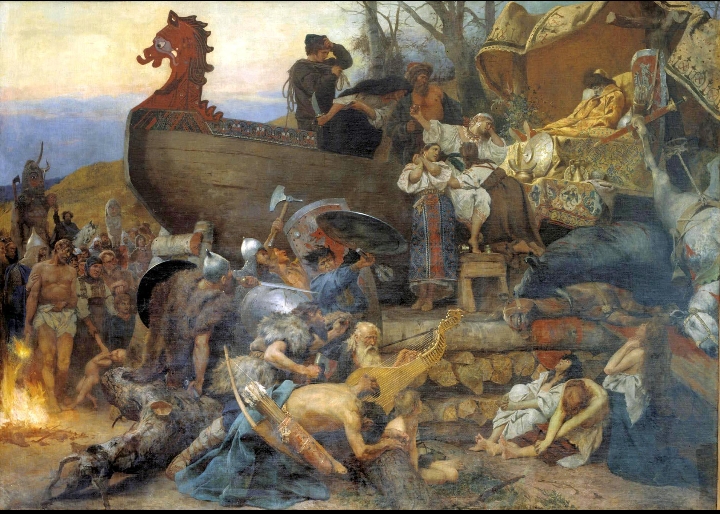
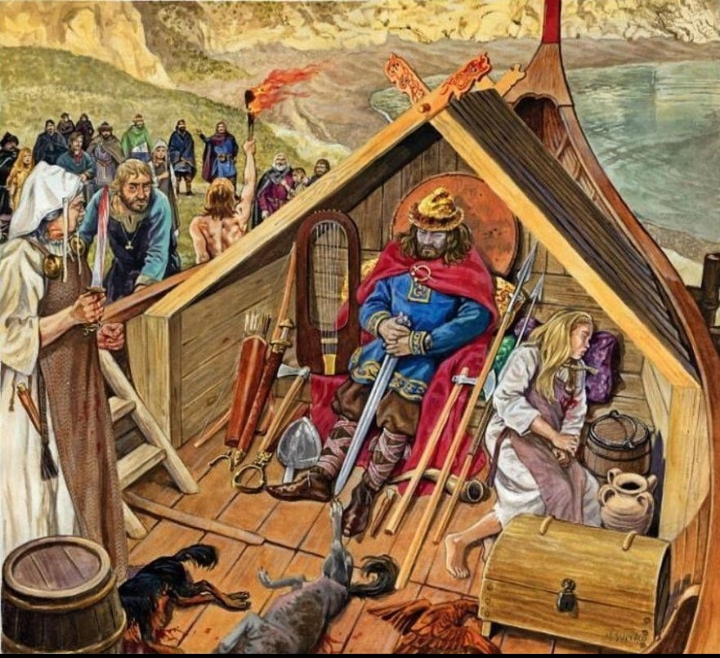
Chronicles of the past contain vivid descriptions of various practices. 10th century Arabic traveler Ahmad ibn Fadlan describes a burial that included a burning ship ritual, as well as young women voluntarily following the dead into the underworld, and orgies. The traveler’s writings have become a valuable source for scholars studying the history of ancient practices and customs.
In this article, I provide a quote from the ibn Fadlan’ chronicle ‘Mission to the Volga’ that describes a burial of a noble ancient Rus man. Now, there is a lot to read, and while I could have summarized it all for you, trust me it’s worth reading yourself. You’ll be so shocked that by the end of the quote you’ll be left speechless.
Ahmad ibn Fadlan
Quote:
Funeral of a noble
When a great man dies, the members of his family say to his slave girls and young slave boys:
‘Which of you will die with him?’
One of them replies:
‘I will.’
Once they have spoken, it is irreversible and there is no turning back. If they wanted to change their mind, they would not be allowed to. Usually, it is the slave girls who offer to die.
When the man whom I mentioned above died, they said to his slave girls:
‘Who will die with him?’
One of them answered:
‘I will.’
Then they appointed two young slave girls to watch over her and follow her everywhere she went, sometimes even washing her feet with their own hands.
Everyone busies himself about the dead man, cutting out clothes for him and preparing everything that he will need. Meanwhile, the slave girl spends each day drinking and singing, happily and joyfully.
When the day came that the man was to be burned and the girl with him, I went to the river where his boat was anchored. I saw that they had drawn his boat up on to the shore and that four posts of khadank or other wood had been driven into the ground and round these posts a framework of wood had been erected. Next, they drew up the boat until it rested on this wooden construction.
Then they came forward, coming and going, pronouncing [words that I did not understand, while the man was still in his grave, not yet taken out].
The ‘Angel of Death’
Then they brought a bed and placed it on [the boat and covered it with a mattress] and cushions of Byzantine silk brocade. Then came [an old woman whom they call] the ‘Angel of Death’ and she spread the bed with coverings we have just mentioned. She is in charge of sewing and arranging all these things, and it is she who kills the slave girls. I saw that she was a witch, thick-bodied and sinister.
When they came to the tomb of the dead man, they removed the earth from on top of the wood, and then the wood itself and they took out the dead man, wrapped in the garment in which he died. I saw that he had turned black because of the coldness of the country. They had put nabidh (wine or other drink fermented for only one day, therefore licit to Muslims – Translator’s note) in the tomb with him, and fruit and a drum. They took all this out. The dead man did not smell bad and nothing about him had changed except his colour. They dressed him in trousers, socks, boots, a tunic and a brocade caftan with gold buttons. On his head, they placed a brocade cap covered with sable. Then they bore him into the pavilion on the boat and sat him on the mattress, supported by cushions. Then they brought nabidh, fruit and basil which they placed near him. Next they carried in bread, meat and onions which they laid before him.
Sacrificial animals
After that, they brought in a dog, which they cut in two and threw into the boat. Then they placed his weapons beside him. Next they took two horses and made them run until they were in lather, before hacking them to pieces with swords and throwing their flesh on to the boat. Then they brought two cows, which they also cut into pieces and threw them on to the boat. Finally they brought a cock and a hen, killed them and threw them on to the boat as well.
The Chronicle of Ahmad ibn Fadlan
The slave girl has sex with those present
Meanwhile, the slave girl who wanted to be killed came and went, entering in turn each of the pavilions that had been built, and the master of each pavilion had intercourse with her, saying:
‘Tell your master that I only did this for your love of him.’
The slave girl gazes on Paradise
On Friday, when the time had come for the evening prayer, they led the slave girl towards something which they had constructed and which looked like the frame of a door. She placed her feet on the palms of the hands of the men, until she could look over this frame. She said some words and they let her down. They raised her a second time and she did as she had the first and then they set her down again. And a third time and she did as she done the other two. Then they brought her a chicken. She cut off its head and tossed it away. Then they took the chicken and threw it on to the boat.
I asked the interpreter what she had been doing. He replied:
‘The first time they lifted her up, she said:
[“‘There I see my father and my mother.”]
‘The second time, she said:
“‘There [I see] all my dead relatives [sitting].”
‘And the third time she said:
‘“There [I see my master sitting in] Paradise and [Paradise is green and beautiful.] There are men with him and [young people, and he is calling me.] Take [me to him.’” They went off with her] towards the boat. She took off the two bracelets that she was wearing and gave them both to the old woman who is known as the [Angel of Death – she] who was to kill her. Then she stripped off her two anklets and gave them [to the two young girls who served her. They were the daughters] of the woman called the Angel of Death. Then the men lifted her on to the boat, but did not let her enter [the pavilion].
Next, men came with shields and staves. They handed the girl a cup of nabidh. She sang a song over it and drank. The interpreter translated what she was saying and explained that she was bidding all her female companions farewell. Then they gave her another cup. She took it and continued singing for a long time, while the old woman encouraged her to drink and then urged her to enter the pavilion and join her master.
I saw that the girl did not know what she was doing. She wanted to enter the pavilion, but she put [her head] between it and the boat. Then the old woman seized her head, made her enter the pavilion and went in with her. The men began to bang on their shields with staves, to drown her cries, so that the other slave girls [would not be frightened] and try to avoid dying with their masters. Next, six men entered the pavilion and [lay with] the girl, one after another, after which they laid her beside her master. Two seized her feet and two others her hands. The old woman called the Angel of Death came and put a cord round her neck in such a way that the two ends went in opposite directions. She gave the ends to two of the men, so they could pull on them. Then she herself approached the girl holding in her hand a daggerwith a broad blade and [plunged it again and again between the girl’s ribs], 84 while the two men strangled her with the cord until she was dead.
The burning of the boat
Next, [the closest male relative of the dead man] came forward and [took a piece of wood] which he lit at a fire. He then walked backwards towards the boat, his face turned [towards the people] who were there, one hand holding the piece of flaming wood, the other covering his anus, for he was naked. Thus he set fire to the wood that had been set ready under the boat, [after they had placed the slave girl beside her master.] Then people came with wood and logs to burn, each holding a piece of a wood alight at one end, which they threw on to the wood. The fire enveloped the wood, [then the boat, then the tent,] the man, the girl and all that there was on the boat. [A violent and frightening] wind began [to blow, the flames grew in strength] and the heat of the fire intensified.
What are the views on orgies today?
Now let’s return to present times and think why ancient Ruses treated orgies with such respect that the nation included them into their burial practices. For those people, orgies were clearly something special, carrying sacral and mystical meaning.
Modern society despises orgies. On one hand, despite is easy to explain since orgies are perceived as debauchery. On the other hand, why so? Sexual desires are an important part of a human nature. Ancient Ruses understood that well and did not suppress the desires since the orgy process pleased everyone involved, making it something special.
Burial orgies described by ibn Fadlan support the fact that understanding and exploring sex was important for society all the way from ancient times, especially outside of strict limitations and imposed dogmas.
In present times, the vast majority of people is unable to accept their own sexual fantasies due to the heavy judgement, external and internal. I bet some of you would say that anyone else can like orgies but not me. If you happened to live long ago, you’d share the same opinions as those around you. This shows that over the course of time, morality has changed under the influence of cultural, religious, and other principles. The view on orgies was reversed, and they became seen as something unacceptable, shameful, and amoral. But human nature does not change. Should orgies be perceived not as negatively as they are now, you would likely share the same views. After all there is no human indifferent to sex, and what is the most exciting part of it? Debauchery. There is no shame is sexual desires.
What is more important: orgies or real problems of the modern society?
There are societal issues that require more attention than orgies. To list a few: drugs and addiction, child abandonment, human trafficking, poverty, hunger, domestic violence, crime, terrorism, corruption, discrimination, environmental pollution, healthcare, chemical additives and pesticides. What do you think the society perceives worse – all things listed, or orgies? For sure, orgies.
Let’s go by example. One produces a product containing chemical additives proven dangerous to human health, but the taste is universally liked. People say, good job on the product and your business. Another works hard and earns 6 figures, but has never seen or wished to known their own child. People will praise the hard work and dedication. One more is settled comfortably in high positions and practices bribes, but acts as an ideal parent and partner. Finally, there is one that does orgies. The latter will end up being judged the most, despite not hurting anyone but simply satisfying their own sexual desires without prejudice and self-delusion.
Conclusion
It might be time to reconsider our views on many problems, and think what really deserves the highest attention and judgement. If orgies were a big part of our cultures in the past, maybe they are worth being re-evaluated now as not the worst possible thing. No, I am not saying this is a wonderful activity and we all should engage in it immediately. What I want is for the society to recognise human sexual desires and treat them fairly avoiding placing judgement. Fantasies are simply fantasies, serving our desires and giving us pleasure without necessarily being brought to life.
Q&A
Did the ancient Ruses really practice orgies at burials?
Yes, they did. Arabic traveller Ahmad ibn Fadlan witnessed such burial, and described it in many details in his chronicle. This material served as a valuable source of knowledge about the ancient world.
Did young girls participate in the burial orgies voluntarily?
Yes. Young girls would voluntarily express the desire to follow the man in the other world by dying by his side. They also knew other men would lay with them. For such women, this was an act of loyalty and submission. In some cultures, such customs were perceived as demonstration of woman’s honour and loyalty to her man beyond death.
Were orgies perceived as shameful acts by ancient Rus?
No. Orgies were not considered shameful by ancient Ruses. Instead, they were seen as sacral and mystical, and thus were practiced at burials.
Are orgies looked down upon in present times?
Yes, unlike old times, our contemporary view on orgies is full of despise. Mostly people treat them as something amoral. They also often draw a lot more attention than some other, a lot more important problems that need more recognition by the public.
Should we judge those who practice orgies?
Intimate life and even the wildest sexual fantasies should not be judged. The world experiences much more disturbing and paramount problems that can be resolved if we shift our attention to them.
If you happen to judge orgies, think about judging other problems of the modern world 20 times stronger as they are 20 times more important. That would be fair. If you criticize orgies because you are in fact drawn to them, stop wasting your energy on this. Instead, channel this energy into something that deserves it so much more.
Dear Readers!
We are always open to your ideals on improving our articles. Should you have any suggestions on the material, as well as a notice of any mistakes, or willingness to share more information on the topic, please feel free to contact us! For that, fill in the form following the article.
If the discussed topic seems interesting, but you do not have any information or corrections that you could contribute, you can financially support our team in our investigations. Under this text you will find a form for donations directed towards further investigations.
Thank you for your engagement and support!
Sources:
Ibn Fadlan And The Land Of Darkness, Arab Travellers In The Far North. Penguin Classics. Translated with an introduction by Paul Lunde and Caroline Stone. Penguin Books, 2012, Pages 66-68.
Ibn Fadlan’s Journey to Russia: A Tenth‐Century Traveler from Baghdad to the Volga River. Translated with commentary by Richard N. Frye. Princeton: Markus Wiener Publishers, 2005.
Оргии и ритуалы в у древних Шумер: Священные обряды и плотские утехи
Древнее Междуречье, находящееся между реками Тигр и Евфрат, было местом, где религия и повседневная жизнь были тесно переплетены. Проституция и оргии занимали в этом обществе важное место и играли не только роль физического удовлетворения, но и были частью сложных религиозных ритуалов и обрядов, через которые люди стремились к единению с божествами и получению их благословений.
Религиозные оргии: Связь с богиней Инанной и ритуалы плодородия
Одним из центральных элементов религиозной жизни в Междуречье была богиня Инанна (в более позднее время известная как Иштар) — божество любви, плодородия, секса и войны. Инанна играла ключевую роль в религиозных ритуалах, включающих оргии и сексуальные акты, которые символизировали ее силу и влияние.
Самым известным ритуалом была священная свадьба, в ходе которой царь города-государства символически вступал в брак с богиней Инанной через ритуальный секс с верховной жрицей. Этот акт считался залогом процветания и плодородия для всего царства. Царь, представлявший бога Думузи (Таммуза), мужское начало, соединялся с жрицей, представляющей Инанну, чтобы обеспечить урожай, защиту от врагов и благополучие народа. Этот ритуал также считался актом обновления власти царя, подтверждающим его связь с божественным началом.
Оргии в честь Инанны проводились не только в храмах, но и на открытых пространствах во время праздников, когда мужчины и женщины предавались плотским утехам, посвящая их богине. В эти моменты временно стирались социальные барьеры: свободные и рабы, богатые и бедные, жрецы и простолюдины могли участвовать в этих обрядах наравне. Важность таких оргий в религиозных ритуалах подчеркивает, насколько сильной была связь между сексуальностью и духовностью в древнем Междуречье.
Оргии в тавернах и их роль в повседневной жизни
Таверны были еще одним местом, где устраивались оргии. В древнем Междуречье таверны, как правило, содержались женщинами и были местами, где проституция и сексуальные оргии были обычным делом. Эти заведения были не только местами для пьянства, но и центрами сексуальных развлечений. Оргии в тавернах зачастую происходили спонтанно, когда посетители под воздействием алкоголя предавались беспорядочному сексу.
Связь таверн с богиней Инанной и практиками оргий отражена в шумерских текстах. В одном из гимнов богиня говорит: “Когда я сижу у ворот таверны, я — проститутка, знакомая с пенисом; друг мужчины, подруга женщины”. Эти строки не только описывают поведение богини, но и показывают, как глубоко проникли в жизнь людей такие оргии, став частью их религиозных и культурных традиций.
Изображения, найденные на глиняных табличках, часто изображают сцены, где женщины, сидя в тавернах, занимаются сексом, одновременно попивая пиво через трубочку. Эти изображения, согласно исследованиям, символизируют связь между алкоголем и сексуальной активностью, которая была частью повседневной жизни в Междуречье. Оргии в тавернах и других общественных местах отражали общественное принятие и одобрение таких практик, считавшихся не просто развлечением, но и важной частью религиозной жизни.
Оргии в честь Иштар: Переход от храмовой проституции к массовым праздникам
Постепенно культ богини Иштар распространился и на более массовые праздники, где оргии стали играть ключевую роль. Например, на фестивалях в честь Иштар, которые проходили в Вавилоне, участники не только приносили жертвы, но и участвовали в массовых сексуальных актах, символизирующих плодородие и силу богини.
Древнегреческий историк Геродот описывает обычай, связанный с храмом Иштар в Вавилоне, где каждая женщина должна была раз в жизни предаться мужчине в святилище богини. Хотя некоторые исследователи сомневаются в точности этого описания, оно все же отражает представление о том, что сексуальность и оргии играли центральную роль в религиозных практиках, связанных с Иштар.
Секс в честь Иштар не ограничивался ритуалами для избранных, таких как священная свадьба царя и жрицы. В определенные дни года, особенно во время праздников весеннего равноденствия, когда отмечали возрождение природы, храмы Иштар и прилегающие к ним территории превращались в центры празднеств, включавших в себя оргии, символизировавшие пробуждение жизненных сил. Эти праздники становились массовыми событиями, на которые стекались жители окрестных городов и деревень.
Заключение: Оргии как неотъемлемая часть жизни в Междуречье
Оргии и проституция в древнем Междуречье были не просто допустимыми, но и активно поощряемыми как в религиозной, так и в социальной сферах. Эти практики играли важную роль в поддержании связи между людьми и божествами, а также служили способом укрепления социальной сплоченности. Будь то священные ритуалы в храмах, массовые праздники или обычные ночи в тавернах, оргии были неотъемлемой частью жизни древних шумеров, вавилонян и ассирийцев, отражая их мировоззрение, в котором физическое и духовное, земное и божественное были тесно переплетены.
This website uses cookies and similar technologies to ensure proper functioning of the site, improve user experience, and analyze traffic. By continuing to use this website, you consent to the use of cookies in accordance with our Privacy Policy. You may disable cookies in your browser setting at any time.